What Are the Top Power Smart Solar Systems in 2026?
Choosing a solar system in 2026 is less about buying the biggest panel array and more about matching equipment to a home’s daily rhythm. Power Smart Solar systems bring together panels, an inverter, monitoring tools, and, in many setups, battery storage. A family that runs air conditioning after sunset may value usable battery capacity more than peak panel output. Small details matter. Check how the system handles cloudy afternoons, brief grid outages, and high-demand appliances such as heat pumps. A polished app is useful, but it cannot compensate for poor installation or unclear warranty terms.
This guide examines leading system types and brands through practical criteria: conversion efficiency, battery performance, expandability, monitoring, service support, and total installed cost. Product availability and specifications can change by region, so any 2026 shortlist should be verified against current manufacturer documents and local installer quotes. Look beyond headline savings. Compare the equipment warranty with the workmanship warranty, ask who handles repairs, and confirm whether batteries can support essential circuits or an entire home. No single system fits every roof. Shading, roof direction, utility rules, and household usage can shift the best choice. Some comparisons remain imperfect because prices and service quality are not equally transparent. Still, careful checks make the options easier to judge.
What Defines a Power Smart Solar System in 2026?
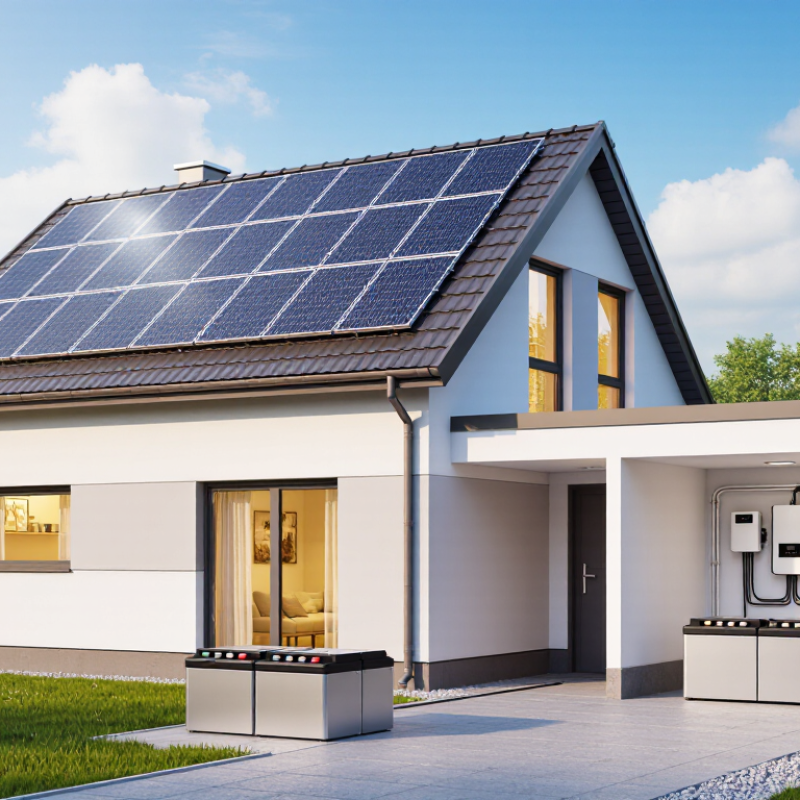
In 2026, a power smart solar system does more than turn sunlight into electricity. It coordinates solar panels, a compatible inverter, optional battery storage, and household energy use. A monitoring system shows production and consumption, often in near real time. That visibility helps homeowners spot unusual dips, such as a shaded panel or a device drawing power overnight.
The defining feature is useful coordination, not simply a large battery or a clever app. Controls can schedule flexible loads, such as water heating or electric vehicle charging, when solar power is plentiful. When clouds pass, the system may draw from a battery or the grid, depending on its settings and the home’s needs. Small details matter. Backup power, for example, may cover selected circuits rather than every outlet, so check which appliances stay on during an outage.
Good systems also provide clear performance data and alerts, while allowing settings to be reviewed without guesswork. Yet forecasts are estimates; weather, roof shade, and seasonal demand can change results. A realistic design starts with electricity bills, roof conditions, and priorities like backup or lower evening grid use. The imperfect part is that “smart” does not mean maintenance-free. Homeowners still need to check equipment, understand alerts, and confirm that promised features match the installed system.
How Solar Panels, Inverters, Batteries, and Controls Work Together
In a smart solar system, panels produce direct-current electricity, while an inverter converts it into alternating current for household circuits. Controls track production and demand, directing surplus power to a battery or the grid. When clouds pass over the roof, that balance can change within minutes. A well-configured system responds automatically, but its performance depends on panel orientation, local weather, and household habits. The International Energy Agency’s Renewables 2024 report projects about 5,500 gigawatts of new renewable capacity by 2030, with solar expected to provide nearly 80% of the increase. That growth makes thoughtful system integration more important, not less.
A battery adds flexibility, but it does not store every kilowatt-hour produced. The U.S. National Renewable Energy Laboratory’s 2024 Annual Technology Baseline uses 85% round-trip efficiency as a benchmark for utility-scale lithium-ion storage. Home systems vary, so treat that figure as context, not a promise. Controls can prioritize immediate household use, battery charging, or exporting power, according to settings and utility rules. Still, dashboards can mislead. A high production number says little about evening coverage unless storage and consumption are considered together. In practice, reviewing a day’s usage alongside the system’s settings can reveal whether the battery is charging too early or reserving too much capacity. Real life varies.
Which Performance Factors Matter When Comparing Solar Systems?
What Are the Top Power Smart Solar Systems in 2026?
When comparing solar systems, look beyond their advertised peak output. Check expected annual generation for your roof’s direction, local weather, and seasonal shade. A system producing less power on paper may perform better on a partly shaded roof. Ask for estimates in kilowatt-hours, not just panel wattage. Small details matter.
Compare inverter efficiency, temperature performance, and warranty terms. For battery systems, check usable capacity and round-trip efficiency: these show how much stored energy you can actually use. Monitoring should display production and household use clearly, ideally with daily data. A polished app cannot fix poor system sizing, though.
Tips: Request estimates using your actual roof layout. Ask how shade from a nearby tree was modeled. Compare battery capacity at usable output, not just the headline figure.
Also consider degradation rates and service coverage, but read the conditions carefully. A long warranty may exclude labor or certain components. Request written assumptions about energy use, export limits, and future battery expansion. Even a careful comparison can miss changing household habits; a new electric appliance may alter demand. There is no perfect forecast. Reliable choices come from transparent estimates, sound installation planning, and performance figures tied to your specific home.
Leading Power Smart Solar System Types and Their Key Strengths
In 2026, a “power smart” solar system is less about panels alone and more about how electricity is managed. Grid-connected systems use smart inverters to match household demand with solar production and export excess power. They suit homes with reliable grid access and modest evening use. The trade-off is simple: without batteries, a grid outage may still leave the home without power. That matters.
Hybrid systems pair solar panels with batteries and software that shifts energy use across the day. They can store midday surplus for evening cooking, heating, or charging, while providing backup when configured for it. The International Energy Agency’s Batteries and Secure Energy Transitions report found that battery storage additions in the power sector rose 130% in 2023, reaching about 42 GW. That growth signals expanding storage capability, not a guarantee of low costs or dependable backup in every home. Battery sizing needs care.
Off-grid systems combine solar, storage, and often a backup generator for sites with little or no grid access. They offer independence, but require careful planning for cloudy weeks and seasonal demand. IRENA’s Renewable Capacity Statistics 2024 reports that global solar capacity reached about 1,419 GW in 2023, with 346 GW added that year. Scale is impressive; household performance still depends on roof space, local weather, and load patterns. Smart controls can help, but they cannot fix an undersized system.
What Are the Top Power Smart Solar Systems in 2026?
Leading system types and their key strengths, compared across common use cases.
Ratings are qualitative comparisons based on system design, not measured performance or guaranteed outcomes. Actual results depend on location, system size, tariffs, usage, and equipment.
How to Match a Solar System to Your Home and Energy Needs
Matching a solar system to a home starts with the electric bill, not the roof’s maximum panel count. The U.S. Energy Information Administration reports average household electricity use of 10,791 kilowatt-hours in 2022. Your own usage may differ sharply, especially with electric heating, air conditioning, or an electric vehicle. Check bills across all seasons. One mild month can mislead.
Roof direction, shade, and usable area shape production. Berkeley Lab’s Tracking the Sun 2024 report puts the median residential system size at about 7.4 kilowatts for installations in 2023. That is a reference point, not a prescription. A shaded roof may need a smaller system, while daytime-heavy use can make direct solar power more valuable. NREL’s PVWatts calculator can estimate local output using location and system details. Still, estimates cannot capture every tree, cloud, or future change in household use.
Smart controls matter when your biggest loads run after sunset. Compare the added cost of a battery with your evening demand and outage priorities. A battery sized for a refrigerator and a few lights differs from one intended to run heating equipment. Small details matter. Ask installers to show monthly production estimates, assumptions about shade, and expected battery performance. The least comfortable part is that forecasts are not guarantees; even a polished estimate can miss how your habits change.