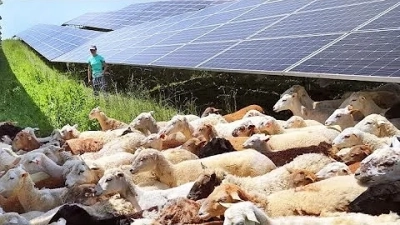
How to Choose the Right Solar Power System?
Choosing the right Solar Power system begins with your daily energy story, not a glossy panel brochure. A small home with efficient appliances needs a different design from a busy household with air conditioning, electric heating, or an electric vehicle. During a practical assessment, record your electricity use across several months. Note when consumption rises. A refrigerator running overnight matters. So does a water heater used before sunrise. These details shape system size, battery capacity, and expected savings.
A qualified installer should inspect your roof, electrical panel, shading, and local weather conditions. Ask for a written estimate showing panel output, inverter performance, battery storage, installation costs, warranties, and maintenance expectations. Independent certifications and verified customer reviews can reveal more than confident sales language. Your roof may look sunny at noon, yet nearby trees could reduce winter production. The cheapest quote may also omit essential electrical upgrades.
Think beyond maximum output. Consider backup needs, future energy use, roof repairs, and available space. A battery can improve nighttime energy use, but it also adds cost and replacement considerations. Performance estimates are never perfect. Weather changes. Household habits change too. That is worth admitting.
This guide explains how to compare system types, calculate realistic capacity, and evaluate installer reliability. It also highlights common planning mistakes, because even careful homeowners can overlook seasonal demand or warranty conditions. Good Solar Power decisions balance technical evidence, practical experience, and long-term confidence. Take your time. Ask better questions. Your final system should fit your home, budget, and expectations rather than simply look impressive on paper.

Define Your Household Energy Needs and Solar Goals
Before choosing a solar power system, measure how your household actually uses electricity. Review at least twelve months of utility bills, not just one recent statement. Note seasonal changes, such as summer cooling or winter heating. A small energy diary can reveal hidden demand. Record when major appliances operate, including water heaters, ovens, pumps, and electric vehicles. A winter evening may show a very different pattern from a sunny afternoon.
Define your solar goal in practical terms. You may want lower monthly bills, backup power, or greater energy independence. These goals require different system designs. If backup power matters, identify essential circuits, such as refrigeration, lighting, internet equipment, and medical devices. A battery may support those loads, but not every appliance at the same time. Be realistic about your budget and roof space. More panels do not automatically solve poor energy planning.
A qualified solar professional should compare your usage data with roof orientation, shading, local weather, and electrical limits. Ask for clear production estimates and the assumptions behind them. Check local installation codes and utility connection rules before signing anything. An early estimate can look precise and still miss future appliance purchases. That is a useful warning. Recheck your goals if your household may add heating, cooling, or transportation loads within several years.
Assess Your Property’s Solar Potential and Available Space
Choosing a solar power system starts with your property, not a sales estimate. Walk around your roof at different times. Note shade from trees, chimneys, neighboring buildings, and water tanks. A roof that looks sunny at noon may lose afternoon production. Use a solar path tool or request an on-site assessment from a qualified installer. Ask for measured shading data, not broad promises. Roof direction, pitch, age, and condition also affect system design. If replacement is due soon, repair it before installing panels. This costs more initially, but avoids removing them later.
Tips: Sketch your roof and mark shaded areas. Measure usable surfaces, not total roof size. Leave space around edges, vents, and access routes. Keep a clear service path. Measure twice. Shade changes.
Property space is more than roof area. Ground-mounted arrays need stable soil, good drainage, safe access, and proper legal clearance. Confirm local permitting rules and structural requirements before ordering equipment. An independent electrician or qualified solar professional can verify wiring, load capacity, and emergency shutoffs. Request a written design showing panel count, estimated annual output, assumptions, and seasonal variation. Estimates are not guarantees. Clouds, dust, snow, and future shading can reduce performance. I have learned to question perfect-looking projections, especially when they ignore a small vent shadow or growing tree.
Compare Solar System Types, Sizes, and Essential Components
How to Choose the Right Solar Power System?
Choosing a solar system starts with your energy habits, not just your roof size. A grid-tied system suits homes with reliable utility service and allows excess electricity to flow back to the grid. An off-grid system needs batteries and backup planning because cloudy days can last longer than expected. Hybrid systems combine grid access, solar generation, and battery storage. They offer flexibility but usually require more equipment and careful settings. Think beyond panels.
System size should match measured electricity use, available sunlight, roof direction, and local weather. Review twelve months of electricity bills before estimating capacity. A home using 20 kilowatt-hours daily may need roughly 5 to 7 kilowatts of panels, depending on solar conditions and system losses. Peak loads matter too. Pumps, ovens, and air conditioners can briefly demand substantial power. Oversizing the array may increase cost without solving nighttime usage.
Essential components include photovoltaic panels, an inverter, mounting hardware, wiring, disconnects, and protective devices. Batteries add stored energy, but their usable capacity differs from their advertised capacity. Check round-trip efficiency, operating temperature, warranty terms, and replacement access.
Professional design should include shading analysis, roof inspection, grounding, and electrical-code compliance. A common mistake is focusing on panel wattage while ignoring inverter limits. Real installations are rarely perfect. Dust, heat, aging, and unexpected consumption can reduce output, so leave a sensible performance margin.
Evaluate Costs, Incentives, Warranties, and Installation Options
Choosing a solar power system starts with the full installed cost, not the panel price. Berkeley Lab’s Tracking the Sun report recorded a median residential solar price of about $3.60 per watt in 2023.
Compare at least three written quotes. Check labor, permits, electrical upgrades, batteries, and roof repairs. A low quote may simply exclude necessary work.
Incentives can change the payback period substantially. Confirm eligibility through official tax authorities and local energy offices before signing.
Rules, income limits, and interconnection policies vary by location. Ask for an itemized estimate of annual production, degradation, and expected savings.
A warranty needs careful reading. Separate coverage for panels, inverters, batteries, workmanship, and roof penetrations.
The International Energy Agency reports that solar PV deployment reached nearly 375 gigawatts globally in 2023, but equipment quality still differs across projects.
Installation experience matters. Request evidence of licensing, insurance, safety procedures, and completed local projects. I would not trust impressive production promises without shade analysis.
A roof can look sunny at noon and lose output by late afternoon.
Battery storage also deserves restraint. It may improve resilience, but its added cost can weaken financial returns.
My own practical test would be simple: ask the installer to explain every assumption in plain language. Hesitation is useful information.
Select a Qualified Installer and Plan for Long-Term Performance
Choosing a solar power system starts with installer quality, not panel wattage. The IEA PVPS Trends 2024 report recorded 456 GW of new solar capacity worldwide in 2023. Rapid growth increases the value of careful commissioning. Request licenses, insurance, electrical credentials, and three local references. Ask to inspect a completed array during daylight. Check cable routing, sealed roof penetrations, labeled isolators, and accessible monitoring equipment. Small details matter.
Compare written proposals, not just prices. A qualified installer should explain shading, roof structure, tilt, local weather, estimated production, and battery cycling. NREL’s 2024 Annual Technology Baseline uses 0.5% annual degradation as a representative assumption for crystalline-silicon modules. After 25 years, that equals roughly 88% of initial output, before other losses. Ask how the estimate handles dust, snow, inverter downtime, and future tree growth. Perfect sunshine is not a planning method. Weather is not obedient.
Long-term performance also needs a service plan. Require clear workmanship terms, equipment warranties, response times, monitoring access, and documented commissioning tests. IRENA’s Renewable Power Generation Costs in 2023 reported a global weighted-average utility-scale solar cost of about $0.044 per kilowatt-hour. That benchmark does not guarantee household savings. A low quote may omit roof repairs or inspection fees. That is uncomfortable, but useful. Leave room for maintenance, because ignoring small faults can turn a strong first-year result into a disappointing decade.
How to Choose the Right Solar Power System? — Select a Qualified Installer and Plan for Long-Term Performance
| Evaluation Dimension | What to Check | Practical Benchmark or Calculation | Why It Matters Long Term |
|---|---|---|---|
| Annual Electricity Use | Review at least 12 months of electricity bills and identify seasonal demand. | Annual consumption = sum of monthly kWh. Size the system against actual usage rather than floor area alone. | A usage-based design reduces oversizing, undersizing, and unexpected electricity costs. |
| Solar Resource and Site Shading | Check roof orientation, pitch, nearby trees, buildings, chimneys, and future shading. | Use a site-specific irradiance and shade assessment; avoid relying only on a standard regional average. | Even partial shading can reduce output and may affect multiple modules connected in the same string. |
| System Capacity | Compare the proposed DC module capacity with the inverter’s AC rating and expected local production. | Ask for estimated annual kWh, monthly production, design assumptions, and expected performance ratio. | Transparent estimates make it easier to verify performance after installation and identify faults early. |
| Module Performance | Review rated power, efficiency, temperature coefficient, mechanical load rating, and product warranty. | Higher efficiency is useful where roof space is limited; temperature coefficient indicates how output changes in heat. | Modules gradually lose output over time, so the degradation terms should be clear and documented. |
| Inverter Selection | Check inverter efficiency, maximum input voltage, monitoring functions, location, ventilation, and replacement access. | Confirm that the inverter is compatible with the module layout, electrical service, and local grid requirements. | The inverter is a critical service component; accessible installation can reduce future repair time and cost. |
| Battery Storage Need | Determine whether the priority is evening energy use, backup power, demand reduction, or higher self-consumption. | Usable battery energy should be compared with critical-load demand and the required backup duration. | Battery systems add capital cost and maintenance considerations, so they should be matched to a clear use case. |
| Roof Condition and Structural Capacity | Inspect roof age, waterproofing, framing, attachment points, and local wind or snow requirements. | Complete necessary roof repairs or replacement before mounting the solar array. | Removing and reinstalling panels later can add significant labor and create avoidable weatherproofing risks. |
| Installer Qualifications | Verify current electrical and construction licenses, relevant training, insurance, and experience with similar projects. | Request license numbers, proof of insurance, references, and examples of completed installations. | Qualified installation supports electrical safety, code compliance, reliable commissioning, and warranty claims. |
| Permits and Grid Interconnection | Confirm who handles building permits, electrical inspections, utility approval, and final permission to operate. | The contract should identify each approval, responsible party, expected milestone, and any related fee. | A system should not be energized until it meets applicable safety and utility requirements. |
| Safety and Installation Quality | Review grounding, overcurrent protection, cable management, roof penetrations, disconnects, labels, and equipment clearances. | Require an electrical inspection, commissioning report, as-built diagram, and operating instructions. | Good workmanship reduces fire, shock, water-intrusion, and equipment-failure risks. |
| Warranty Coverage | Separate product, performance, inverter, battery, roof-work, and workmanship warranties. | Confirm coverage period, exclusions, labor responsibility, claim process, and whether the warranty transfers to a future owner. | Different warranties may be administered by different parties, so written responsibilities are essential. |
| Monitoring and Maintenance | Confirm access to production data, fault alerts, software support, cleaning guidance, and inspection procedures. | Compare actual monthly production with the installer’s estimate after allowing for weather and normal system losses. | Monitoring helps detect inverter faults, communication failures, unusual shading, and underperformance. |
| Total Project Cost | Include equipment, labor, permits, structural work, electrical upgrades, monitoring, maintenance, financing, and taxes. | Compare the total installed price and expected annual output, not only the quoted price per watt. | A lower initial price may not represent better value if it excludes essential work or provides weak support. |
| Contract Clarity | Check equipment specifications, project scope, payment schedule, completion date, change-order terms, and cancellation rights. | Do not accept estimates that omit model-independent technical specifications, exclusions, or service obligations. | A detailed contract limits disputes and preserves a clear record for future maintenance or property sale. |
| Long-Term Performance Plan | Set an annual review date for production, warranties, roof condition, equipment alerts, and household electricity demand. | Keep permits, invoices, warranty documents, single-line diagrams, monitoring credentials, and commissioning records together. | Documented maintenance and performance tracking extend useful service life and support timely corrective action. |
Related Posts
-
Global Market Insights: The Future of Light Solar Solutions in 2025
-

Advancements in Solar Technology Setting New Industry Production Standards
-
How to Choose the Best Technology Solar Solutions for Your Business Needs
-
10 Compelling Reasons Solar Power Leads to 200 Percent Energy Savings
-
How to Choose Solar Technology for Your Business?
-
How to Maximize Efficiency with Smart Power Solar Solutions for Your Business