
Why Do You Need a Car Camera?

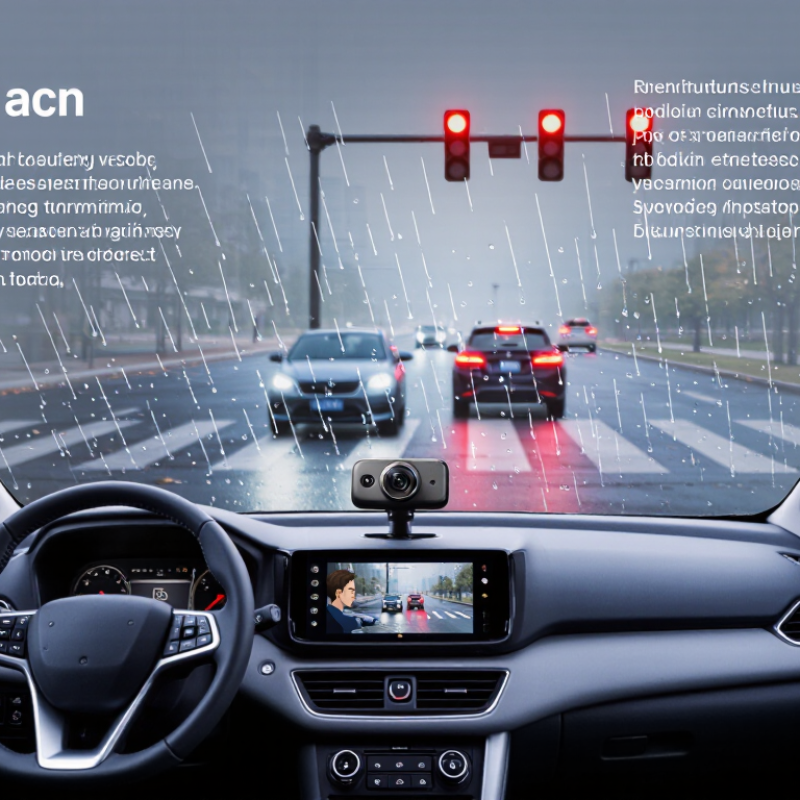
A Car Camera can turn a confusing moment on the road into a clear record. Picture a sudden stop, rain streaking across the windshield, and two drivers remembering the same event differently. A camera may preserve useful details, such as traffic signals, road conditions, and the sequence of events. It does not guarantee a complete account, and footage can miss what happens outside the lens. Small details matter.

Vehicle-safety specialist Matthew Avery is a relevant voice in discussions about car technology and road safety. I could not verify a direct quotation from him about Car Cameras, so I will not invent one. A concise, clearly labeled paraphrase of a general safety principle is: “A camera can record a journey, but it cannot replace an attentive driver.” Treat that as a paraphrase, not his exact words. This distinction matters when choosing trustworthy advice.

For everyday drivers, a Car Camera can offer practical documentation after a collision, a parking incident, or an unexpected hazard. It may also help you review a close call and notice habits worth improving. Still, no device makes driving risk-free. The view may be obstructed, the recording may be unclear, or the camera may not capture the critical angle. Check its field of view, night recording, storage, and ease of use before buying. Then position and maintain it carefully, following the manufacturer’s instructions and applicable local requirements. A camera is useful. Attention remains essential.
Why Do You Need a Car Camera?

What a Car Camera Records: Video, Audio, GPS, and Driving Events

A car camera records more than the road ahead. Its video may show lane markings, traffic signals, weather, and the seconds before a sudden stop. Some systems also record the cabin or rear view, depending on their design and settings. Image quality can change at night, in rain, or when a windshield is dirty. A clear clip helps, but it may not capture every detail. That matters.

Audio recording is often optional, and some cameras do not include it. GPS, when available, can attach a location, route, and speed reading to footage. These details can help explain where a clip was recorded, though GPS accuracy may vary near tall buildings or in tunnels. Many cameras also detect driving events through motion sensors. Hard braking or a sharp impact may trigger a saved clip, sometimes with footage from just before the event. Small details matter.

Before relying on a recording, check which features are enabled and how clips are stored. A camera may overwrite older footage when its memory fills. Audio and location data can also reveal more than expected about a trip. I’ve found it easy to assume a camera records everything; that is not always true. Review a sample clip and settings, then decide what information you actually need.

Road Safety Context: NHTSA Counted 40,901 U.S. Traffic Deaths in 2023

Why Do You Need a Car Camera?

In 2023, 40,901 people died in U.S. traffic crashes, according to NHTSA’s early estimate. That is more than 112 deaths a day. The number fell from 2022, but the risk remains painfully real. NHTSA also reported a traffic fatality rate of 1.26 deaths per 100 million vehicle miles traveled in 2023. A camera cannot prevent every collision. It can, however, preserve a clear record of what happened: a sudden lane change, a hard brake, or the seconds before impact. Small details matter.

A well-mounted camera may provide useful footage when memories differ or road conditions are disputed. Think of rain streaking across the windshield, headlights reflecting off wet pavement, and a vehicle appearing from a blind spot. Footage can help clarify the sequence, though it may not capture every angle or identify every cause. NHTSA’s traffic fatality data describes the scale of the problem; recorded video offers a closer view of an individual drive. It is evidence, not a safety shield. Keep the lens unobstructed, check that recordings are saved, and review local rules on recording and sharing footage. I admit, it is easy to forget the camera is there until you need it. That is exactly when a working recording matters.

How Camera Footage Can Support Crash Claims and Insurance Reviews

A car camera can preserve details that become difficult to recall after a frightening collision. The footage may show the traffic signal, vehicle positions, weather, and the seconds before impact. A wet windshield, for example, can reveal how rain affected visibility. Even a short clip may help an insurer compare driver accounts with observable events.

Clear footage is useful, but it is not a complete verdict. A camera may miss a vehicle outside its view, and glare can obscure a signal. Audio and timestamps can also be inaccurate. Keep the original file, note when and where the incident happened, and avoid altering the recording. Share relevant clips through the insurer’s requested process, and retain a copy. Procedures vary between insurers.

Small habits can make footage easier to review. Check that the lens is clean and the camera records properly before driving. After a crash, preserve the file promptly; some devices overwrite older recordings. It is easy to assume a camera captures everything. It doesn’t. I’d still write down what I remember, including details the video cannot show, such as a brief conversation or the road’s condition just beyond the frame.

Key Features: Resolution, Night Vision, GPS, and Parking Mode

A car camera is useful only when its footage shows what happened clearly. Choose resolution that captures lane markings, road signs, and nearby plates in daylight. Higher resolution can help, but a dirty windshield or poorly aimed lens still ruins detail. Small things matter.

Night vision deserves equal attention. Look for balanced exposure that preserves headlights, streetlights, and darker roadside areas without turning everything into glare. The National Highway Traffic Safety Administration recorded 42,514 U.S. traffic deaths in 2022 in its Traffic Safety Facts report. That figure does not prove a camera prevents crashes, but it shows why clear records can matter after a serious incident. Night footage should be tested on an actual dark road, not just in a bright store.

GPS can add time, location, and speed data to a recording, helping reconstruct a route. Check whether these details can be reviewed or exported easily. Parking mode may record bumps while a car is parked, but it needs a suitable power setup and can drain the battery. Not magic. Before relying on any feature, review a sample clip and confirm its timestamp, image quality, and storage settings. A camera can miss events, and its footage may need careful interpretation.

Why Do You Need a Car Camera? - Key Features: Resolution, Night Vision, GPS, and Parking Mode

Feature What It Does Typical Options or Details Why It Matters Things to Check
Video resolution Records the road view as digital video. Common formats include Full HD (1920 × 1080), QHD (often 2560 × 1440), and UHD 4K (3840 × 2160). Higher resolution can show more detail, which may help when reviewing signs or other visual evidence. It does not guarantee that small details will be readable in every recording. Higher-resolution video uses more storage. Image sensor quality, lens, lighting, and recording bitrate also affect clarity.
Night vision and low-light recording Helps the camera capture usable footage in dim conditions or at night. Low-light sensors and WDR or HDR processing are commonly used to handle dark scenes and bright lights, such as headlights. Can improve visibility when driving after dark, though no camera can capture detail that is not adequately illuminated. Check real sample footage. Infrared illumination is generally for an interior-facing camera; infrared light can reflect off the windshield and obscure an outward-facing view.
GPS Adds location and, on some cameras, speed information to recordings or playback. GPS may be built into the camera or supplied by a separate receiver; recorded data can be viewed in compatible playback software. Location and time information can help provide context about where and when an event occurred. GPS reception may be reduced in tunnels, garages, or areas with obstructed sky view. Treat recorded speed as contextual data, not a precision measuring instrument.
Parking mode Allows recording while the vehicle is parked, using features such as impact-triggered recording, motion detection, or time-lapse capture. Operation varies by camera. Some systems need a hardwiring kit or dedicated battery pack to power the camera when the engine is off. May capture incidents such as a bump or activity near the vehicle while it is unattended. Check power requirements, low-voltage protection, recording limits, and local rules. Continuous or frequent recording can use storage and vehicle power.
Loop recording and storage Records video in short files and, when storage is full, usually replaces the oldest unprotected files. Many cameras use a removable memory card; supported card capacity and file protection vary by model. Keeps the camera recording without requiring the driver to delete files after every trip. Check card compatibility and capacity, and periodically verify that important clips have been saved elsewhere.
Event detection A built-in G-sensor can detect sudden movement and mark or protect a recording from being overwritten. Sensitivity settings and the length of protected clips differ between cameras. Can make footage from a collision or sharp impact easier to find later. Very high sensitivity may protect clips after bumps or rough roads; protected files can fill storage if not reviewed.

Specifications and feature behavior vary by camera. Review sample footage and installation requirements before choosing a system.

Limits and Responsibilities: Privacy, Storage, and Footage Reliability

Why Do You Need a Car Camera?

A car camera may capture a useful detail after a collision, but recording brings responsibilities. Check local privacy rules before recording, especially when passengers or conversations may be captured. Tell regular passengers that a camera is installed. A small notice can prevent an awkward surprise. Avoid sharing clips online when faces, addresses, or license plates are visible. Blur identifying details when sharing is necessary.

Storage needs attention. Many cameras record in short loops, replacing older files when the memory card fills. A sudden impact may protect a clip, but it is not foolproof. After an incident, stop recording when safe and copy the relevant file to a separate device. Check that the date and time are correct; a useful video with the wrong timestamp can create confusion. Cards also wear out. Test playback now and then, rather than discovering a failed file when you need it.

Footage has limits. Rain, glare, a dirty windshield, or a blocked lens can hide important details. At night, headlights may wash out a plate or face. The camera records one angle, not the whole event, and video may not show speed or distance clearly. Keep the lens clean and mount it securely, but do not treat the recording as perfect evidence. It is easy to trust a crisp-looking clip too much. A little doubt is sensible.

Go to Top