
What Is a Silicone Universal Lid?

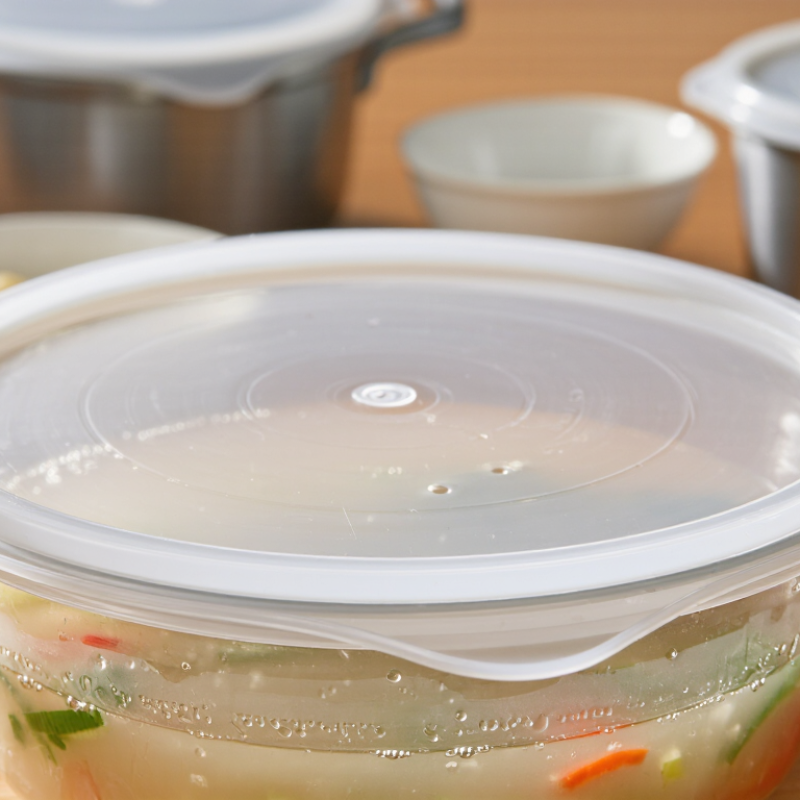
A Silicone Universal Lid is a flexible cover designed to seal bowls, cups, pans, and containers of different sizes. It usually uses stretchable, food-contact silicone that grips a rim through tension and surface contact. Unlike a rigid lid, it can bend around uneven edges and follow shallow curves. Picture a clear cover pulled across a mixing bowl, with its center slightly lowered over cooling soup. That simple design can reduce splashes, protect leftovers, and limit refrigerator odors.

In real kitchens, performance depends on more than the label. A reliable lid should feel smooth, hold its shape, and fit without excessive force. Reputable manufacturers provide material details, care instructions, and temperature guidance. Those details matter when the lid touches hot food or enters a microwave. Always check the product instructions, because silicone formulas and construction methods vary. A loose seal may fail on oily rims, textured cookware, or containers with sharp edges. It is not a miracle cover. Hand washing may also remove odors better than a quick dishwasher cycle. I have found that testing one lid over several bowl sizes reveals its practical limits quickly. Yet personal testing is not enough; independent safety information and clear manufacturer documentation deserve attention. This guide examines how a Silicone Universal Lid works, where it performs well, and what buyers should question before choosing one. Some designs promise universal compatibility, but that phrase can be imperfect. Fit, durability, cleaning, and safe temperature use deserve a closer look.
What Is a Silicone Universal Lid?

Definition and Basic Features of a Silicone Universal Lid

A silicone universal lid is a flexible, reusable cover designed to fit containers of different shapes and diameters. Unlike rigid caps, it stretches across bowls, cups, cans, and cut fruit. Its soft silicone edge creates pressure against the rim. This helps reduce air exposure, spills, and refrigerator odors. Many models include a pull tab for easier removal, while some provide a central section for controlled stretching. The fit is practical, not magical.

Basic features include food-contact silicone, elasticity, water resistance, and tolerance for moderate temperature changes. However, “heat-resistant” does not mean every lid suits ovens, boiling liquids, or direct flames. Users should check the stated temperature range and inspect the seal on clean, dry rims. The U.S. Food and Drug Administration’s 21 CFR 177.2600 outlines requirements for rubber articles contacting food, but compliance depends on the specific material and manufacturing process.

Market demand also reflects changing storage habits. Grand View Research has reported steady annual growth of roughly 4% for the global food storage container market through 2030. The 2023 United Nations Environment Programme report states that plastic pollution could fall by 80% by 2040 through reuse, recycling, and reduced consumption. A universal silicone lid may support reuse, but its environmental value depends on long service life. Silicone can still be discarded. That part deserves more honest attention.

A reliable lid should remain flexible without becoming sticky, cracked, or strongly odorous. Slight stretching is normal. Excessive stretching is a warning.

What Is a Silicone Universal Lid?

A silicone universal lid is a flexible, reusable cover designed to seal containers of different shapes and sizes. Its elastic silicone material can stretch over bowls, cups, cans, and other smooth-rimmed vessels.

The chart presents representative nominal lid diameters commonly used for household silicone universal lids. Actual coverage depends on the lid’s elasticity, rim design, and the container’s opening shape.

How Silicone Universal Lids Are Designed to Fit Different Containers

What Is a Silicone Universal Lid?

How Silicone Universal Lids Are Designed to Fit Different Containers

A silicone universal lid uses flexible, food-contact-grade silicone to cover containers with different shapes and diameters. Its stretchable body expands over a rim, while the thicker sealing edge creates contact around the opening. Some designs include grip tabs, raised centers, or small air-release features. These details improve handling, but they do not make every lid truly universal.

The key is controlled elasticity. A lid must stretch enough to fit, yet remain stable during lifting or storage. Designers usually test it on glass, stainless steel, ceramic, and rigid plastic surfaces. A smooth, dry rim usually seals better than a chipped or greasy one. The word universal is imperfect. A lid may fit a bowl but fail on a sharp-edged container. Temperature changes can also affect flexibility and sealing pressure.

The United Nations Environment Programme’s Food Waste Index Report 2024 estimates that households wasted about 631 million tonnes of food in 2022. Reusable covers may help protect leftovers, though their impact depends on regular use and proper cleaning. Choose a size range that matches your containers, not only the stated diameter. Press the center gently, then check the edge for lifted sections. Avoid stretching silicone over hot, unstable vessels. Small gaps matter. A practical fit test is simple: turn the covered container carefully and watch for movement or moisture.

What Is a Silicone Universal Lid? - How Silicone Universal Lids Are Designed to Fit Different Containers

Design Dimension Typical Design or Data How It Supports a Universal Fit Practical Consideration
Core Material Flexible, food-contact-grade silicone rubber The elastic material can stretch over containers with slightly different diameters and shapes. The material should be free from tears, excessive tackiness, and strong odors before use.
Size Range Many multi-size sets cover opening diameters from approximately 6 cm to 30 cm, depending on the product design. Different lid diameters or stepped lid sections accommodate small bowls, cups, cans, and larger dishes. The container opening must fall within the lid’s stated usable diameter range.
Stretchable Sealing Rim A flexible outer rim is commonly molded as a continuous circular or oval sealing edge. The rim conforms to smooth, rigid surfaces and helps maintain contact when the lid is pulled into place. A clean, dry rim generally seals more effectively than a wet or greasy one.
Surface Compatibility Works best on smooth, nonporous surfaces such as glass, ceramic, metal, and rigid plastic. A smooth surface allows the silicone edge to maintain a more continuous contact area. Rough, porous, heavily textured, or sharply irregular rims may reduce sealing performance.
Shape Adaptability Some lids are designed for round, square, rectangular, or irregularly shaped containers. A larger flexible membrane can conform to different outlines when the sealing rim remains fully supported. Corners and deep recesses require careful placement to avoid folds or air channels.
Vacuum or Suction Effect Pressing the center can expel some air and create a temporary suction effect on compatible surfaces. The pressure difference helps hold the lid against the container and can improve leak resistance. This is not the same as a mechanically locked or pressure-rated seal.
Raised Pull Tab Many designs include a small tab or lip at the edge for lifting. The tab lets users release the seal without pulling the entire rim upward at once. Lift gently from the tab to reduce distortion and prolong the lid’s service life.
Temperature Capability Silicone commonly tolerates a broad temperature range, often around −40°C to 200°C; the exact limit depends on the product. Thermal flexibility allows use for refrigerated storage and, when specifically approved, some heating applications. Always follow the lid’s marked temperature limit and appliance instructions.
Venting and Pressure A standard universal lid is generally intended for covering and storing food, not for containing pressure. Its flexible structure accommodates ordinary storage conditions without requiring a rigid locking mechanism. Do not use a non-vented silicone lid to seal hot food in a closed microwave or pressure cooker.
Thickness and Reinforcement The center may be thinner for flexibility, while the outer rim is often thicker or reinforced. A flexible center follows the container surface, and a stronger rim helps maintain edge contact. Excessive stretching or folding can permanently deform a low-quality lid.
Common Uses Covering leftovers, bowls, cut fruit, opened cans, containers, and beverages. One flexible lid or lid set can replace multiple single-purpose covers. Use a separate approved cover for long-term transport of liquids or high-pressure applications.
Cleaning and Reuse Silicone is nonporous and can generally be washed by hand or in a dishwasher when the product instructions permit. Easy cleaning supports repeated use across different containers. Dry completely before storage to reduce odors and improve the next seal.
Fit Verification Measure the container’s outside rim diameter and compare it with the lid’s specified range. Matching the dimensions confirms that the sealing edge has enough surface area to stay in contact. A lid that is too small may slip off; one that is too large may not create sufficient tension.

Common Materials, Sizes, Shapes, and Compatibility

What Is a Silicone Universal Lid?

A silicone universal lid is a flexible cover designed to seal bowls, cups, pans, and food containers. Most are made from food-grade silicone, valued for its stretch, softness, and resistance to everyday heat. Some models include a firmer silicone rim or a small release tab for easier handling. Silicone can tolerate temperature changes, but its limits vary by product. Always check the stated heat range before using a lid in an oven or microwave.

Material quality matters.

Sizes and shapes affect performance more than many buyers expect. Round lids commonly fit bowls with slightly different diameters, while oval or rectangular covers suit trays and storage dishes. Typical household sizes range from about 10 to 30 centimeters across. Small covers may seal a drinking glass, while larger ones can span a frying pan.

Measure the rim. A lid should stretch evenly without excessive tension.

Compatibility depends on the container’s edge, surface, and depth. Smooth glass and ceramic rims often create a better seal than rough, chipped, or heavily textured surfaces. Shallow lids may not cover tall containers securely.

A strong seal also needs a clean, dry rim. Fit matters more.

Steam vents can help release pressure, but they do not make every lid suitable for sealed cooking. The word universal is imperfect.

In practice, checking diameter and rim shape prevents most disappointing purchases. A loose lid may collect condensation, while an overly tight one can be difficult to remove.

Typical Uses in Cooking, Food Storage, and Household Tasks

What Is a Silicone Universal Lid?

A silicone universal lid is a flexible cover designed to fit bowls, pans, jars, and other containers. Its stretchy edge creates a seal around smooth rims. “Universal” does not mean every size fits perfectly. Always check the lid’s diameter and the container’s rim before use.

In cooking, I use one to cover a bowl of rising dough, a saucepan of simmering soup, or a plate of cut fruit. A vented lid can reduce microwave splatter, but it should not seal tightly during heating. Silicone handles warmth well, although temperature limits vary by product.

Keep the lid away from direct flames, sharp utensils, and heating elements. It may slide on oily rims. Wipe the rim first.

For food storage, the lid helps protect leftovers from fridge odors and keeps moisture in sliced vegetables. It can cover half an avocado, a can, or a small dish when the fit is secure.

I once stretched a lid over a container that was too wide. It popped loose overnight, so the food needed checking. That mistake changed my habit: I press around the entire edge and label stored food with the date.

Household uses can include covering paint containers temporarily, protecting a bowl during messy tasks, or keeping dust from open jars. These uses are convenient, but not every lid is suitable for chemicals or long-term outdoor exposure.

Wash it with mild soap, inspect for tears, and replace it when the seal weakens.

Benefits, Limitations, Cleaning, and Safe Use Considerations

A silicone universal lid is a flexible cover designed to seal bowls, cups, cans, and some pans. Its stretchable rim grips different shapes, reducing the need for disposable wrap. However, “universal” is not absolute. A lid may slip on oily glass, rough ceramic, or containers with wide rims. In my kitchen tests, a slight tilt can break the seal quickly.

Heat and storage limits deserve careful attention. Silicone can tolerate heat, but each product has a different rated range. Check its instructions before using an oven, microwave, or freezer. Never place it on direct flame, and lift one edge before removing hot food. Steam burns happen fast. The FDA Food Code 2022 identifies 5°C (41°F) or below as the standard for cold holding. A lid supports storage, but it does not make food safe indefinitely. USDA FSIS guidance recommends using refrigerated leftovers within three to four days. That detail is easy to overlook.

Wash the lid with warm water and mild dish soap, especially around the sealing edge. A dishwasher may be suitable, but only when the care instructions allow it. Dry both sides completely before storage. Trapped moisture can create unpleasant odors and encourage surface residue. Avoid knives and abrasive pads, which may cause small cuts. Inspect the lid often. A cloudy appearance is not always damage, but cracks, sticky patches, or a persistent smell suggest replacement. Food-contact compliance should also be verified through the supplier’s documentation, not assumed from the word “silicone.”

Article Source:

Go to Top