How to Use Solar Container Homes for Sustainable Living?
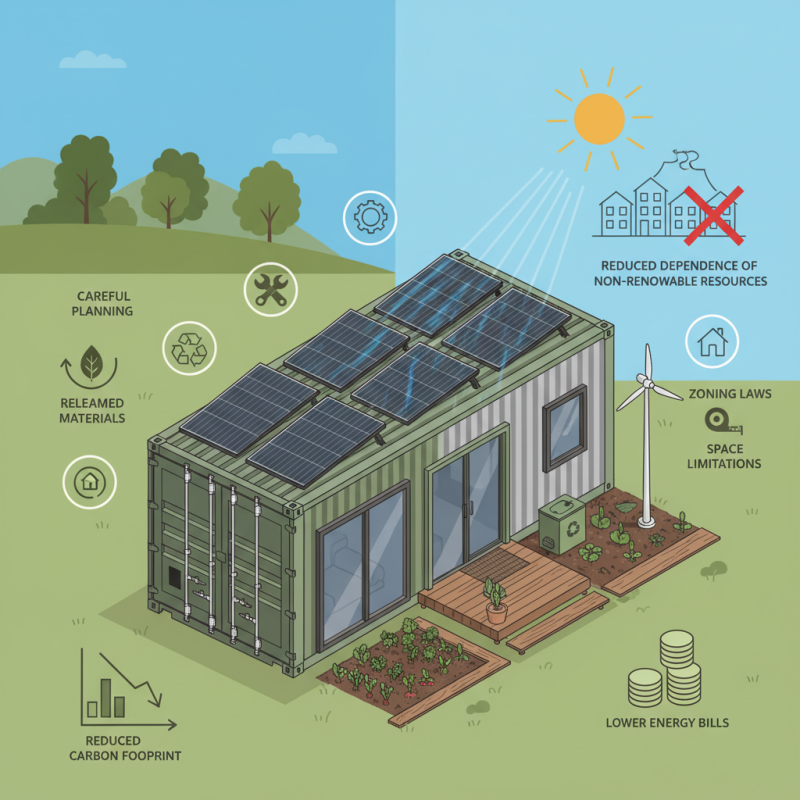
In recent years, solar containers have gained popularity as eco-friendly living solutions. These innovative homes combine sustainability and mobility. A solar container is a shipping container transformed into a functional living space. By harnessing solar energy, these homes reduce dependence on non-renewable resources.
Living in a solar container offers many benefits. You can enjoy lower energy bills and a reduced carbon footprint. However, solar containers are not without challenges. Space can feel limited, and proper insulation is essential. Furthermore, finding suitable locations with adequate sunlight is crucial.
Investing in a solar container requires careful planning. Be aware of zoning laws and potential site restrictions. Using reclaimed materials can enhance sustainability further. Ultimately, the dream of sustainable living through solar containers is within reach, but it requires thoughtful consideration and creativity.
Understanding Solar Container Homes and Their Benefits
Solar container homes represent a unique approach to sustainable living. These innovative structures utilize repurposed shipping containers. They can serve as energy-efficient homes. The use of solar panels allows for renewable energy generation. This helps reduce dependency on fossil fuels and minimizes environmental impact.
The benefits of solar container homes are significant. They are often cheaper to build and maintain compared to traditional homes. Flexible design options allow customization for various climates and preferences. However, one must consider insulation challenges during design. Extreme temperatures can affect comfort levels. It's crucial to plan for proper ventilation and temperature regulation.
Living sustainably in a solar container home is rewarding. It encourages mindfulness about energy consumption. Yet, not all areas have regulations aligned with such homes. Research local building codes before starting a project. This ensures a smoother construction process. It's easy to overlook these factors, but they are essential for success.
Benefits of Solar Container Homes
Key Features of Solar Container Homes for Sustainable Living
Solar container homes are a growing trend in sustainable living. These structures combine eco-friendly design with efficient use of space. According to the International Energy Agency, buildings contribute to about 30% of global energy consumption. Solar container homes can significantly reduce that number. They are designed to harness solar energy effectively.
One key feature of solar container homes is their modular design. This allows for flexibility and adaptability. Owners can customize their layout according to personal needs. A report from McKinsey highlights that modular construction can save up to 30% on costs compared to traditional building methods. Additionally, using recycled shipping containers promotes resource conservation.
Solar panel systems are another critical element. They can generate sufficient energy to power the home. The National Renewable Energy Laboratory states that solar energy is one of the most reliable sources for residential use. However, solar container homes still require maintenance and careful planning. Seasonal variations may affect energy generation. This remains a challenge that homeowners must address. Overall, the benefits are clear, but implementation must be approached thoughtfully.
Steps to Design and Build a Solar Container Home
Designing and building a solar container home requires careful planning. Begin with selecting the right container size. Standard shipping containers are 20 or 40 feet long. Research shows using a 40-foot container can provide about 320 square feet of living space. This design maximizes space while keeping costs manageable.
Next, consider your solar energy needs. Solar panels can offset energy costs significantly. A typical solar setup for a home might require around 30 solar panels, given an average energy consumption of 900 kWh per month. Balance your energy usage with actual needs. Oversizing your solar system can lead to unnecessary expenses. Think about the efficiency of appliances. Invest in energy-efficient models.
Create a layout that optimizes natural light. Well-placed windows can reduce the need for artificial lighting. Aim for good insulation to enhance energy performance, as improper insulation may lead to heat loss. Overall, it's crucial to assess your goals and be realistic about what you can achieve within your budget. Each choice impacts sustainability and comfort. Failure to consider local climate conditions can lead to issues later. Reflect on these aspects while designing your solar container home.
Integrating Renewable Energy Solutions for Off-Grid Living
Integrating renewable energy solutions into solar container homes allows for sustainable, off-grid living. These homes can harness solar power, wind energy, and other renewable sources. Installing solar panels on the roof can provide sufficient electricity. Battery storage systems capture excess energy for cloudy days or nighttime use.
Water management is another key aspect. Rainwater harvesting systems can supplement water needs. They channel rain into storage tanks for later use. Indoor plumbing can be tricky, often relying on pumps powered by solar energy. Many people face the challenge of managing their own electricity and water systems. It requires some trial and error. Understanding the energy consumption of devices is crucial but sometimes overwhelming.
Heating and cooling are essential for comfort. Passive solar design can reduce energy needs, using natural light and ventilation. Insulation also plays a vital role. However, there can be frustrations with temperature control throughout the year. Learning to adapt to these changes is part of the process. Off-grid living demands both creativity and resilience. Each challenge can lead to growth and better solutions.
Maintaining and Upgrading Solar Container Homes for Longevity
Maintaining a solar container home requires constant attention. Regular inspections of solar panels are essential. Check for dirt and debris that may block sunlight. Cleaning every few months can greatly improve efficiency. It is simple but often overlooked. Neglecting this step leads to underperformance.
The container itself needs care too. Rust can be a significant issue. Inspect seams and corners regularly. Repainting with weather-resistant paint can extend the life of the container. Small cracks should be caulked promptly. These tasks seem minor but are vital for longevity.
Upgrading the energy system is another consideration. Adding more battery storage can enhance energy security. Consider better insulation materials for improved energy efficiency. These upgrades require investment and planning. Always evaluate the balance between cost and benefit. Reflect on what truly adds value to your lifestyle.