Top Low Voltage Switchgear Series for Global Buyers?
In today's rapidly evolving electrical landscape, the demand for efficient and reliable Low Voltage Switchgear Series is on the rise. These components serve as critical fixtures in electrical distribution systems, ensuring safety and optimal performance. Global buyers seek out top-tier options that meet industry standards and provide long-lasting solutions.
When exploring the Low Voltage Switchgear Series, buyers must consider various factors. Quality, functionality, and compatibility with existing systems are paramount. Choosing the right switchgear can significantly impact operational efficiency. However, not every product on the market lives up to its promises. Some models may lack durability or have limited features.
As a result, it’s essential to research trustworthy manufacturers and suppliers. Transparency and track records matter. Buyers should ask questions and seek expert advice. A well-informed choice can lead to enhanced performance and safety in electrical installations. The global market offers numerous options, but due diligence is crucial to avoid pitfalls.
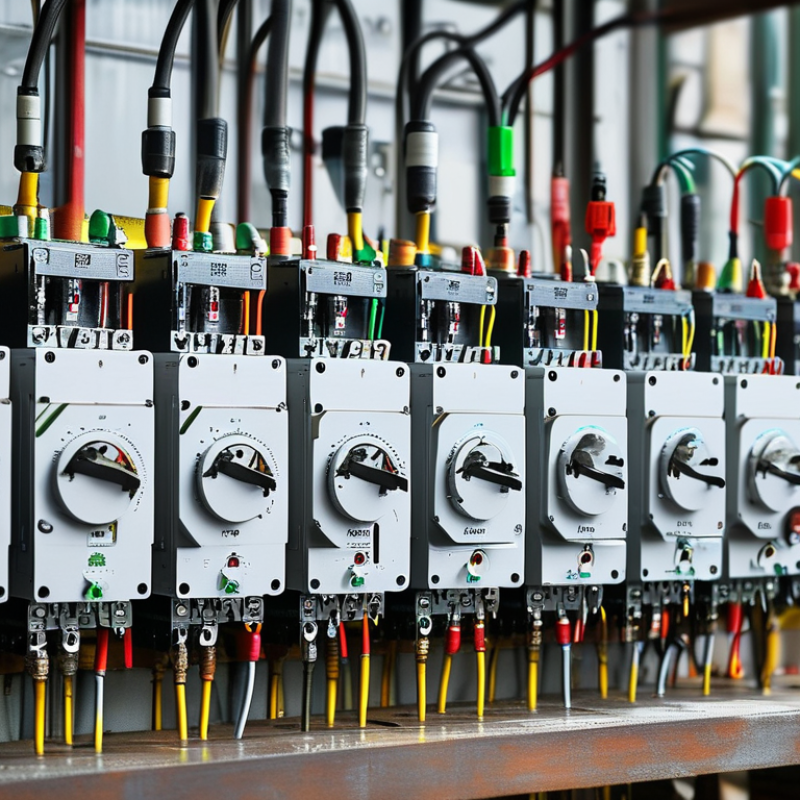
Overview of Low Voltage Switchgear and Its Importance
Low voltage switchgear plays a crucial role in electrical distribution systems. It helps protect, control, and isolate electrical equipment. These systems ensure that power is delivered safely and efficiently. In industrial and commercial settings, low voltage switchgear can be found in various applications, from lighting circuits to motor control.
The importance of low voltage switchgear cannot be overstated. It prevents overloads and short circuits, helping to maintain system integrity. With the growing demand for reliable power solutions, understanding these systems is vital. Their design and functionality contribute to safe operations in countless environments. Yet, not all switchgear may meet stringent safety standards. This reflects the need for careful evaluation by buyers.
Quality assurance in low voltage switchgear is key. Buyers should prioritize systems that comply with international standards. Testing and inspection can uncover potential flaws in design or materials. While many options exist, it is essential to understand their limitations. Choosing the right switchgear requires balancing cost, durability, and functionality. The process is complex and requires thorough research.
Top Low Voltage Switchgear Series for Global Buyers
This chart represents the global market share of different low voltage switchgear types based on their applications. The data showcases the importance of each type in various sectors such as industrial, commercial, and residential.
Key Features to Look for in Low Voltage Switchgear
When considering low voltage switchgear, essential features must be prioritized. One crucial aspect is the design of the switchgear. Equipment should be modular, allowing for flexible configurations to adapt to various needs. According to industry reports, over 40% of users prefer switchgear that offers easy maintenance options. This reflects a demand for efficiency and reliability in critical operations.
Additionally, thermal management plays a vital role. Effective heat dissipation prevents failures that could lead to costly downtimes. Studies indicate that inadequate thermal management accounts for up to 30% of switchgear failures annually. Buyers should ensure that products incorporate advanced cooling technologies.
Safety is paramount as well. Look for features like arc flash protection and remote monitoring capabilities. Research shows that organizations valuing workplace safety witness up to a 20% reduction in accidents. This illustrates the importance of investing in reliable low voltage switchgear to enhance operational safety while minimizing risks.
Top Low Voltage Switchgear Series for Global Buyers
| Switchgear Type | Rated Voltage (kV) | Current Rating (A) | Protection Class | Key Features |
| Withdrawable Switchgear | 0.4 kV | 630 - 4000 A | IP30 | Modular design, Easy maintenance, Compact size |
| Fixed Installation Switchgear | 0.4 kV | 800 - 5000 A | IP40 | High durability, Low maintenance, User-friendly interfaces |
| Smart Switchgear | 0.4 kV | 1000 - 2500 A | IP54 | IoT integration, Real-time monitoring, Energy efficiency features |
| Panel Board Switchgear | 0.4 kV | 400 - 1200 A | IP30 | Space-saving design, High functional flexibility, Easy accessibility |
| Compact Switchgear | 0.4 kV | 125 - 2500 A | IP20 | Lightweight, Integrated protection features, Cost-effective |
Top Global Brands Manufacturing Low Voltage Switchgear
When considering low voltage switchgear, buyers must prioritize quality. High-performing switchgear is essential for efficient electrical distribution and safety. Leading brands focus on innovation and reliability. They offer various solutions tailored to specific applications. These solutions range from compact designs to robust units for industrial needs.
Market leaders emphasize energy efficiency in their products. Some even incorporate smart technology for better monitoring. Of course, not all products are equal. Some lack the necessary certifications or performance data. Buyers should evaluate specifications carefully. Transparency is important here.
In a rapidly evolving market, brands might struggle to keep pace. They need to adapt to technological advancements and regulatory changes. Buyers often find it challenging to discern which products truly deliver. Conducting thorough research is not just helpful; it’s essential. Understanding features and performance ratings can mitigate risks.
Comparative Analysis of Leading Low Voltage Switchgear Series
In the world of low voltage switchgear, several series stand out through comparative analysis. According to recent industry reports, the global market for low voltage switchgear is projected to grow significantly, reaching an estimated value of $27 billion by 2026. This growth highlights the increased demand for reliable power distribution solutions across various sectors.
Leading low voltage switchgear series often vary in design and efficiency. Some models feature modular designs that enhance flexibility in installation. This can significantly impact operational performance. A report by MarketsandMarkets indicates that energy efficiency is a crucial factor in purchasing decisions, with 65% of buyers prioritizing this aspect.
Data also reveals that safety standards play a vital role in the selection process. Many users express concerns about fault protection and maintenance ease. However, it is necessary to reflect on the complexity of integrating modern switchgear into existing systems. Many projects experience delays due to compatibility issues, underscoring the importance of thorough planning and evaluation before decisions are made.
Future Trends and Innovations in Low Voltage Switchgear Technology
The low voltage switchgear market is experiencing significant changes driven by advanced technology. Future trends indicate a shift towards smarter solutions and higher efficiency. According to a recent report by MarketWatch, the global low voltage switchgear market is projected to reach USD 52 billion by 2026, growing at a CAGR of over 7% during this period.
One key innovation is the integration of IoT capabilities. Smart switchgear allows for real-time monitoring and control, optimizing power management. This provides reliability and enhances energy efficiency. However, the complexity of these systems raises concerns about cybersecurity risks. Industry experts have noted that while smart technology offers numerous benefits, it might also introduce vulnerabilities that require careful addressing.
Sustainability is another major focus. Future designs will include eco-friendly materials and energy-efficient components. Reports suggest that nearly 40% of consumers prioritize sustainability in their choices. Despite this, the industry must balance costs with environmentally friendly practices. Transitioning to greener technologies can be expensive and may face resistance from traditional manufacturers. The ongoing evolution in low voltage switchgear technology presents both opportunities and challenges.