Top 10 Industrial Transformer Suppliers to Buy From
Choosing an Industrial Transformer supplier is not a simple price comparison. A reliable decision begins with operating conditions, load behavior, voltage class, cooling method, and installation environment. A unit serving a steel mill faces different stresses from one installed near a coastal substation. Salt air, dust, vibration, harmonics, and sudden load changes can quietly shorten transformer life.
John J. Winders Jr., author of Power Transformers: Principles and Applications, states, “The transformer is one of the most important devices in the electric power system.” His point remains practical today. A supplier must provide more than a polished catalog. Buyers should examine design experience, factory testing, insulation systems, efficiency data, temperature-rise limits, delivery records, and after-sales support. Test reports matter. So do replacement-part availability and field-service response.
This guide, “Top 10 Industrial Transformer Suppliers to Buy From,” evaluates manufacturers through those real purchasing concerns. It considers product range, engineering capability, customization, certification, manufacturing capacity, and customer reliability. Some suppliers may excel in high-voltage equipment, while others offer stronger solutions for compact plants or renewable-energy projects. No ranking is perfect. Project conditions change, and public information can be incomplete. That limitation deserves attention.
A careful buyer should compare technical documents with actual site requirements. Ask difficult questions before signing. Check references where possible. The cheapest transformer can become the most expensive equipment on the site. Reliability is measured over years, not during a sales meeting.
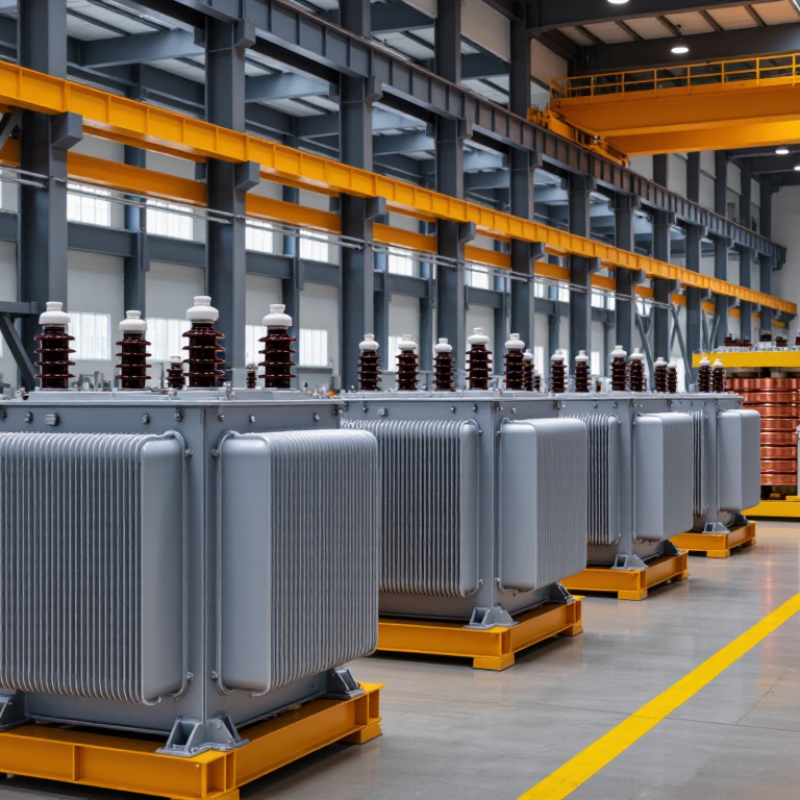
Industrial Transformer Suppliers: Market Role and Product Categories
Industrial transformer suppliers play a critical role in modern power distribution. They connect generation assets with factories, buildings, substations, and transport systems. Their market role includes design support, capacity planning, manufacturing, testing, delivery, and maintenance. Reliable suppliers also help engineers match transformer performance with changing load conditions.
Dry-type transformers suit indoor facilities where fire control and reduced maintenance matter.
Oil-immersed transformers support higher capacities and outdoor substations.
Isolation transformers improve electrical separation for sensitive equipment.
Autotransformers can reduce material use, but they offer less electrical isolation.
Details matter.
Experienced buyers review efficiency ratings, impedance, cooling methods, insulation systems, and enclosure protection. They should also request routine test records, factory inspection access, and clear service procedures. Certification alone is not enough. A document may meet a standard while the installation still suffers from poor ventilation or incorrect grounding. Site engineers often use thermal imaging, sound checks, and load measurements after commissioning.
The strongest industrial transformer suppliers provide traceable materials, realistic delivery schedules, and responsive technical support. They understand regional grid conditions and industrial duty cycles. However, supplier rankings can oversimplify purchasing decisions. A large supplier may not offer the best response for a specialized project. Smaller suppliers may provide closer engineering support, yet lack spare parts capacity. Buyers need to examine both strengths carefully.
Top 10 Industrial Transformer Suppliers to Buy From
Top 10 Industrial Transformer Suppliers to Buy From
Choosing among the top 10 industrial transformer suppliers requires more than comparing purchase prices. Field experience shows that application fit often matters more than catalog ratings. A reliable shortlist should include suppliers specializing in oil-immersed power transformers, dry-type units, furnace transformers, and renewable-energy systems. It should also cover suppliers experienced in mining, marine, railway, and heavy manufacturing projects. Each supplier should provide verified efficiency data, temperature-rise results, insulation ratings, and factory testing records. Ask for evidence.
A dependable supplier explains load profiles, harmonic distortion, ambient temperature, altitude, and short-circuit requirements before quoting. Their engineers should review drawings and identify practical installation limits. Look for clear warranty terms, spare-parts support, maintenance guidance, and realistic delivery schedules.
Factory acceptance testing should include winding resistance, ratio checks, insulation tests, and leak inspection when applicable. Details matter. Certifications help, but they cannot replace engineering judgment. I would also request references from facilities with similar loads and operating conditions. No shortlist is flawless. Some suppliers communicate well but lack local service coverage. Others offer strong technical designs but provide weak documentation. Recheck every claim, especially efficiency figures and promised lead times. A careful buyer compares total ownership cost, not only the invoice value. Good industrial transformer suppliers make technical risks visible before the purchase order is signed.
How to Select the Right Industrial Transformer Supplier for Your Needs
Choosing among top industrial transformer suppliers requires more than comparing quoted prices. Start with your load profile, voltage levels, frequency, installation altitude, cooling method, and expected duty cycle. A supplier should ask for these details before recommending a unit. If the conversation begins with a catalogue model, be cautious. It may fit the drawing, yet fail under heat, harmonics, or frequent starts. Ask for calculation sheets, efficiency data, temperature-rise limits, and applicable test reports. Clear documentation is evidence of engineering discipline.
Supplier experience matters most when conditions are unusual. Request references for installations with similar loads, environments, and maintenance access. Speak with operators, not only sales contacts. Review factory acceptance testing, winding materials, enclosure ratings, spare-parts support, and technician response times. Confirm who handles commissioning and what the warranty excludes. A low purchase price can become expensive when a replacement fan or bushing takes weeks to arrive. Ask for a realistic production schedule. Promises without dates are weak evidence.
Visit the facility when the project is critical. Observe storage, assembly cleanliness, inspection controls, and whether test instruments are calibrated. Check quality certificates independently, and require serial-number traceability for major components. Communication is another test. Send a technical question and judge the clarity of the reply. Avoid suppliers who hide limitations or dismiss site data. I would also record unresolved assumptions in the contract. This step is easy to skip. That is a mistake. Even careful teams can overlook noise, transport access, or future capacity. Leave room for corrective review before purchase approval.
Top 10 Industrial Transformer Suppliers to Buy From: How to Select the Right Supplier
Before comparing suppliers, evaluate the transformer technology against the required capacity, cooling method, installation environment, efficiency, and maintenance plan. The chart presents common industrial transformer cooling configurations and their typical continuous rating ranges used as an initial engineering reference.
Reference basis: typical industry application ranges for IEC 60076-compliant power and distribution transformers. Actual ratings depend on voltage class, ambient temperature, impedance, duty cycle, enclosure, harmonics, and project specifications.