Why Smart Power Solar is the Future of Renewable Energy?
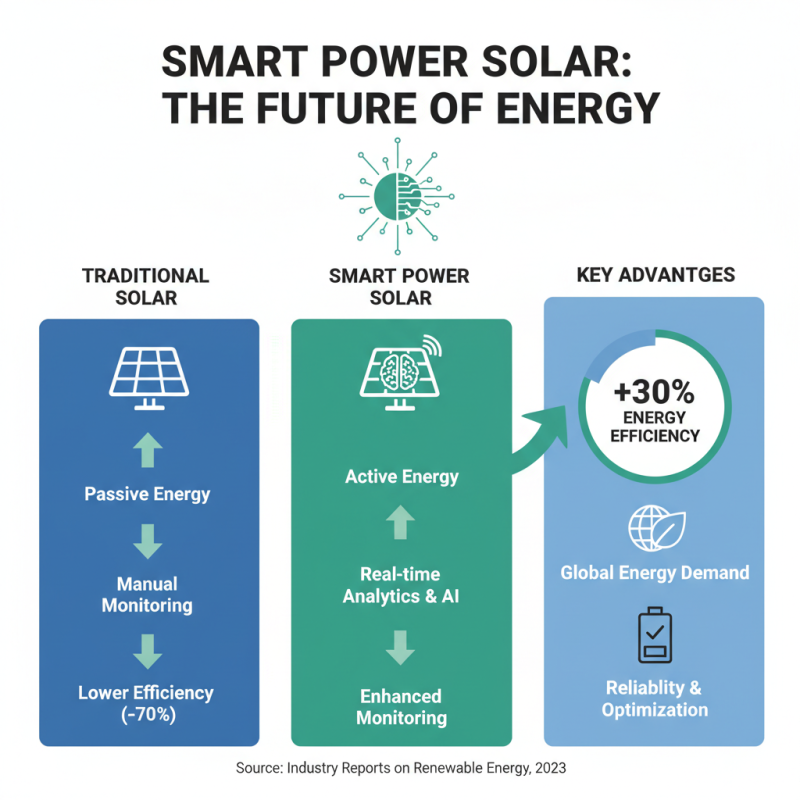
The rise of Smart Power Solar marks a pivotal shift in renewable energy. Recent industry reports predict that solar power will contribute to over 30% of the global energy mix by 2030. This shift is driven by technological advancements and decreasing costs. Smart Power Solar utilizes intelligent systems that optimize energy production and consumption. This technology offers real-time data, enhancing efficiency.
As global energy demand grows, there is an urgent need for sustainable solutions. Traditional energy sources face limitations. By 2025, it's expected that solar installations will exceed 1.2 terawatts. However, challenges remain. The transition to Smart Power Solar isn’t without its hurdles. Infrastructure limitations and energy storage capabilities need addressing.
The vision of a cleaner future is appealing, yet feasible implementation is complex. Transitioning to Smart Power Solar requires strategic planning and investment. Stakeholders must collaborate to overcome existing barriers. The potential benefits are immense. But the industry must reflect on its approach to harness the full impact of Smart Power Solar.
Understanding Smart Power Solar Technology and Its Mechanisms
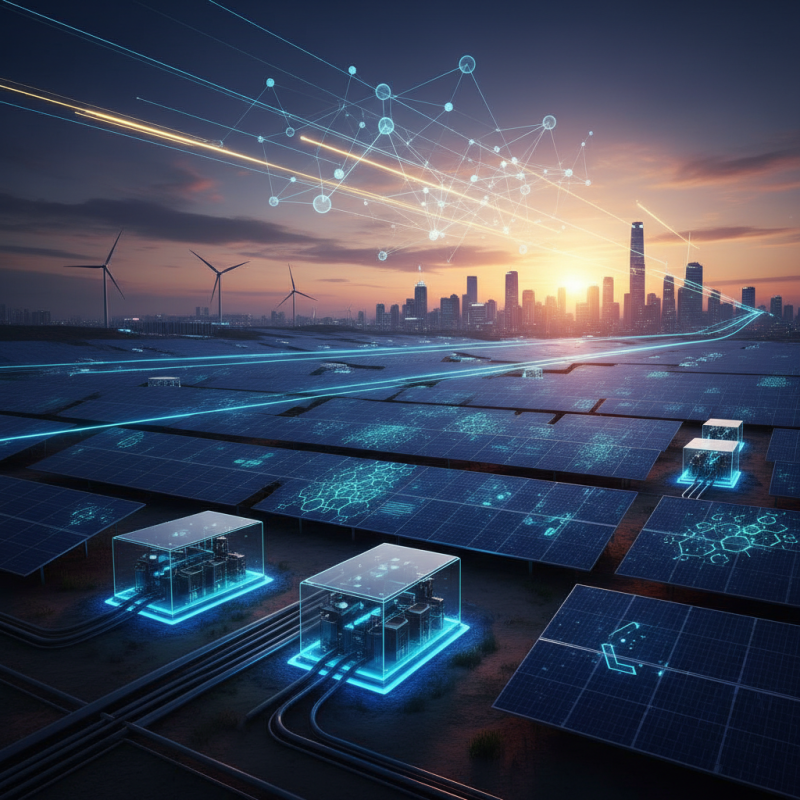
Smart power solar technology is transforming the landscape of renewable energy. This innovative approach merges traditional solar energy with smart grid capabilities. By using advanced sensors and data analytics, it optimizes energy production and consumption. Real-time monitoring can adjust solar output based on demand. This ensures a more stable energy supply.
The mechanisms behind smart power solar are fascinating. Solar panels are equipped with smart inverters. These devices can communicate with the grid and other energy sources. They can manage fluctuations in energy use. This helps in reducing waste and improving efficiency. However, implementation can be challenging. Integrating new technology often requires infrastructure upgrades.
Learning to navigate these complications is essential. Some communities may struggle with investment costs. Others might lack the necessary technical expertise. It is important to address these gaps. By focusing on education and training, adoption rates can improve. While the potential is vast, careful planning is crucial for success.
Key Advantages of Smart Power Solar Over Traditional Renewable Energy
Smart power solar technology is reshaping the landscape of renewable energy. Unlike traditional solar panels, smart power solar systems integrate advanced analytics and real-time monitoring. Reports indicate that smart solar technology can increase energy efficiency by up to 30% compared to conventional systems. This efficiency is critical as energy demands grow globally.
Smart power solar systems offer significant advantages. They can adapt to changes in energy consumption. This adaptability ensures that users can maximize their energy savings. Traditional systems often lack this flexibility. Moreover, smart systems generate data insights that help users optimize their energy usage. According to industry studies, these insights lead to a 25% reduction in energy costs over time.
Tip: Regularly monitor your energy usage. Small adjustments can lead to larger savings.
Importantly, some may find the initial investment in smart solar daunting. However, the long-term savings often outweigh these costs. Users should consider evaluating their energy needs carefully. Over time, smart power solar may resolve many of the challenges faced with traditional methods, paving the way for a cleaner, more efficient future.
Tip: Research incentives available in your area to help offset costs.
The Role of Smart Grids in Enhancing Solar Energy Efficiency
Smart grids play a crucial role in enhancing solar energy efficiency. They utilize advanced technology to increase the effectiveness of solar power systems. A smart grid can communicate and manage energy flows in real time. This improves energy distribution and helps reduce waste.
Tip: Regular maintenance of solar panels is essential. Clean panels can capture more sunlight and generate more power.
Moreover, smart grids allow for better integration of renewable sources. They can shift excess solar energy to when demand is high. This shift prevents energy inefficiencies. Consumers can benefit from lower energy costs during peak times. However, implementing smart grids is not without challenges. In some regions, outdated infrastructure hinders progress.
Tip: Consider investing in energy storage solutions. These can help manage surplus energy from your solar system.
The future of solar energy will rely on these advancements. Smart power solar solutions promise flexibility and adaptability. Innovations in this area are ongoing. Balancing technology with sustainable practices remains important. The journey toward efficiency is filled with learning opportunities.
Challenges and Solutions for Implementing Smart Power Solar Systems
Implementing smart power solar systems faces several challenges. One key issue is the integration of technology. Many users lack the knowledge to install or manage these systems. Training programs could enhance understanding, but they require resources. Without proper education, potential users may hesitate to adopt this technology.
Another significant challenge is the upfront cost of installation. Many families and businesses struggle with the initial investment. While long-term savings are appealing, the financial barrier can deter adoption. Governments and organizations can play a role here by providing subsidies or incentives. However, such programs need careful planning to be effective.
Grid connectivity also presents difficulties. Some regions lack infrastructure to support smart solar systems. Incomplete connectivity can lead to inefficiencies. Meeting the diverse needs of users might require a more flexible approach. Each region has unique challenges that need recognition and tailored solutions.
Why Smart Power Solar is the Future of Renewable Energy? - Challenges and Solutions for Implementing Smart Power Solar Systems
| Dimension |
Description |
Examples |
Challenges |
Solutions |
| Energy Efficiency |
Maximizing the amount of energy produced from solar systems. |
Increased panel efficiency through technology advancements. |
High initial costs for advanced technology. |
Government subsidies and financing options. |
| Integration |
Combining solar systems with smart grid technology. |
Smart inverters and energy management systems. |
Compatibility with existing infrastructure. |
Pilot programs and phased integration strategies. |
| Storage Solutions |
Storing excess energy for use during non-sunny periods. |
Battery storage systems such as lithium-ion batteries. |
Limited battery lifespan and cost. |
Research in new battery technologies and recycling programs. |
| Grid Stability |
Ensuring a reliable and stable power supply when integrating solar energy. |
Demand response programs to balance supply and demand. |
Intermittency of solar power generation. |
Enhancing grid infrastructure to manage variability. |
| Policy and Regulation |
Legal and regulatory frameworks that support solar energy adoption. |
Feed-in tariffs, tax incentives for solar users. |
Regulatory hurdles slowing down deployment. |
Streamlined regulations and comprehensive energy policies. |
Future Trends and Innovations in Smart Power Solar Energy Solutions
Smart power solar is reshaping the landscape of renewable energy. Innovations in this field address various challenges. They enhance efficiency, storage, and grid integration. One notable trend is the development of advanced photovoltaic cells. These cells convert sunlight into energy more effectively than ever.
The rise of smart inverters is another exciting advancement. They improve the way solar energy interacts with the power grid. These devices allow for real-time data monitoring. This way, users can optimize energy consumption. However, not all homes can benefit from them yet.
Tips: Consider the available space before investing in solar solutions. Not every home is suitable for solar panels. Also, check local regulations about installation. Being informed can save you time and money. These innovations are promising, but they don't come without challenges. Adapting to new technology can be daunting. Be prepared to embrace change.