How to Safely Store LPG in a Storage Tank?
Proper storage of LPG in a storage tank is crucial for safety and efficiency. John Smith, an expert in LPG systems, once stated, “Safety starts with the right storage practices.” This highlights the importance of adherence to safety protocols when handling flammable substances.
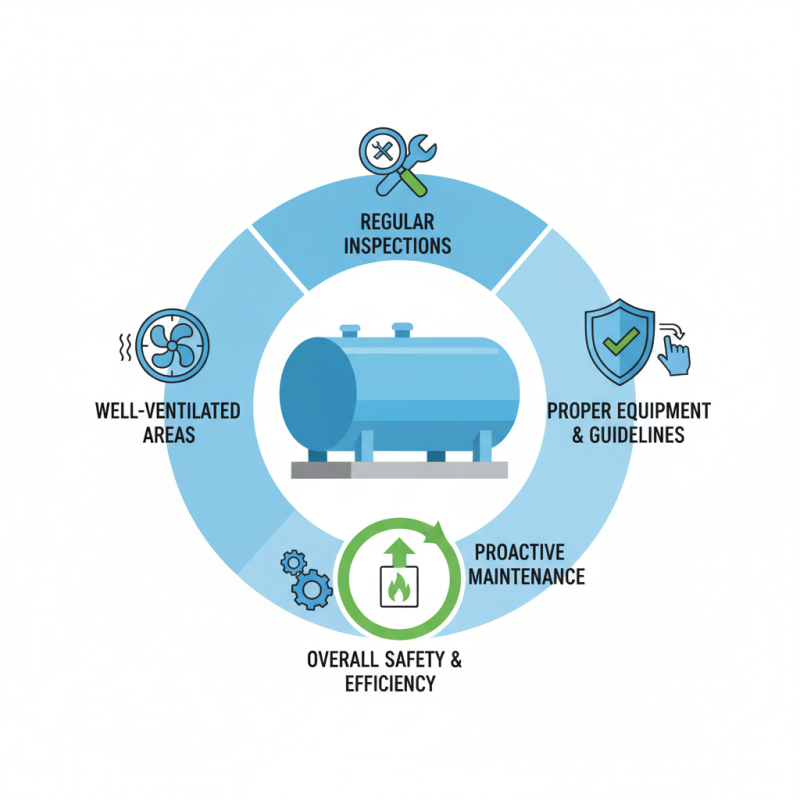
LPG Storage Tanks must be placed in well-ventilated areas. Regular inspections can prevent leaks that pose serious risks. It is essential to use tanks designed for LPG and follow manufacturer guidelines. Even small errors in installation can lead to dangerous situations.
While many understand the basics, a lack of knowledge can result in oversights. Some individuals underestimate the importance of tank maintenance. Reflecting on these practices can help improve overall safety and efficiency. A proactive approach is vital to ensure that LPG stays safe in its storage tank.
Understanding LPG and Its Properties
Understanding LPG and its properties is crucial for safe storage in tanks. Liquefied Petroleum Gas (LPG) is a mixture of propane and butane. It is flammable and can create explosive atmospheres if not handled properly. With a boiling point below zero degrees Celsius, LPG vaporizes quickly at room temperature. This makes it a highly efficient fuel, but also increases its risks.
When storing LPG, maintaining proper pressure is essential. At 15 degrees Celsius, the pressure in an LPG tank can exceed 7 bar. If this pressure is not managed, it can lead to leaks or ruptures. Proper ventilation is vital to disperse any accidental leaks. Regular inspections of storage tanks can help minimize risks associated with corrosion and wear.
**Tips:** Ensure your storage area is away from flammable materials. Use protective equipment while handling LPG tanks. Be aware of neighboring structures and their potential impact on safety.
Safety measures are important, yet they can sometimes overlook human factors. Many accidents occur due to negligence rather than equipment failure. It’s essential to create a culture of safety among all users. Regular training and safety drills can help reinforce safe practices. Understanding the properties of LPG helps us recognize its dangers and manage them effectively.
Importance of Safe LPG Storage Practices
Safe storage of LPG is crucial for both safety and operational efficiency. Poor practices can lead to leaks, explosions, or other hazards. Inspecting storage tanks regularly is essential. Checking for corrosion, leaks, or damage can prevent serious accidents. Keeping tanks in well-ventilated areas reduces the risk of gas buildup. This is critical for maintaining a secure environment.
Using appropriate signage around storage areas is also important. It helps remind everyone about the hazards and the necessary precautions. Training staff on proper handling procedures is non-negotiable. Knowledge about emergency responses can save lives. Even experienced personnel can overlook simple rules. Regular drills can help reinforce best practices.
Sometimes, storage tanks are neglected. This can lead to avoidable consequences. Review and update safety protocols regularly. Document changes and lessons learned from any incidents. Reflect on past oversights to improve future practices. It's vital to treat LPG storage with respect and seriousness. Neglecting this can have dire consequences.
How to Safely Store LPG in a Storage Tank? - Importance of Safe LPG Storage Practices
| Storage Practice | Description | Importance | Frequency of Checks |
| Proper Ventilation | Ensure adequate airflow around the storage area. | Reduces the risk of gas accumulation and explosion. | Daily |
| Tank Integrity | Regularly inspect tanks for signs of corrosion or leaks. | Prevents leaks and ensures safety of LPG supply. | Monthly |
| Location of Storage | Store tanks away from flammable materials and populated areas. | Minimizes risk in case of leakage or fire. | Annually |
| Emergency Protocols | Have clear emergency procedures in place for leaks or fires. | Quick response can save lives and property. | Bi-annually |
| Training for Staff | Regular training on LPG handling and safety measures. | Increases awareness and preparedness among staff. | Quarterly |
Selecting the Right Storage Tank for LPG
Selecting the right storage tank for LPG is critical for safety and efficiency. Most experts recommend tanks made of steel or high-density polyethylene, as these materials provide durability and resistance to environmental factors. The size of the tank is also essential. According to recent industry reports, tanks should have a capacity aligned with usage demands to prevent frequent refueling. An undersized tank can lead to inefficiencies and increased costs.
When evaluating tank options, it is important to check for certified coatings and insulation. Proper insulation minimizes energy loss and enhances safety. Data from industry studies indicate that up to 30% of LPG losses can occur due to poor insulation. Additionally, perform regular integrity assessments. This practice is often overlooked. Tanks can develop leaks over time, leading to potential hazards.
Another aspect to consider is location. Tanks should be placed away from residential areas and in well-ventilated spaces. This reduces risks associated with leaks or pressure build-up. A common mistake is underestimating the importance of choosing a suitable site. Regular maintenance checks are equally important. Simple inspections can reveal issues before they become major problems.
Best Practices for Storing LPG Safely
Storing LPG in a storage tank requires careful considerations. First, choose a safe location. Avoid areas near flammable materials. The ground should be level and stable. Ensure that the tank is away from public access. This reduces risks significantly. Yet, many overlook these details during setup.
Proper ventilation is essential. Tanks need adequate airflow to prevent gas buildup. Regular checks for leaks are crucial. Use detectors to ensure safety. Periodic inspections help catch issues before they escalate. Not everyone conducts these checks regularly, leading to potential hazards.
Lastly, monitor temperature controls.LPG Storage Tanks must stay cool. Extreme temperatures can increase pressure and risk accidents. Consider using insulation or cooling techniques. It’s easy to become complacent with these practices. Maintaining diligence is key for safe LPG storage.
Regular Maintenance and Inspection of LPG Storage Tanks
Regular maintenance and inspection of LPG storage tanks is crucial for safety. According to the National Fire Protection Association (NFPA), poor maintenance can cause serious incidents. Over 60% of LPG-related accidents are linked to tank malfunctions. Inspecting these tanks regularly helps identify leaks or corrosion before they become hazards.
Visual and physical inspections should occur at least every six months. During these check-ups, look for signs of rust or wear. A small crack can lead to significant spills, resulting in explosive situations. Moreover, sensors and alarms can enhance safety but require periodic testing. Only 40% of facilities regularly test these systems, leaving a gap in safety measures.
Education is key. Staff should receive training on LPG handling and emergency response protocols. The Occupational Safety and Health Administration (OSHA) highlights that proper training reduces risks. Even simple practices like keeping the area around the tank clear can prevent accidents. Neglecting such aspects can be detrimental, leading to potential disasters. Regular inspections make a difference, but they need commitment and attention.