What is Main Electrical Switchgear and Why is it Essential?
The Main Electrical Switchgear is a vital component in modern electrical systems. It serves as the primary control point for electrical distribution. With a crucial role in ensuring safety, it helps prevent overloads and short circuits. The design and functionality of this equipment are grounded in engineering expertise. It is not just a piece of hardware; it embodies safety measures and operational efficiency.
This switchgear is essential in industrial and commercial settings. Its ability to manage high voltage and current makes it indispensable for daily operations. Without reliable Main Electrical Switchgear, facilities risk outages and potential hazards. It's important to understand that while these systems are robust, they occasionally require maintenance and upgrades. Neglect can lead to failures and costly disruptions.
As energy demands grow, the significance of Main Electrical Switchgear increases. Adapting to technological advancements and evolving power needs is critical. Each installation may present unique challenges, needing tailored solutions. Acknowledge that even the best systems can have vulnerabilities. Continuous assessment and improvements are necessary for optimal performance and safety.
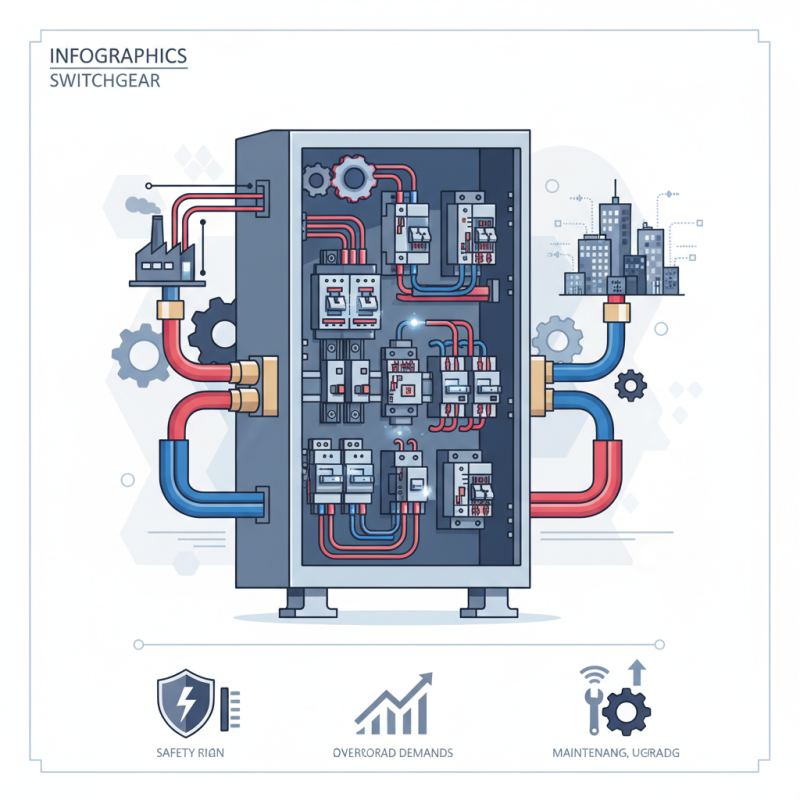
What is Main Electrical Switchgear and Its Role in Power Distribution
Main electrical switchgear plays a crucial role in power distribution systems. It serves as the control hub for managing electrical power flow, ensuring safety and efficiency. These systems protect people and equipment from electrical faults. According to a report from ResearchAndMarkets, the global switchgear market is expected to reach $150 billion by 2025, driven by increasing demand for reliable power infrastructure.
The functionality of main electrical switchgear includes circuit protection, isolation, and switching. Circuit breakers, for example, can instantly cut off power in case of dangerous currents. This immediate response can prevent widespread outages. Additionally, switchgear helps maintain system stability by managing load variations. In urban areas, where electrical infrastructure is aging, outdated switchgear may pose risks. Insight from the IEEE reveals that up to 30% of electrical failures can be traced back to switchgear issues, highlighting the need for frequent inspections and updates.
Despite its significance, many facilities ignore regular maintenance. This oversight can lead to catastrophic failures. The National Fire Protection Association reports that electrical failures cause 46% of industrial fires. Regular testing and updates can enhance safety and reliability. Investing in modern switchgear is essential for infrastructure resilience and energy efficiency. Prioritizing this maintenance can pay dividends in safety and operational efficiency.
Key Components of Main Electrical Switchgear: Breakers and Switches
Main electrical switchgear is crucial for managing electrical power within buildings and industrial settings. The primary components include circuit breakers and switches. These devices ensure safety and efficiency in electricity distribution. According to a report by MarketsandMarkets, the global switchgear market is expected to reach $95.9 billion by 2025. This growth highlights the increasing demand for reliable electrical infrastructure.
Circuit breakers are essential for protecting electrical circuits from overloads and short circuits. They automatically interrupt the flow of electricity when an issue arises. This feature prevents potential hazards like electrical fires. Moreover, the performance of these breakers can vary. Older models might not provide sufficient protection against modern electrical loads.
Switches, on the other hand, facilitate manual control of electrical circuits. They are vital for maintenance and operational flexibility. However, improper use can lead to failures. Regular inspections and upgrades are necessary to ensure reliability. The integration of smart technologies in switchgear is reshaping this sector. It offers advanced monitoring capabilities, but the learning curve can present challenges for existing staff. The evolution in this field is both exciting and demanding.
Industry Standards and Regulations Governing Electrical Switchgear Design
When discussing electrical switchgear, industry standards and regulations play a crucial role. The International Electrotechnical Commission (IEC) provides guidelines that ensure safety in design and operation. Adhering to IEC 61439, which outlines specifications for low-voltage switchgear, is essential. Compliance minimizes risks of electrical hazards.
In addition, the National Electrical Manufacturers Association (NEMA) sets standards impacting switchgear durability and performance. NEMA MG 1 specifically addresses motors and generators, creating criteria that enhance the reliability of electrical components. Meeting such standards not only promotes safety but also assures long-term functionality in various applications.
Tip: Regularly audit switchgear installations. Ensure they align with current standards and regulations. Keeping up with standards can prevent costly failures.
Expert insights from the IEEE suggest that non-compliance can lead to increased maintenance costs and equipment failures. Understanding the nuances of these regulations can be arduous yet vital. We're often left wondering how many facilities regularly evaluate their switchgear against these evolving standards.
Operational Efficiency: Reducing Downtime and Enhancing Safety in Systems
Main electrical switchgear plays a crucial role in any electrical system. It serves as a control point for managing electrical distribution. Operational efficiency heavily depends on this equipment, especially regarding reducing downtime. A recent industry report indicates that equipment failures account for 42% of unplanned downtimes in industrial settings. Addressing these failures early can significantly improve reliability.
Maintaining switchgear is essential for safety. Faulty equipment can lead to dangerous situations, increasing risks for operators. According to the National Fire Protection Association, electrical failures are a leading cause of workplace fires. Implementing regular maintenance protocols can mitigate these risks and create safer environments. In fact, companies that prioritize maintenance can reduce accidents by 30%, as reported by the Electrical Safety Foundation.
Many organizations overlook the importance of periodic switchgear inspections. This oversight can lead to critical failures and safety hazards. With the right training and inspection routines, businesses can not only improve efficiency but also create a culture of safety. Investing in robust switchgear systems is not just beneficial; it’s essential for the long-term operation of any facility.
Main Electrical Switchgear and Its Impact on Operational Efficiency
Future Trends in Electrical Switchgear Technology and Sustainability Initiatives
As we look forward, the evolution of electrical switchgear technology is crucial for enhancing operational efficiency and sustainability. Research indicates that the global switchgear market is expected to grow at a compound annual growth rate (CAGR) of 6.5% by 2027. This growth reflects a shift towards greener technologies and energy-efficient practices. Industries are adopting smarter solutions, such as digital monitoring systems integrated into switchgear operations.
One notable trend is the increased focus on sustainable materials. Manufacturers are now prioritizing environmentally friendly components in their switchgear designs. A study by the International Electrotechnical Commission (IEC) has shown that green switchgear can reduce carbon emissions by up to 30% compared to traditional systems. Additionally, the push for digitalization allows for better energy management. Companies can track their usage data in real time, leading to significant reductions in energy waste.
However, the transition isn't without challenges. There is still a dependency on legacy systems that may not support modern innovations. Many facilities need to upgrade infrastructure, which can be costly. Training staff to operate these new technologies also presents hurdles. It's clear that while the future of electrical switchgear is promising, thorough planning and investment are essential for successful implementation.