What Is the Latest Solar Power Technology?
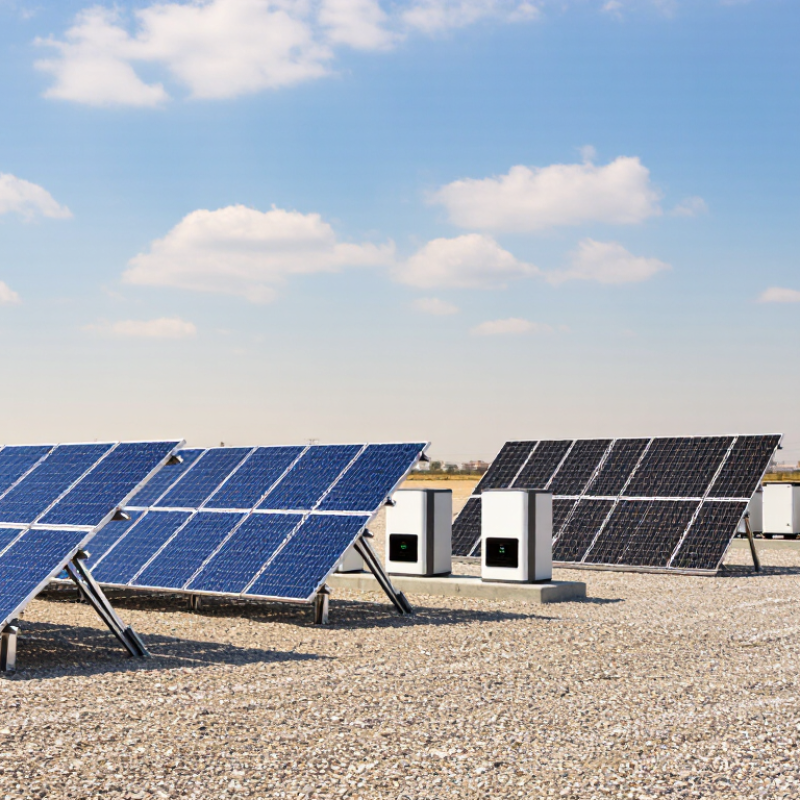
Solar technology is advancing quickly, but “latest” does not mean one universally best panel. For many buyers, the most important changes are happening in commercially available silicon modules. TOPCon and heterojunction designs are gaining ground, while back-contact cells place electrical contacts behind the cell to capture more light. Bifacial panels can also collect sunlight from both sides, especially over bright surfaces such as pale roofs or gravel.
New Solar Power Technology also includes tandem cells, which layer different materials to absorb more of the solar spectrum. Perovskite-silicon tandems have achieved impressive results in research settings, but laboratory performance is not the same as long-term field reliability or broad commercial availability. The picture is not perfectly tidy. A high efficiency figure alone cannot tell you how a system will perform after years of heat, shade, dust, and changing weather.
This guide separates promising innovations from options people can buy and install today. It looks at how cell design, inverters, tracking systems, and battery storage affect real-world output. Small details matter. A homeowner comparing panels should check independently verified performance data, product warranties, installation quality, and expected conditions at the site. Efficiency matters, but so do durability and cost. Technology keeps improving; choosing well still requires careful comparisons and a little skepticism.
How Modern Solar Power Technology Works
What Is the Latest Solar Power Technology?
How Modern Solar Power Technology Works
Modern solar panels turn light into electricity through photovoltaic cells, usually made from silicon. When sunlight reaches a cell, its energy frees electrons inside the material. An internal electric field guides those electrons, creating direct current. No moving parts are needed. The process is quiet, though panel output changes with cloud cover, shade, and temperature.
A home system uses an inverter to convert direct current into alternating current, which household appliances can use. The inverter also tracks changing sunlight to help panels operate efficiently. On a clear afternoon, a rooftop array may produce more electricity than the home needs. That extra power can go to the grid or charge a battery. A battery stores electricity for later; it does not generate more.
Newer designs can capture light from both sides of a panel or combine different light-absorbing materials. Their usefulness depends on the site, installation, and local conditions, not just laboratory results. Even a small patch of shade can affect output, so installers assess roof angles and nearby trees. The numbers on a sunny-day estimate can feel reassuring, but real weather is less tidy. It is worth asking how seasonal production was calculated.
Advances in High-Efficiency Solar Cells
High-efficiency solar cells are improving through better silicon designs and tandem structures. In a tandem cell, a thin perovskite layer sits above silicon, capturing parts of sunlight that silicon alone uses less effectively. The layers work together. NREL’s Best Research-Cell Efficiency Chart records a 34.6% efficiency for a perovskite-silicon tandem research cell. That is a laboratory result, not a rooftop guarantee. The lab number is dazzling, but easy to overread.
Commercial cells are advancing too. The International Technology Roadmap for Photovoltaic’s 2024 edition tracks the shift from PERC silicon cells toward n-type designs, including TOPCon and heterojunction. These architectures can reduce electrical losses and support higher cell efficiencies. For buyers, the practical detail is module output: a few percentage points more efficiency can mean more power from the same roof area. It does not automatically mean more energy on every roof.
Real conditions complicate the promise. Heat, shade, dust, and aging can reduce output, while tandem cells still need proven long-term stability and scalable manufacturing. A clean lab result cannot answer every field question. I would compare independently tested module data, temperature behavior, and warranty terms—not just the headline efficiency—before treating a record cell as a mature product.
New Designs for Solar Panels and Systems
What Is the Latest Solar Power Technology?
New Designs for Solar Panels and Systems
Solar innovation is shifting from single-cell efficiency toward complete system design. TOPCon and heterojunction cells reduce electrical losses, while back-contact designs move wiring behind the cells to capture more light. Bifacial panels also collect reflected light from the rear surface. Their gains depend on spacing, ground color, and installation height. No magic here. IEA PVPS estimated that at least 407 GW of solar capacity was installed worldwide in 2023, showing how quickly new designs must scale.
System upgrades matter just as much. Single-axis trackers turn panels toward the sun, while smarter inverters help manage changing output. Pairing solar with batteries can store midday electricity for evening use, though battery sizing depends on household demand and local conditions. IEA’s Renewables 2024 report projected nearly 600 GW of new solar PV capacity additions in 2024. That growth makes reliable installation and maintenance essential. I still think the newest panel is not always the best choice; roof shape, shade, and repair access can matter more than a laboratory efficiency record.
Tips: Ask for an estimate using your actual roof orientation and shading. Compare expected annual energy, not just panel wattage. Leave clear access for cleaning and inspection. For ground-mounted systems, ask whether reflective surfaces can improve bifacial output.
Solar Cell Technology: Research Efficiency Records
Certified research-cell records show the potential of newer designs, including perovskite-silicon tandem cells. These are laboratory cell efficiencies, not typical commercial panel efficiencies.
Energy Storage and Grid Integration
Modern solar power is increasingly defined by how well panels work with storage and the electric grid. A battery can save midday electricity for evening use, when household demand often rises. Grid-forming inverters can help establish stable electrical conditions in some settings. Forecasting software also helps grid operators anticipate cloud cover and balance solar output with other resources. That matters.
Storage is not a perfect backup. Battery capacity, charging speed, and usable energy differ, so system design should reflect actual evening loads and expected outages. A home might need enough stored power for lights, refrigeration, and communications, not every appliance at once. At grid scale, batteries can respond quickly when supply shifts, but they cannot cover every long period of low solar production. Location matters, too: a congested connection can limit how much power a solar installation sends to the grid. Better controls help, though they do not remove every bottleneck. Forecasts still miss sudden weather changes, and that uncertainty deserves more attention in planning. Safety checks, regular monitoring, and clear operating limits remain essential as storage systems grow.
Current Applications and Technical Challenges
What Is the Latest Solar Power Technology?
Current Applications and Technical Challenges
The latest solar advances combine high-efficiency cells with smarter system design. Rooftop arrays, utility-scale farms, floating panels, and agrivoltaic projects are already in use. Many installations now pair panels with batteries or flexible grid controls. IRENA’s Renewable Capacity Statistics 2025 reports that solar capacity grew by about 452 gigawatts in 2024, reaching roughly 1,865 gigawatts worldwide. That is rapid growth, but capacity does not guarantee power is available when needed.
Solar output changes with clouds, seasons, and daylight. Grid operators must balance these swings, while new projects can face long connection queues and limited transmission capacity. Batteries help shift some electricity into evening hours, but add cost and require careful planning. On farms, elevated panels can shade crops and generate power, yet results depend on crop choice, climate, and panel spacing. One design will not fit every field. Recycling old panels and reducing material supply risks also need more attention.
Tips: Check local sunlight, roof condition, and utility connection options before choosing a system. Ask how storage changes the project’s cost and expected evening output. Small details matter. A sunny site can still be a poor fit if the grid cannot accept its power.
| Technology | Performance and Status | Current Applications | Technical Challenges |
|---|---|---|---|
| TOPCon silicon cells | Commercial high-efficiency crystalline-silicon technology. Typical module efficiencies are roughly 22–24%, depending on product design. | Utility-scale solar farms, commercial rooftops, and residential installations. | Manufacturing complexity and energy use; performance can be affected by heat, shading, and long-term degradation. Cell and module results vary by design and test conditions. |
| Heterojunction (HJT) | Commercial silicon-cell technology, commonly offering module efficiencies in the low-to-mid 20% range. It can perform well at elevated operating temperatures. | Space-constrained rooftops and high-output utility projects; also used in some bifacial module designs. | More demanding production processes and material requirements; manufacturers must manage equipment costs, process control, and durable module encapsulation. |
| Back-contact silicon cells | Commercial cell architecture that places electrical contacts on the rear of the cell, reducing front-side shading. High-efficiency modules commonly reach the low-to-mid 20% range. | Residential and commercial rooftops where high power per unit area is valuable. | Complex cell fabrication and electrical interconnection; performance depends on precise manufacturing and effective heat management. |
| Perovskite–silicon tandem cells | Emerging technology that layers a perovskite cell over silicon to capture more of the solar spectrum. Research cells have exceeded 33% efficiency; large-scale commercial deployment is still developing. | Research and pilot production, with potential for future high-output rooftop and utility modules. | Long-term stability, moisture and heat sensitivity, large-area manufacturing yield, interconnection, and scalable encapsulation remain key challenges. |
| Bifacial modules with solar tracking | Bifacial modules generate electricity from both sides. Trackers orient modules toward the sun; additional energy from rear-side generation depends on ground reflectivity, layout, and shading. | Large ground-mounted solar farms, especially on bright or reflective surfaces. | Higher structural and maintenance complexity; gains vary with site conditions. Wind loading, tracker reliability, row spacing, and rear-side shading require careful design. |
| Thin-film photovoltaic modules | Thin-film technologies, including cadmium telluride and copper indium gallium selenide, are commercially available and generally have lower module efficiencies than leading crystalline-silicon modules. | Utility-scale projects, some building-integrated systems, and applications where particular temperature or form-factor characteristics are useful. | Material supply and recycling considerations; efficiency, durability, and manufacturing scale differ by technology and product. Some material systems require careful end-of-life handling. |
| Floating solar | A deployment method using photovoltaic modules mounted on floating platforms on reservoirs or other suitable water bodies; it does not require a different cell technology. | Reservoirs, water-treatment facilities, and selected industrial ponds, sometimes near existing grid connections. | Platform and mooring durability, corrosion, water-level changes, access for maintenance, ecological impacts, and site-specific permitting. |
| Agrivoltaics | A land-use approach combining solar generation with farming or grazing. System design must balance electricity production, crop or livestock needs, and access. | Farmland and grazing areas where local conditions support compatible agricultural use. | Crop response depends on species, climate, and shading; projects require suitable panel height and spacing, farm machinery access, water management, and careful land-use planning. |
Efficiency figures are approximate ranges and are not directly comparable across different test conditions. Commercial module efficiencies are distinguished from research-cell records.
Related Posts
-
Choosing the Right Manufacturer: How to Identify the Best Solar Panel Solutions in the Market
-
Maximize Your Investment with Best Technology Solar Repair Tips and After Service Benefits
-
Navigating the Future Market Trends of Best Solar Panel Solutions for 2025 and Beyond
-
Quality First: How Best Light Solar is Capturing Global Markets from China
-
Smart Power Solar Innovations to Highlight Opportunities at 2025 China Import and Export Fair
-
2026 How to Maximize Solar Power Efficiency for Global Buyers?