How to Find Quality Transformer Parts for Your Projects?
Finding quality Transformer Parts is crucial for any electrical project. According to industry expert John Harris, "Choosing the right transformer parts can significantly impact the overall performance and safety of your equipment." This insight highlights the importance of sourcing quality components.
In today's market, the availability of transformer parts can vary widely in quality. Many suppliers offer a range of options, but not all parts are created equal. It's vital to distinguish between reliable suppliers and those who prioritize profit over quality. Carefully reviewing specifications and seeking recommendations can lead to better outcomes.
Understanding the specific requirements of your project is essential. Each transformer application may demand different part specifications. Be open to exploring different brands and manufacturers. Gathering insights from professionals and user reviews can help you make informed decisions. Quality transformer parts can elevate your project's efficiency and longevity, ensuring your work stands the test of time.
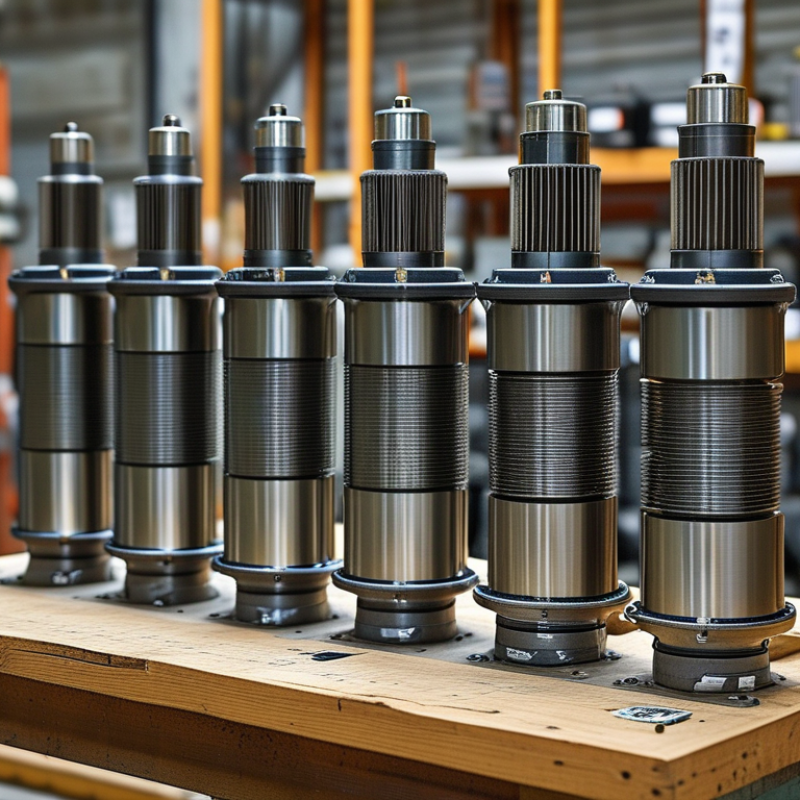
Identifying Reliable Suppliers for Transformer Parts in Your Projects
Finding reliable suppliers for transformer parts is crucial for project success. Start by researching suppliers’ reputations. Look for reviews, ratings, and testimonials. Good suppliers will have transparent communication. They should be open about their manufacturing processes and sourcing of materials. Consider reaching out to industry experts who may provide recommendations.
Evaluate potential suppliers by requesting sample parts. This helps you assess quality firsthand. Inspect the parts for craftsmanship and compatibility with your specifications. Don’t neglect the importance of customer service. Reliable suppliers should be responsive and willing to assist you with any inquiries. It’s also valuable to understand their return and warranty policies.
Building a supplier relationship takes time. Engage with multiple suppliers to compare offerings. This may reveal unexpected strengths or weaknesses. Some suppliers may excel in certain areas but lack in others. Keep records of your interactions. Reflecting on this information can guide future decisions. A thoughtful approach can lead to strong partnerships that enhance your projects.
Understanding the Different Types of Transformer Parts Available in the Market
When searching for quality transformer parts, it is crucial to understand what types are available. Each part plays a unique role in performance and reliability. Core materials, for instance, are key to efficiency. A good core can reduce losses and enhance magnetic performance. Look for parts made from high-quality silicon steel, which have better magnetic properties.
Other important components include windings, which can be either copper or aluminum. Copper windings offer lower resistance and better conductivity. However, they tend to be pricier. Aluminum windings are less costly but may not perform as well under certain conditions. Additionally, insulators are vital for maintaining performance. They must withstand high voltages while preventing short circuits. Testing materials can sometimes reveal flaws. Regular inspections and quality checks can ensure these parts meet your project needs.
Lastly, consider the connectors and terminals. These need to handle the electrical load without overheating. Misselecting these could lead to potential failures. It’s always a teaching moment when you encounter issues due to wrong parts. Over time, you’ll learn to assess quality more accurately. Understanding these elements can improve your projects significantly. Always reflect on what works and what needs improvement.
Evaluating Quality Standards and Certifications for Transformer Components
When selecting transformer parts, understanding quality standards is crucial. Many components are subject to international standards like IEC and ISO. These standards ensure that parts perform efficiently and safely. For example, materials used in transformers must withstand high temperatures and electrical stress. Compliance with these requirements can be verified through certifications.
It’s important to evaluate certifications from recognized bodies. A report by the International Electrotechnical Commission states that certified components have a 30% lower failure rate. However, not all suppliers provide transparent information about their certifications. This lack of clarity can lead to choosing subpar parts that do not meet regulatory standards. Always request documentation to verify compliance.
Some manufacturers may cut costs by using inferior materials. Such practices can affect the lifespan and reliability of transformers. Attention to detail is necessary when assessing suppliers. Quality assurance processes should be a focal point in any purchasing decision. Engaging in discussions with industry professionals can provide insights into reliable sources.
How to Find Quality Transformer Parts for Your Projects?
| Component Type | Quality Standards | Certifications | Country of Manufacture | Expected Lifespan (Years) |
| Transformer Core | IEC 60076 | ISO 9001 | Germany | 20 |
| Insulation Material | UL 1446 | RoHS Compliant | USA | 10 |
| Cooling System | NEMA Standards | ISO 14001 | Japan | 15 |
| Current Transformer | IEEE C57.13 | CE Marking | China | 25 |
| Voltage Regulator | IEC 62040 | Marking of Conformity | South Korea | 18 |
Analyzing Cost vs. Performance Metrics in Transformer Parts Selection
When selecting transformer parts, analyzing cost versus performance is crucial. Studies show that 43% of engineers rank performance as their top criterion. However, budget constraints often lead to compromises. The trade-off between high-quality parts and affordability can impact project success.
A recent report from the Electrical Engineering Institute suggests that investing in superior materials can yield long-term savings. For example, using high-grade copper wire versus standard wire can improve efficiency by 20%. This translates into lower operational costs. While the initial investment may be higher, the lifespan and performance enhancement justify the expense.
It’s important to note that not all components labeled as "high performance" deliver results. A significant percentage of parts fail to meet expected performance benchmarks. Engineers should evaluate suppliers' reliability and production history. Assessing both cost and performance metrics ensures that choices align with project goals. Balancing these factors remains a challenge, but informed decisions lead to superior outcomes.
Utilizing Industry Resources for Research on Transformer Parts Quality
Finding quality transformer parts requires diligent research. Start by exploring industry publications and technical journals. These resources often provide detailed insights into the performance and specifications of various components. Look for articles written by professionals with extensive backgrounds in electrical engineering. This expertise can help you better understand which parts are most reliable and efficient.
Webinars and trade shows are excellent venues for direct engagement with manufacturers and experts. Attend events that focus on transformer technology. This allows you to ask questions and gain firsthand knowledge about product quality. Engaging with industry professionals can reveal valuable information not found in typical online searches.
While online databases can be helpful, verify the sources. Check user reviews and ratings to gauge real-life performance. Sometimes, apparent high ratings might not reflect actual experiences. Looking at forums and discussion groups can also help identify potential pitfalls and common concerns with specific parts. Gaining insights from others can enhance your decision-making process.
Transformer Parts Quality Analysis