How to Choose the Right Solar Power Technology?
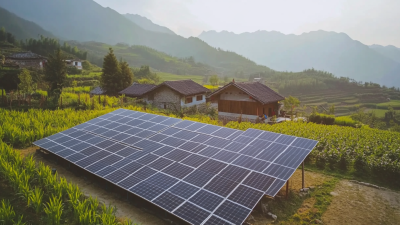
Choosing the right Solar Power Technology begins with the site, not the sales brochure. A sunny roof, a shaded farm, and a remote clinic need different solutions. Roof angle, local climate, electricity demand, maintenance access, and grid reliability all influence the final decision.
The roof matters. A homeowner may prefer high-efficiency monocrystalline panels when space is limited. A large solar farm might prioritize cost, durability, and easier installation. In hot regions, temperature performance deserves close attention because panel output can fall as heat rises. Battery storage may support evening demand, but it adds weight, cost, replacement planning, and safety requirements. Grid-connected systems also differ from off-grid systems, especially when backup power is essential.
Fatih Birol, Executive Director of the International Energy Agency, said, “Solar PV is now the cheapest source of electricity in history.” That statement highlights solar’s economic progress, but price alone cannot select the best system. A cheaper panel may perform poorly in harsh weather or require more frequent maintenance. Costs can mislead. Buyers should compare lifetime energy production, warranties, inverter replacement, installation quality, and local service support. Independent testing and installer credentials can improve confidence, although no technology removes every risk.
This guide examines major Solar Power Technology options and explains where each one performs well. It also questions common assumptions. Maximum efficiency is not always the best value. The most advanced system may be unsuitable for a modest household. Careful choices come from matching technology with real conditions, measurable needs, and a realistic maintenance plan.
Define Your Energy Needs and Solar Project Goals
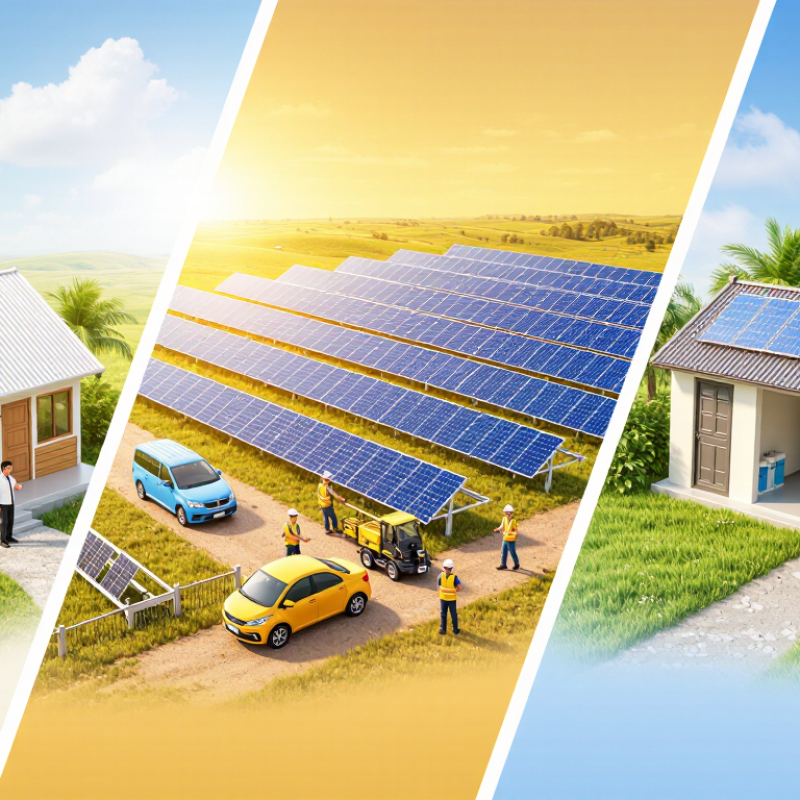
Choosing solar power technology starts with your energy needs, not the newest equipment. Review twelve months of electricity bills and note seasonal peaks. A home using 650 kWh in July may need different planning than one using 300 kWh. Track major loads, including air conditioning, water heating, pumps, and electric vehicles. Measure the timing. A simple energy audit can reveal wasted energy before installation. For better accuracy, compare meter data with appliance ratings and actual running hours.
Define your project goal clearly. You may want lower bills, outage backup, or less dependence on the grid. Each goal can require a different system design. If backup matters, identify essential circuits, such as refrigeration, lighting, internet, and medical equipment. Estimate their combined wattage and required runtime. Battery capacity should follow those figures, not guesswork. A grid-connected system may prioritize annual production, while an off-grid system needs reserve capacity for cloudy weather. Check roof direction, shading, structural condition, and installation space. A tree shadow at 4 p.m. can reduce output more than expected.
Ask a qualified installer for a documented site assessment, production estimate, equipment specifications, warranties, and maintenance requirements. Request the assumptions behind every estimate. Local permitting rules and grid-connection standards also affect feasible choices. I would not treat a computer model as a promise. Weather varies. Compare conservative and typical scenarios. If your usage may change, such as adding a heat pump, include that future demand now. A practical choice should match measured consumption, daily habits, site conditions, budget, and tolerance for uncertainty.
Compare the Main Solar Power Technologies
How to Choose the Right Solar Power Technology?
Compare the Main Solar Power Technologies
Solar technology should match the site, not simply the highest laboratory efficiency. Monocrystalline silicon panels usually provide strong output in limited roof space. Their dark, uniform surface also suits many residential designs. Polycrystalline panels can cost less, but they generally need more area for similar capacity. Actual results depend on shade, roof direction, temperature, and installation quality.
Thin-film modules perform well on large surfaces and can handle some weak-light conditions. They are lighter in certain applications, though their lower efficiency may increase land and mounting requirements. Concentrated solar power uses mirrors to heat a working fluid and produce electricity. It suits regions with intense, steady sunlight and available land. It is less practical for small roofs or frequently cloudy locations.
Check more than rated power. Ask for temperature coefficients, degradation rates, warranty terms, and tested performance data. A site survey should measure shading across different seasons, not only at midday. Dust, snow, salt air, and maintenance access also affect long-term production. A neat spreadsheet can still mislead.
The best choice may involve compromise. Higher efficiency can reduce installation space, while lower upfront cost may require more panels. Storage, grid rules, and local labor costs can change the calculation. Review independent test results and obtain several technically detailed quotations before deciding.
How to Choose the Right Solar Power Technology? - Compare the Main Solar Power Technologies
| Solar Technology | Typical Module Efficiency | Typical Power Density | Temperature Performance | Low-Light Performance | Typical Service Life | Main Advantages | Main Limitations | Best-Fit Applications |
|---|---|---|---|---|---|---|---|---|
| Monocrystalline Silicon | 20%–24% for widely available modules | Approximately 180–230 W/m² under standard test conditions | Good; output generally decreases by about 0.3%–0.4% per °C above the reference temperature | Good, especially when high efficiency is important in variable weather | Approximately 25–35 years, depending on product quality and installation conditions | Highest mainstream efficiency; strong performance where roof or land area is limited; mature supply chain | Usually higher cost than standard polycrystalline modules; performance still declines in high heat and shading | Residential rooftops, commercial rooftops, premium space-constrained projects, and large solar farms |
| Polycrystalline Silicon | 16%–20% for commonly available modules | Approximately 150–190 W/m² under standard test conditions | Good; output generally decreases by about 0.35%–0.45% per °C above the reference temperature | Good, although lower efficiency may require more installation area for the same system size | Approximately 25–30 years | Established technology; generally lower manufacturing complexity and competitive upfront cost | Lower efficiency and larger area requirement than monocrystalline silicon; becoming less common in new installations | Projects with ample roof or land area where initial equipment cost is a major consideration |
| Thin-Film Cadmium Telluride (CdTe) | Approximately 18%–21% for commercial modules | Approximately 160–210 W/m² under standard test conditions | Generally strong performance in hot conditions, with relatively low temperature-related losses | Often performs well under diffuse light and high-temperature conditions | Approximately 25–30 years | Good temperature coefficient; consistent energy production in hot climates; lower material use per watt than crystalline silicon | Lower efficiency than leading crystalline-silicon modules; recycling and material-handling requirements must be managed responsibly | Utility-scale solar farms, hot climates, and sites where land is available |
| Thin-Film CIGS | Approximately 15%–19% for commercial modules | Approximately 130–190 W/m² under standard test conditions | Generally good, with lower heat-related losses than many conventional silicon modules | Good in diffuse-light conditions, although actual results depend on module design and installation | Approximately 20–30 years | Lightweight and flexible form factors are possible; useful for curved, lightweight, or architecturally integrated surfaces | Lower average efficiency; production scale and market availability are more limited than crystalline silicon | Lightweight structures, building-integrated photovoltaics, specialty rooftops, and portable systems |
| Perovskite-Based Solar Cells | More than 25% has been demonstrated in laboratory single-junction cells; commercial module efficiency is not yet broadly standardized | Not yet sufficiently standardized for broad commercial comparison | Long-term heat and moisture stability remains an important development challenge | Potentially strong, particularly in low-intensity and diffuse-light conditions, but field results vary | Commercial lifetime data are still developing; long-term durability is not yet comparable with established silicon products | Very high laboratory efficiency potential; lightweight and tandem designs could improve future performance | Limited commercial availability; durability, encapsulation, scale-up, and lead-management issues require further validation | Emerging tandem modules, research applications, lightweight products, and future high-efficiency systems |
| Bifacial Silicon Modules | Typically similar to the underlying silicon technology, commonly about 20%–24% on the front side | Front-side density is typically about 180–230 W/m²; total energy yield can be higher when rear-side light is available | Depends on the silicon cell technology and module design | Can benefit from reflected and diffuse light reaching the rear side | Approximately 25–35 years | Additional rear-side generation can increase energy yield without increasing the module footprint | Requires suitable ground reflectance, mounting height, spacing, and system design; gains are site-dependent | Utility-scale projects, carports, elevated systems, and sites with bright or reflective ground surfaces |
Note: Efficiency, power density, degradation, temperature coefficient, and service-life figures are typical industry ranges rather than guaranteed values. Actual performance depends on module design, climate, orientation, shading, installation quality, maintenance, and system components.
Evaluate Site Conditions and Available Solar Resources
How to Choose the Right Solar Power Technology?
Evaluate Site Conditions and Available Solar Resources
Choosing solar technology begins with the site, not the equipment brochure. Walk the property during different seasons. A roof may look sunny in June but lose hours of light beneath winter shadows. Record roof direction, pitch, usable area, and nearby trees or buildings. Even a thin chimney shadow can reduce output across several panels.
Use reliable solar maps, but verify them with on-site measurements. Local irradiance, cloud patterns, temperature, wind, and snow affect annual production. Hot modules usually operate less efficiently. Dusty surfaces may need regular cleaning, especially near farms or construction areas. For ground systems, inspect soil stability, drainage, flooding risk, and access for maintenance. A technically impressive system can fail economically on difficult land.
Tips: Measure shade throughout the day. Check the roof after heavy rain. Ask an independent engineer to review structural strength and grid limitations. Compare expected production across seasons, not just peak summer figures. Small details matter. I have seen early estimates look excellent until afternoon shading was included. That mistake is avoidable, though no forecast is perfect. Keep room for uncertainty when selecting the technology and system size.
Assess Efficiency, Costs, Storage, and Maintenance
How to Choose the Right Solar Power Technology?
Efficiency looks attractive on paper, but real performance depends on sunlight, temperature, shading, and roof direction. In field assessments, a slightly less efficient system sometimes produced more energy because it suited the site better. Check independently verified efficiency ratings, degradation rates, and performance during cloudy conditions. Do not trust one impressive number. It may hide important limits.
Cost assessment should include installation, permits, inverters, wiring, monitoring, and replacement parts. A cheaper system can become expensive if maintenance access is difficult. Storage also changes the calculation. Batteries can provide evening power and backup protection, but their capacity, usable output, warranty, and expected cycle life matter. Oversized storage may sit unused for many hours. That is wasteful. Review your hourly energy use before choosing battery capacity.
Tips: Request itemized quotes and compare total ownership costs over ten years. Inspect the roof and wiring before installation. Ask who will service the system and how quickly replacement parts arrive. Clean panels only when dust or bird deposits reduce output. I have seen owners overestimate their savings because they ignored seasonal production. Recheck your assumptions using local sunlight records and recent electricity bills. Perfect forecasts are rare. Practical estimates are safer.
Select the Best Technology for Your Application
How to Choose the Right Solar Power Technology?
Select the Best Technology for Your Application
Choosing solar technology starts with the site, not the product catalogue. Measure roof area, shading, wind exposure, temperature, and electricity demand. A compact commercial roof often benefits from high-efficiency crystalline silicon modules. They produce more power within limited space. Their performance is well documented. The IEA Photovoltaic Power Systems Programme reports that crystalline silicon represents over 95% of today’s global photovoltaic market.
For hot, dusty, or lightweight structures, thin-film technology deserves closer attention. It can perform steadily under diffuse light and may reduce structural loading. However, it usually needs more surface area for the same output. That trade-off can change project economics. On open ground, bifacial modules may capture reflected light from pale soil or gravel. Their value depends heavily on installation height, row spacing, and surface reflectivity. Guessing here is expensive.
Economic comparison should include storage, cleaning, wiring, replacement, and grid connection costs. IRENA’s Renewable Power Generation Costs in 2023 reports that utility-scale solar photovoltaic electricity costs fell to about USD 0.044 per kilowatt-hour globally. That figure is useful, but it is not a promise for every location. Local labor and financing can dominate the result. I also recommend testing production with hourly weather data, not annual averages alone. One overlooked shadow can weaken an otherwise excellent design. Performance assumptions should be challenged before construction.
Related Posts
-
Exploring the Technical Specs of Solar Power Solutions and Their Installation Guide
-
How to Choose Solar Technology for Your Business?
-
Global Market Insights: The Future of Light Solar Solutions in 2025
-
2025 Solar Technology Innovations: Essential Considerations for Global Buyers
-
Advancements in Solar Technology Setting New Industry Production Standards
-
Ultimate Guide to Sourcing the Best Powers Solar Solutions for Your Business