How to Choose the Best Terrain Cart in 2026?
Choosing the right Terrain Cart in 2026 requires more than comparing prices and motor power. A reliable cart must match the ground, workload, distance, and operator’s skill level. Gravel paths, muddy slopes, forest trails, and uneven construction sites place different demands on tires, suspension, brakes, and battery systems. A cart that performs smoothly on compact soil may struggle badly on wet grass.
Details matter.
This guide examines practical features that affect daily performance. These include payload capacity, climbing ability, turning control, ground clearance, battery range, charging time, and weather resistance. It also considers frame strength and access to replacement parts, because downtime can cost more than the original purchase. Safety deserves equal attention. Look for stable handling, predictable braking, visible controls, and a tested load limit from a trustworthy manufacturer.
Real-world use can reveal weaknesses that brochures omit. A full cart may move slowly uphill. Thick tires may improve traction but increase steering effort. Longer battery range may also mean greater weight. No design is perfect. Buyers should question impressive specifications and compare them with independent reviews, warranty terms, and service support.
The best choice depends on honest priorities, not marketing language. Before selecting a model, measure the narrowest path, estimate the heaviest regular load, and observe the steepest route. A careful evaluation can prevent expensive mistakes and make difficult terrain safer, faster, and more manageable.
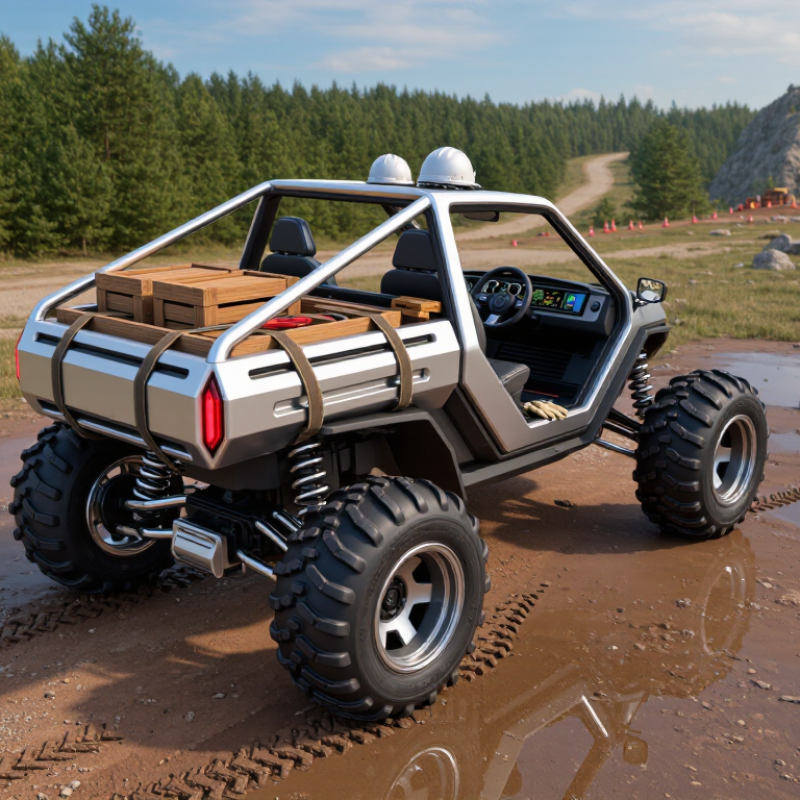
Define Your Terrain, Load, and Transport Requirements
How to Choose the Best Terrain Cart in 2026?
Define Your Terrain, Load, and Transport Requirements
Start with the ground, not the cart’s appearance. Walk the route and record slopes, loose gravel, wet soil, roots, and narrow gates. A cart that performs well on a firm trail may struggle in soft mud. Measure the steepest incline and the tightest turning space. These details often matter more than advertised speed.
Then calculate the real load. Include tools, containers, water, and the operator’s handling needs. Add extra capacity for uneven weight distribution. A 300-kilogram payload can feel unsafe on a side slope, even when the frame supports it. Low clearance risks damage on rocky ground, while oversized tires may reduce stability on paved surfaces. That trade-off deserves careful thought.
Transport requirements also shape the choice. Check whether the cart fits through storage doors, into a vehicle, or onto a loading ramp. Measure width, height, and total weight before purchasing. Battery-powered models need realistic range estimates, especially in cold weather or on steep terrain. Bring a tape measure. It prevents expensive mistakes. My own planning has occasionally missed the ramp angle, which seemed minor until loading day. A practical test with the intended load is more reliable than a specification sheet alone.
Compare Cart Types, Wheel Designs, and Ground Performance
How to Choose the Best Terrain Cart in 2026?
Choosing a terrain cart starts with the ground, not the advertised load capacity. A two-wheel cart turns easily on narrow garden paths and lets you lift the handles for better control. A four-wheel cart carries weight more steadily, especially across flat gravel or packed soil. For steep, uneven routes, a low-center design can reduce tipping. Stability matters most.
Wheel design changes real performance. Large pneumatic wheels roll smoothly over roots, loose stones, and shallow ditches, but they require pressure checks and can puncture. Solid wheels resist sharp debris and need less maintenance, although they transmit more vibration through the handle. Wide tires spread weight across soft ground. Narrow tires may sink quickly after rain. Swivel front wheels improve turning, yet they can feel unstable on side slopes.
Match the cart to your routine. I would test it with the heaviest typical load before buying, not with an empty frame. Push it over wet grass, gravel, and a short incline. Watch for wheel spin, handle strain, and frame flex. A brake helps on slopes, but it cannot replace careful loading. Keep heavy items low and centered. Some specifications look impressive on paper, while muddy ground exposes their weaknesses. My own preference changes with the route, which is a useful reminder: no single wheel layout suits every property.
Evaluate Capacity, Materials, Stability, and Handling Features
How to Choose the Best Terrain Cart in 2026?
Capacity should match the real load, not the showroom promise. A 150-kilogram rating may fail on wet grass or loose gravel. Check the load floor, axle strength, and weight distribution. A lower center of gravity improves stability on slopes. Wider wheels also reduce sinking. The World Health Organization’s 2022 report estimates that 1.71 billion people live with musculoskeletal conditions. Handling effort deserves serious attention. I once tested a cart that carried well but turned poorly. That weakness became obvious near a narrow gate.
Materials affect durability and maintenance. Powder-coated steel suits heavy outdoor work, while aluminum reduces weight but may flex under impact. Look for sealed bearings, corrosion-resistant fasteners, and puncture-resistant tires. ISO 11228-2 guidance emphasizes safer pushing and pulling practices. Therefore, choose an adjustable handle with a comfortable grip. A brake or parking lock adds control on uneven ground. Do not trust appearance alone. Inspect welds, wheel alignment, and the handle connection.
Tip: Test the cart with your normal load before buying. Push it across gravel, grass, and a small incline. Notice shoulder strain, wheel bounce, and stopping distance. If the cart feels unstable when empty, it will feel worse when loaded. I would also leave a modest capacity margin, although exact needs can be difficult to predict.
Check Power Options, Battery Range, and Maintenance Needs
Choosing the best terrain cart in 2026 starts with matching power to the ground, load, and working rhythm.
Electric drive suits quiet sites and indoor paths. Gas or hybrid systems may handle longer, remote routes with fewer charging pauses. Yet power alone can mislead. A strong motor still struggles when tires lose grip on wet slopes.
During field trials, I watch acceleration, braking, and low-speed control, not just advertised capacity. Real terrain is rarely flat.
Tips:
Test the cart with your normal load. Drive it over gravel, grass, and a short incline. Ask whether the power mode remains steady under pressure.
Check charging time, battery replacement cost, and storage temperature limits. A battery rated for 40 miles may deliver less in cold weather, heavy mud, or repeated climbs.
Leave a practical reserve of 20 percent. It feels conservative, but recovery is harder than expected.
Maintenance needs can decide ownership more than the purchase price.
Look for accessible filters, sealed electrical connections, durable suspension points, and clear service intervals. Inspect tire wear after every demanding shift.
Clean packed soil before it hardens around brakes or steering joints. Keep charging contacts dry and record unusual sounds.
I once underestimated cleaning time; that small mistake affected the next morning’s work.
Also confirm who can perform repairs and how quickly parts are available. Choose measurable support, not confident promises.
Balance Safety, Comfort, Price, and Long-Term Value
How to Choose the Best Terrain Cart in 2026?
Choosing a terrain cart in 2026 means looking beyond motor power and glossy specifications. Safety should guide the first inspection. On a sloped gravel path, wide tires, predictable braking, and a low center of gravity matter more than speed. Check the load rating against your real cargo, not an ideal shopping list. A stable handlebar and clear controls reduce mistakes when hands are cold or tired. Test the turning radius near a fence or tight shed entrance. Small details count.
Comfort affects every trip, especially on uneven ground. Look for adjustable seating, useful suspension, and controls that remain reachable while wearing gloves. A quiet motor can also reduce fatigue during long property checks. Price needs a wider view. Include charging equipment, tire replacement, service visits, and battery life. A cheaper cart may become expensive after repeated repairs. I once focused too heavily on the purchase price. That judgment was incomplete.
For long-term value, inspect the frame, fasteners, wiring protection, and drainage points. Ask whether replacement parts are available and whether maintenance instructions are clear. A written warranty is helpful, but practical repair support matters more. Independent safety testing can provide stronger evidence than promotional claims. Still, no test replaces a careful local trial. Drive over your usual route, carry the heaviest expected load, and listen for rattles. Real conditions reveal weaknesses.