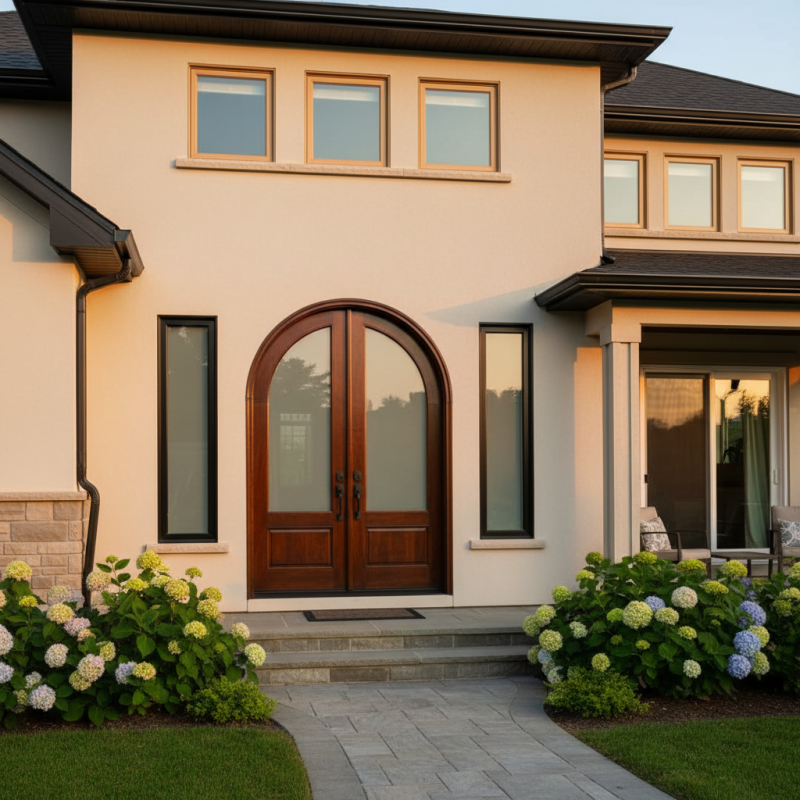
How to Choose the Right Window and Door Options for Your Home?
Choosing the right Window & Door options for your home is essential. These features impact your home's style, energy efficiency, and security. The right choices can enhance curb appeal and comfort.
There are many elements to consider. You must think about materials, styles, and functions. For example, wooden frames offer warmth but require maintenance. Vinyl frames are durable and low-maintenance but may lack character.
Finding the perfect fit can be challenging. You may struggle with color choices or styles that clash with your home’s architecture. It’s also essential to evaluate your budget. Not all beautiful options are affordable. Reflecting on these details can help clarify your needs. Ultimately, the best Window & Door options should reflect both practicality and personal taste.
Understanding Window and Door Types: Key Features and Benefits
Choosing the right windows and doors is crucial for every home. Different types offer unique features and benefits. For example, double-hung windows provide excellent ventilation, allowing fresh air in while keeping the exterior secure. According to a recent report from the National Association of Home Builders, well-chosen windows can improve energy efficiency by 30%.
Sliding doors are another popular option. They create a seamless transition between indoor and outdoor spaces. Many homeowners appreciate the natural light they bring in. However, sliding mechanisms can wear out over time, causing frustration. Regular maintenance is essential to address this issue.
When selecting materials, options range from wood to vinyl and fiberglass. Vinyl windows offer affordability and low maintenance. On the other hand, wooden frames provide aesthetic appeal but require more upkeep. The key lies in balancing budget with long-term value. It's a decision that should not be taken lightly.
Assessing Energy Efficiency Ratings: Choosing Efficient Windows and Doors
When selecting windows and doors for your home, energy efficiency should be a top priority. Many homeowners overlook this aspect. Efficient windows can drastically reduce heating and cooling costs. Look for products with low U-values and high R-values. These ratings indicate how well a window insulates. For instance, double-glazed options are commonly more efficient than single-pane windows.
Door selection is equally important. A solid core door typically offers better insulation than a hollow one. Pay attention to the weather stripping around your doors too. It can wear out and lead to air leaks. Check these areas regularly. Small changes might have significant effects on your home’s energy efficiency.
You might find that aesthetics clash with energy efficiency. Choosing stylish options may leave you with less efficient products. This can be a hard choice to make. But think about long-term savings versus short-term appeal. Analyze the trade-offs carefully. A home that looks good but wastes energy is never a win.
How to Choose the Right Window and Door Options for Your Home? - Assessing Energy Efficiency Ratings: Choosing Efficient Windows and Doors
| Type | Energy Efficiency Rating (U-Value) | Solar Heat Gain Coefficient (SHGC) | Air Leakage Rate | Frame Material | Recommended Use |
| Double Glazed Window | 0.30 | 0.25 | 0.1 | Vinyl | Residential |
| Triple Glazed Window | 0.20 | 0.20 | 0.05 | Wood | Cold Climate |
| Low-E Coated Window | 0.25 | 0.18 | 0.07 | Aluminum | All Climates |
| Fiberglass Door | 0.15 | 0.22 | 0.06 | Fiberglass | Entry Door |
| Steel Door | 0.18 | 0.15 | 0.04 | Steel | High Security |
Material Options for Windows and Doors: Durability and Aesthetics
Choosing the right materials for windows and doors is crucial. Different materials offer varying levels of durability and aesthetics. Wood is a classic choice, providing warmth and elegance. However, it requires regular maintenance to prevent rot and weather damage. Choosing wood means committing to care, which not everyone is ready for.
Vinyl is a popular alternative, offering excellent insulation and low maintenance. It's also available in various colors. But the aesthetic appeal of vinyl may not match that of natural wood. Some people find it less attractive. On the other hand, aluminum is sleek and modern, perfect for contemporary designs. Yet, it can conduct heat. This might affect energy efficiency.
Considering these factors is essential. Each material has its pros and cons. Think about your home's style and your willingness to maintain it. Reflect on how each option fits your budget and lifestyle. The right choice will enhance your home's beauty while providing the durability you need. It's not just about aesthetics; it’s about how well each material meets your needs.
Material Options for Windows and Doors: Durability and Aesthetics
Evaluating Installation and Maintenance Costs: Budgeting for Your Choices
When choosing windows and doors, installation and maintenance costs should be top priorities. A recent industry report reveals that homeowners spend an average of $500 to $1,500 per window for installation. This varies significantly depending on materials and labor costs. Opting for energy-efficient designs can save money in the long run, but upfront costs may be higher.
Regular maintenance also affects your budget. A study showed that poorly maintained windows can lose up to 20% of their energy efficiency. This can lead to increased heating and cooling costs. Setting aside a small monthly budget for upkeep can help prevent larger expenses later.
Tips:
Select materials that require less maintenance to save money over time. Vinyl and fiberglass tend to be good options. Also, consider the long-term savings on energy bills. It might be worth investing more initially for a better product. Reflect on your choices, as the right windows and doors enhance comfort and efficiency—but only if well cared for.
Impact of Local Climate on Window and Door Selection: A Practical Guide
Choosing the right windows and doors is crucial for your home's energy efficiency. Local climate plays a significant role in this decision. According to a report by the U.S. Department of Energy, up to 30% of a home’s heating and cooling energy can be lost through its windows. This highlights the need for careful selection based on regional weather patterns.
In hotter regions, consider options with low solar heat gain. These windows minimize heat—from sun exposure. Double or triple glazing can also improve insulation. Conversely, colder climates benefit from high-performance windows that retain heat. The National Fenestration Rating Council provides valuable ratings for evaluating energy efficiency. Always consult these ratings when shopping.
Tips:
- Assess the average temperatures in your area before making a decision.
- Don’t overlook the importance of proper installation; air leaks can compromise even the best products.
- Reflect on your home’s style and energy needs; choices should meet both aesthetics and performance.