How to Choose Commercial LED Spotlights for Retail and Museums?
When considering lighting for retail spaces and museums, choosing the right technology is crucial. According to lighting expert Emily Carter, “The right commercial LED spotlight for retail and museums can transform an entire environment.” Proper illumination enhances artwork and merchandise, creating an inviting atmosphere for visitors.
Commercial LED spotlights provide flexibility in design and focus, allowing for spotlighting of key displays or features. These lights can highlight textures and colors, making products stand out. However, selecting the wrong type might lead to uneven lighting or harsh shadows that detract from the experience.
Careful consideration of factors such as beam angle, color temperature, and energy efficiency is essential. Retailers and museums must balance aesthetics with functionality. Investing in quality products can yield long-term benefits, but one must also consider the initial costs and maintenance needs. Each choice made regarding commercial LED spotlights affects the overall ambience and visitor engagement.
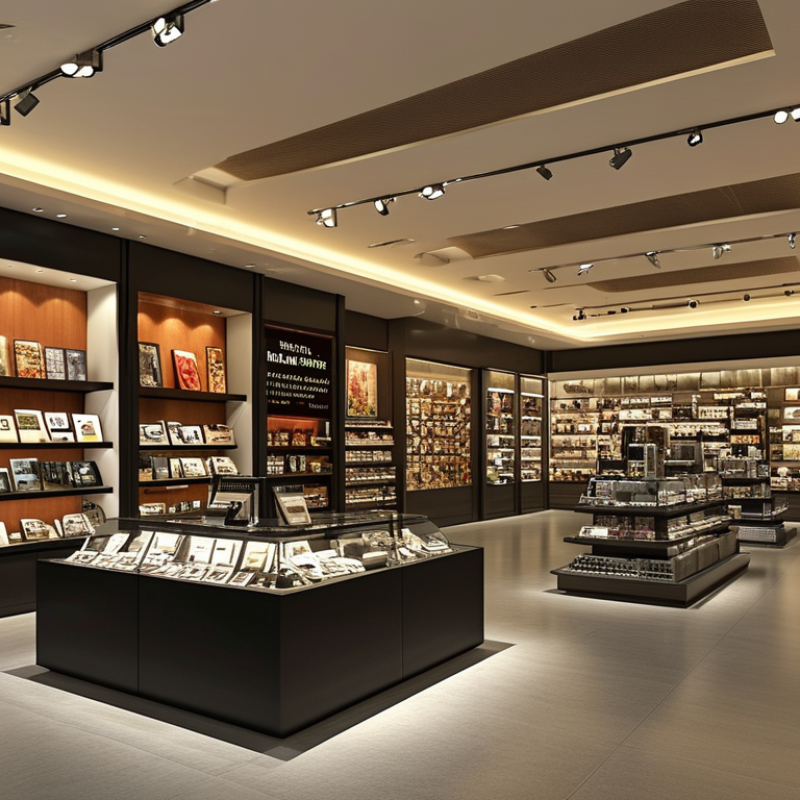
Understanding the Importance of LED Spotlights in Retail and Museums
LED spotlights play a crucial role in retail and museum environments. Their ability to enhance the visual appeal of products and exhibits cannot be overlooked. Proper lighting can draw customers in and create an engaging atmosphere. In museums, LED spotlights help illuminate artwork and artifacts, showcasing their beauty and historical significance.
When selecting LED spotlights, think about design and functionality. Consider the beam angle. A narrow beam can highlight specific areas, while a wide beam provides ambient lighting. Adjust the brightness as needed; too bright can be overwhelming, while too dim may not capture attention.
Evaluate the color temperature of the lights. Warmer tones can create inviting atmospheres in retail spaces. Cooler tones might be better suited for modern, minimalist displays. Check the Color Rendering Index (CRI) to ensure colors appear natural and vibrant. Easy adjustments can significantly impact the overall presentation.
Take time to assess the layout of your space. Think about how spotlights will affect the visibility of products or exhibits. A well-planned lighting scheme can eliminate shadows and create visual interest. Remember, good lighting is not just about brightness; it's about enhancing the experience.
Key Features to Consider When Selecting LED Spotlights
When selecting LED spotlights for retail spaces and museums, understanding key features is crucial. Light output, measured in lumens, greatly influences the ambiance. For instance, a report from the Energy Efficiency Institute states that optimal lumen levels can enhance merchandise appeal by up to 30%. This increase can significantly influence consumer behavior.
Additionally, color rendering index (CRI) is another vital factor. A CRI above 90 ensures that colors appear true to life, which is critical in artistic displays. Many studies indicate that higher CRI can elevate appreciation for art and artifacts by fostering an engaging environment. However, achieving the right balance between lumens and CRI can be challenging. Excessive brightness may detract from the tranquility desired in museums.
Furthermore, the longevity of LED technology stands out. Many commercial LED fixtures boast a lifespan exceeding 25,000 hours. This factor reduces maintenance costs significantly, a crucial aspect for busy retailers and curators. Yet, it’s important to consider the initial investment. Not all high-quality spotlights come with an affordable price tag. Achieving the perfect combination of efficiency, aesthetics, and budget requires thoughtful evaluation.
Assessing the Appropriate Brightness and Color Temperature
When selecting LED spotlights for retail spaces or museums, understanding brightness and color temperature is crucial. Brightness, measured in lumens, greatly impacts the shopping experience. A study by the Lighting Research Center indicates that higher brightness levels in retail spaces can enhance product visibility and encourage purchases. Lumens should be tailored to the setting; typically, 500 to 1,000 lumens works well in retail, while museums may require more focused lighting of around 300 lumens to highlight specific artifacts.
Color temperature affects the ambiance of a space. Measured in Kelvins (K), it influences how colors appear under light. Retail spaces often benefit from a warmer light, around 2700K to 3000K, which creates an inviting atmosphere. Museums, on the other hand, may find that cooler temperatures of 4000K to 5000K better showcase objects in a more neutral light. However, it's essential to avoid overly harsh lighting that could distort colors or detract from the experience.
A careful balance between brightness and color is vital. Test different configurations before finalizing your choice. Consider a mix of warm and cool lights for a dynamic effect. Always observe how your selections affect the atmosphere and the viewer's perception. Adjustments may be needed, so be open to feedback and willing to experiment.
Evaluating Energy Efficiency and Lifespan of LED Spotlights
When selecting LED spotlights for retail and museum environments, energy efficiency and lifespan are critical factors. According to the U.S. Department of Energy, LED lighting can use up to 75% less energy than incandescent bulbs. This significant reduction in energy consumption translates to lower electricity bills and a smaller carbon footprint for businesses.
The lifespan of LED spotlights also deserves attention. Typical LED spotlights can last between 25,000 to 50,000 hours, vastly outpacing traditional lighting options. This longevity means fewer replacements, leading to decreased maintenance costs. However, it's important to consider that not all LED products are created equal. Some may degrade in performance over time, affecting light quality.
One must also reflect on the initial cost of high-quality LED lighting. While initial investments might be higher compared to other lighting choices, the long-term savings often justify the cost. Quality matters in longevity. Poor choices can lead to disappointing lifespans and unsatisfactory lighting in displays. Balancing upfront costs with durability and performance can be challenging for retailers and museum curators alike.
How to Choose Commercial LED Spotlights for Retail and Museums?
| Feature | LED Spotlight A | LED Spotlight B | LED Spotlight C |
| Wattage | 15W | 20W | 30W |
| Luminous Flux (Lumens) | 1200 lm | 1600 lm | 2400 lm |
| Color Temperature (Kelvin) | 3000K | 4000K | 5000K |
| Lifespan (Hours) | 25,000 | 30,000 | 50,000 |
| Energy Efficiency (lm/W) | 80 | 80 | 80 |
| Dimmable | Yes | No | Yes |
| Price (USD) | $35 | $45 | $60 |
Tips for Installation and Positioning of LED Lighting in Spaces
When planning the installation of LED spotlights in retail and museum spaces, attention to positioning is crucial. Research indicates that properly positioned lighting can increase product visibility by up to 30%. Retail spaces particularly benefit from focused light, drawing attention to specific displays. In museums, lighting can enhance artwork while minimizing damage. A study from the International Council of Museums suggested that poor lighting can fade colors and degrade materials over time.
Consider the angle of the spotlight. Position lights at 30-degree angles for optimal illumination. This helps to create shadows that add depth, making art more appealing. Aim for a balance; too much light can wash out details. According to industry standards, the recommended luminosity level for gallery spaces ranges from 100 to 300 lux, depending on the sensitivity of the exhibits.
Reflect on the color temperature of the LEDs as well. Warmer tones between 2700K to 3000K create a welcoming atmosphere. Cooler tones, around 4000K, enhance the details in artworks but can feel stark. Ensure to test different configurations. Each space is unique. Consider creating zones within your installation. This offers flexibility in presentation while catering to different pieces. Less-than-perfect setups might require adjustments after the initial installation, allowing for a more refined approach over time.