Why Choose a Race Bike for Speed and Performance?
A Race Bike is built to turn effort into forward motion with less waste. Its narrow tires, stiff frame, dropped handlebars, and close-fitting riding position are designed for speed, control, and efficient power transfer. The difference is tangible. Yet speed depends on more than the frame: rider fitness, bike fit, road surface, wind, and pacing all matter.
The Tour de France’s official 2024 results record Tadej Pogačar’s winning average speed at about 41.8 km/h across the race. That figure shows what elite riders can achieve on race equipment, but it is not a promise of everyday performance. Conditions, course profile, team tactics, and rider ability shape the result. Numbers need context. The UCI’s technical regulations also set requirements for competition bicycles, including a 6.8-kilogram minimum weight for road bikes. Those rules help explain why race-bike design balances lightness with safety and compliance, rather than pursuing speed at any cost.
For recreational riders, the benefits are usually more practical: responsive acceleration, a purposeful riding position, and a bike that feels precise when the road rises or bends. Still, a race-focused fit may feel demanding on long, relaxed rides. That trade-off is easy to overlook. Choosing a Race Bike makes sense when its handling and performance suit your goals, body, and typical routes—not simply because professional riders use one. A test ride can reveal more than a specification sheet, and it may also show where comfort needs improvement.
What Defines a Race Bike?
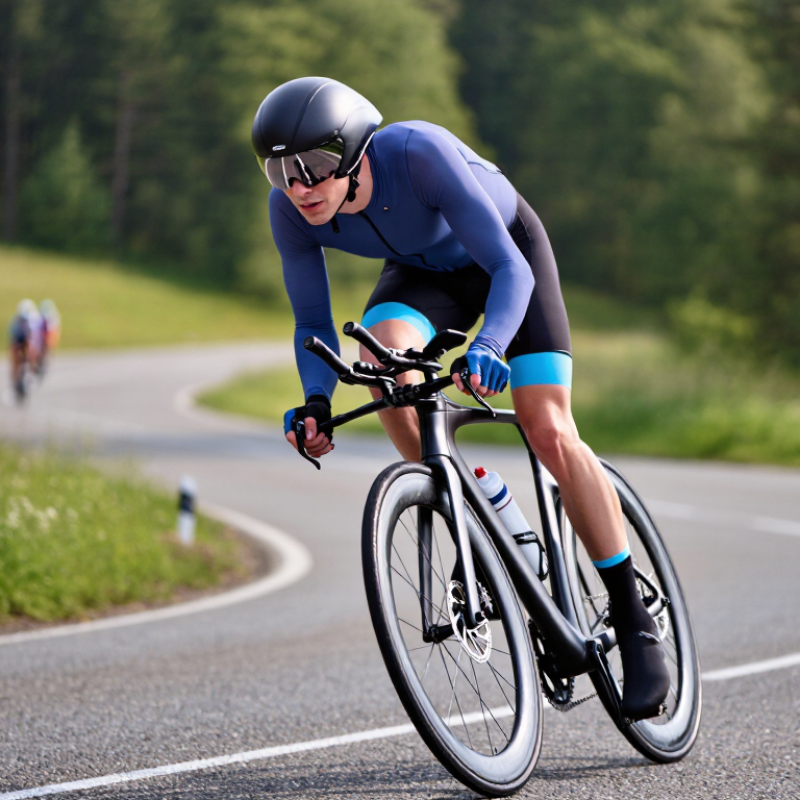
A race bike is defined less by one component than by a system built to transfer effort efficiently. Its frame is usually light and stiff, so hard pedaling produces a quick response. Geometry often places the rider in a lower, longer position, reducing frontal area and helping maintain speed. The fit must still suit the rider; an aggressive posture that causes pain can cost more power than it saves. Fast, not magical.
Narrow tires, a close-fitting cockpit, and gearing suited to high speeds are common features, though details vary by course and rider. Modern tires can provide useful grip without being extremely narrow, and wider options may feel steadier on rough pavement. Brakes need predictable control, especially when a fast descent meets a tight corner. I’ve found that small setup choices matter: a saddle set too high can make each pedal stroke feel awkward. Race bikes prioritize pace and responsiveness, but comfort, handling, and fit remain part of performance. A bike that feels sharp on smooth roads may seem harsh after an hour on broken asphalt.
Why Choose a Race Bike for Speed and Performance?
What defines a race bike? High gearing can deliver more distance per pedal stroke. This chart shows the theoretical speed of selected road-bike gear combinations at a steady 90 rpm cadence, assuming a 2.1 m wheel circumference. Actual speed depends on factors such as terrain, wind, and rider effort.
Speeds are calculated from gear ratio × cadence × wheel circumference; they are illustrative, not measured performance results.
How Race Bike Design Reduces Weight and Air Resistance
A race bike reduces weight through deliberate choices, not magic. A light frame uses carefully shaped tubes and material placed where loads are highest. Carbon fiber can offer a strong, light structure, while well-designed aluminum frames can also keep weight controlled. Every gram saved helps during repeated climbs, though shaving weight from small parts may matter less than choosing a sound frame and wheels.
Air resistance is often the bigger challenge on fast, flat roads. A low riding position presents less area to the wind, and a narrow front profile can help air flow around the bike. Smooth tube shapes, tucked cables, and deep-section wheels may reduce turbulence, but their gains depend on speed and conditions. Small details matter. Even a loose jacket can catch the wind.
The rider’s fit is part of the design. Handlebars set too low may make a long ride uncomfortable, while a stable position can help maintain power. Narrow tires are not automatically faster; pressure, road texture, and tire construction all affect rolling resistance. A practical test is to compare comfort and speed on the same familiar route. One trade-off remains: the lightest setup may feel less forgiving over rough pavement.
How Race Bikes Support Precise Handling and Efficient Power Transfer
A race bike is designed to respond clearly when a rider changes direction or shifts position. Its geometry often places the rider in a forward, engaged posture, while a relatively short wheelbase can make steering feel quick. On a winding road, small pressure changes through the handlebar can guide the front wheel through a bend. The response is precise, but it may feel nervous on rough pavement. Fit matters.
Efficient power transfer comes from the whole setup, not frame stiffness alone. A well-fitted position helps the rider apply force smoothly through each pedal stroke. Appropriate gearing keeps cadence manageable on climbs, while properly inflated tires reduce unnecessary rolling resistance without making the ride harsh. During a hard acceleration, a firm-feeling frame can help the bike feel direct beneath the rider. Not magic. Tire choice, maintenance, and technique still count.
On a short rise, a rider may notice that the bike responds quickly when standing and increasing effort. Yet that same sharp response can expose uneven pedaling or a tense grip. A race bike rewards controlled inputs, but it does not correct poor fit or make every road comfortable. The best handling comes when the rider can stay relaxed, see through a corner, and adjust speed before entering it.
Who Benefits Most from Choosing a Race Bike?
Race bikes benefit riders who value quick acceleration, efficient climbing, and precise handling. They suit racers, disciplined training riders, and people who regularly join fast group rides. On a rolling road, a lighter frame and responsive position can make it easier to hold speed after a short climb. Small gains matter when the pace stays high.
The fit is less forgiving than on many endurance-focused bikes. A low handlebar position may feel efficient for a flexible rider, but uncomfortable during a long commute or after hours in the saddle. Before choosing one, consider how your back, neck, and hands feel during a test ride. Even a brief ride can reveal pressure at the wrists or cramped breathing. Fit matters more than a number on a scale.
A race bike can also suit experienced riders who enjoy lively steering and have smooth, predictable roads nearby. It may be a poor match for rough streets, frequent cargo, or relaxed weekend rides. Wider tires can soften bumps, but they do not change the bike’s basic character. And honestly, speed is not always the main need. Some riders choose a race bike for its sharp response, then discover they would rather sit upright and notice the scenery.