How to Build a Prefab Container House in 2026?
Building a Prefab Container House in 2026 offers a modern solution to housing needs. Prefab homes are gaining popularity due to their affordability and speed of construction. With innovative designs and eco-friendly materials, these homes can transform communities.
To start, it's essential to choose the right container. Not all containers are suitable for living spaces. Some may have structural issues or harmful residues. It's crucial to inspect these before purchase. Additionally, consider the layout carefully. A well-planned design maximizes space and comfort, but this requires thoughtful planning.
While many aspects of building a Prefab Container House are straightforward, challenges arise. Local zoning laws may complicate the process. Moreover, finding reliable contractors can be tough. These factors require research and patience. Constructing a container home is a rewarding journey, but it can also be a lesson in resilience and adaptability.
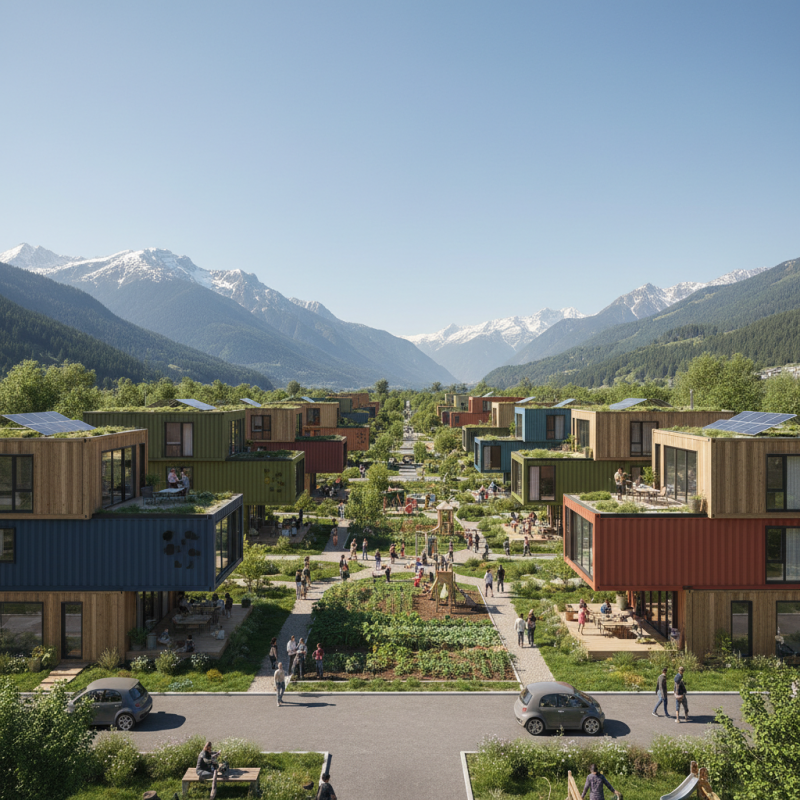
Understanding Prefab Container Houses and Their Advantages in 2026
Prefab container houses are gaining popularity in 2026. These homes offer flexibility and sustainability. They can be assembled quickly. This makes them an excellent choice for modern living.
One major advantage is the cost-effectiveness. Building with containers typically requires less material than traditional homes. This can significantly reduce expenses. Additionally, they are environmentally friendly. Using recycled materials helps minimize waste. You can also customize your container home to fit your style. Design options are diverse and can suit various needs.
Tips: Consider the location before building. Research zoning laws in your area. Make sure the site is suitable for a container house. Also, focus on insulation. Proper insulation will keep your home comfortable in various climates. While prefab containers are robust, think about aesthetics. They can look industrial, but adding elements like wood or plants can enhance their charm.
Key Materials and Technologies in Prefab Container Construction
Building a prefab container house in 2026 can be an exciting venture. Key materials are crucial for this process. Steel is the backbone of the container itself. It offers strength and durability. Insulation materials, like foam boards, help regulate temperature. Proper insulation is essential for energy efficiency. Windows and doors made from tempered glass can enhance natural light. They also improve thermal performance.
Technology plays a vital role too. 3D modeling software allows for accurate designs. This software can highlight potential issues before construction begins. Solar panels can be integrated into the roof. They provide renewable energy, reducing utility costs. Advanced framing techniques can maximize space and minimize waste. However, there may be challenges. Sourcing sustainable materials can be difficult. Transporting containers to remote locations often adds complications. Each project has its own hurdles, needing careful planning.
Step-by-Step Guide to Designing Your Prefab Container Home
Designing your prefab container home requires careful planning and creativity. Start by selecting a suitable site. Consider factors like sunlight, wind direction, and privacy. A good flat surface will save time and cost in construction. Sketch your initial ideas on paper. Visualizing helps refine your vision.
Next, focus on insulation and structural integrity. Container walls can be thin, so adding insulation is crucial for comfort. Choose materials that balance aesthetics and durability. Don't overlook windows and doors; they can transform your space. Think about natural light. Large windows can make a small place feel bigger.
Be prepared for challenges along the way. Not all designs will work perfectly. Some spaces may feel cramped, or the layout may not flow as expected. Revisit your plans regularly. Flexibility in design can lead to better outcomes. Each decision brings you closer to creating a unique and cozy home.
Cost Analysis: Budgeting for a Prefab Container House in 2026
Building a prefab container house in 2026 requires careful budgeting. The initial investment involves several key components. First, you need to purchase the containers, which may vary in price. A standard container can range from $1,500 to $5,000. Additional costs come from modifications like insulation, plumbing, and electrical work. These enhancements can often double the container's initial cost.
Next, consider site preparation, which is essential. Land clearing, foundations, and utilities add significant expenses. Soil testing may uncover unexpected needs, like drainage solutions. It’s wise to allocate around 10-20% of your budget for unplanned costs. Many overlook this, leading to financial strain later.
Finally, don't forget permits and inspections. These can be time-consuming and costly. Fees vary by location, so research local regulations early. Investing time upfront can save money down the road. Be prepared to adjust your plans as costs can escalate quickly. Thoughtful planning and budgeting are critical for success in building this unique home.
Sustainability and Energy Efficiency in Modern Container Homes
Sustainability is a key focus in modern container homes. These structures can be designed to minimize their carbon footprint. Use recycled materials whenever possible. For instance, reclaimed wood for flooring or old shipping palettes as furniture can enhance your indoor aesthetic while being eco-friendly.
Energy efficiency is also crucial. Incorporating solar panels can greatly reduce electricity bills. Windows should be placed strategically for natural light, reducing the need for artificial lighting. Insulation is essential too. Poorly insulated homes lead to energy waste. Reflective roofing can also help maintain a stable indoor temperature.
Building a container house isn’t without challenges. Some may overlook ventilation needs, leading to stuffy spaces. Others might underestimate the importance of water management systems. Proper drainage is vital to prevent mold issues. It's essential to learn from these missteps to create a truly sustainable living space.
How to Build a Prefab Container House in 2026? - Sustainability and Energy Efficiency in Modern Container Homes
| Aspect | Description | Importance | Estimated Cost (USD) |
| Materials | Use of recycled steel and sustainable wood | High | 15,000 |
| Insulation | High-performance insulation materials | Critical | 5,000 |
| Energy Systems | Solar panels and wind turbines | Very High | 20,000 |
| Water Management | Rainwater harvesting and greywater recycling | High | 8,000 |
| Architectural Design | Open floor plans and natural lighting | Medium | 7,000 |
| Smart Home Technology | IoT devices for energy management | Increasingly Important | 4,000 |
| Landscaping | Native plants and xeriscaping | Moderate | 3,000 |