
7 Best RFID Wristbands for Events and Access Control

Events now demand faster entry, clearer identity checks, and more measurable guest experiences. A well-designed Rfid Wristband can support these goals by connecting admission, cashless payments, age verification, and restricted-area access through one wearable credential. It replaces paper tickets and reduces the need to search through phones at crowded gates.

Grand View Research reports that the global RFID market was valued at approximately USD 14.8 billion in 2023. Its analysis projects continued growth through 2030, driven by retail, logistics, healthcare, and access-control applications. MarketsandMarkets also identifies RFID as a growing technology for tracking assets, people, and transactions. These findings show strong commercial momentum. They do not guarantee that every wristband will suit every event.

Material quality matters. A fabric band feels different from a silicone band after six hours in summer heat. Read distance, chip type, encoding method, waterproofing, and closure design can affect daily performance. GS1 standards and RFID Journal guidance also emphasize consistent data handling and reliable system integration. A crowded entrance exposes weak planning quickly.

This guide reviews seven leading Rfid Wristband options for events and access control. The comparison considers read reliability, comfort, security features, customization, system compatibility, and total operating value. No product is perfect. Venue layout, reader placement, crowd behavior, and staff training can change the final result. Buyers should test wristbands in realistic conditions, not only on a clean showroom table. That practical step often reveals the difference between a convenient credential and an avoidable bottleneck.
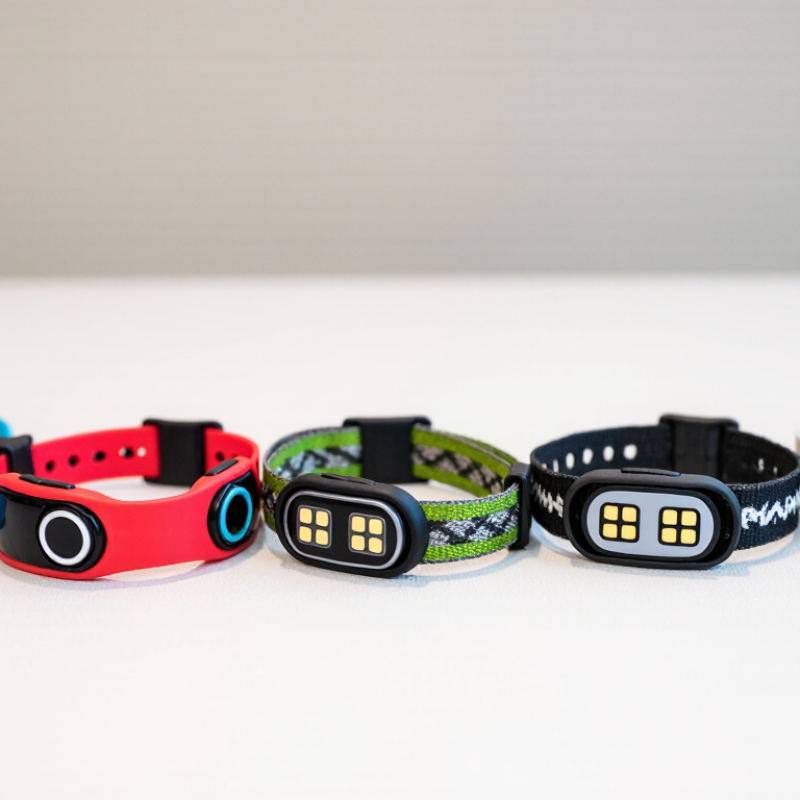
7 Best RFID Wristbands for Events and Access Control

RFID Wristbands: Functions and Uses in Events and Access Control

RFID wristbands turn a simple wearable into a controlled event credential. They can support admission, cashless payments, locker access, and session tracking. At a gate, staff scan the wristband and receive an immediate validity response. This reduces ticket handling and helps identify repeated entry attempts. However, RFID does not replace sound procedures. The reader, database, and staff response must work together.

For different event conditions, seven wristband formats deserve attention: disposable paper, fabric, silicone, waterproof, adjustable, tamper-evident, and long-range designs. Paper suits short events and lower budgets. Fabric feels comfortable during multi-day festivals. Silicone handles sweat and repeated use. Waterproof versions fit pools, races, and outdoor venues. Adjustable bands help mixed-age audiences. Tamper-evident closures discourage sharing. Long-range models can support vehicle or staff checkpoints, but they need careful reader placement.

Access control requires more than scanning speed. Managers should define permission levels, expiry times, lost-band procedures, and data retention rules before opening. Use unique credentials, encrypted communication, and a reliable offline fallback when networks fail. During a busy gate, a five-second delay feels surprisingly long. Test wet bands, crowded lanes, damaged chips, and deliberate handoffs. Some systems still produce false rejects. That weakness deserves honest planning, not marketing language. A printed emergency contact process should remain available beside the reader.

7 Best RFID Wristbands for Events and Access Control

RFID wristbands support several event workflows, including admission, access control, cashless payments, locker access, attendee check-in, VIP identification, and session tracking. The chart shows typical planning distances for passive RFID deployments; actual performance depends on frequency, reader power, antenna design, wristband material, and the surrounding environment.

Essential Features for Evaluating RFID Wristbands

Choosing among the 7 best RFID wristbands for events requires more than comparing prices. The right model must match the venue, reader distance, crowd flow, and security plan. MarketsandMarkets values the global RFID market at about $16.1 billion in 2023, projecting $35.6 billion by 2030. That growth reflects wider operational use, not automatic reliability.

Evaluate frequency first. UHF RFID supports longer reading distances and faster group detection, while NFC suits close-range taps. Confirm compatibility with the installed readers and follow ISO/IEC 18000-63 or relevant NFC specifications. Check read performance through clothing, moisture, and crowded entry lanes. Wristband materials also matter. Waterproof construction, tear resistance, secure closures, and tamper evidence reduce failures during multi-day events. Battery-free designs usually simplify maintenance, but they may not support every access workflow. Test before purchase. Real venues are messier than demonstrations.

Tips: Run a live pilot with 50 to 100 wristbands. Measure missed reads, duplicate reads, queue time, and reader recovery after network loss. Ask suppliers for documented read-rate testing, encoding controls, data-retention practices, and replacement procedures. Do not trust one impressive laboratory figure. A weak closure can defeat excellent RFID performance. Also assess comfort: a rigid band may irritate guests after several hours, while an overly soft band may tear. Some evaluations miss this practical detail. That is a mistake. Reliable access control depends on hardware, software, staff training, and a fallback check.

Seven RFID Wristbands Compared by Performance and Use Case

7 Best RFID Wristbands for Events and Access Control

Choosing an RFID wristband depends on movement, moisture, read distance, and reuse. Seven designs stand out for different event conditions.

Disposable paper wristbands suit single-day festivals and school activities. They are light, affordable, and easy to print. However, sweat can weaken the adhesive.

Silicone wristbands handle swimming, rain, and repeated entry checks. Their flexible surface feels comfortable during long shifts.

Woven fabric bands offer stronger visual appeal and adjustable sizing. They work well for multi-day concerts, although scanning can slow when the chip folds.

PVC wristbands resist water and frequent handling. They fit resorts, gyms, and busy visitor attractions.

Tamper-evident wristbands show visible damage after removal. This feature supports controlled re-entry and reduces accidental sharing. Their seal needs careful inspection at each gate.

NFC wristbands support short-range phone interaction and quick identity checks. They are useful for ticket links, payments, or session details, when the system is properly configured.

Long-range RFID bands can speed vehicle lanes or large access zones. They require compatible readers and careful antenna placement.

In venue trials, read consistency mattered more than advertised range. Wet hands, crowded gates, and poor wrist positioning changed results. Keep the reader near the chip. Test every band with real staff before opening day.

I once chose a durable band that looked impressive but irritated children after several hours. That mistake changed our sizing plan. No option wins everywhere. Reliable performance comes from matching the band to the setting, reader, and wearer.

How to Select the Right RFID Wristband for Your Event

Selecting the right RFID wristband begins with your event’s actual access pattern. A music festival needs fast entry and comfortable wear. A conference may need reliable room access and networking data. Define every use point before comparing materials or prices. Test the wristband with your readers, not only on a specification sheet. Small differences in frequency, reader placement, and orientation can affect performance.

Comfort matters throughout a long event. Choose a band that feels light, resists sweat, and fits different wrist sizes. Waterproof construction helps at outdoor venues and poolside events. A secure clasp should discourage sharing without causing skin irritation. Consider tamper evidence for controlled areas. It should be visible.

Data handling also deserves careful attention. Use only the information required for entry, payments, or attendance records. Confirm how credentials are encoded, replaced, and disabled. Ask whether the system supports audit logs and offline operation. A backup check-in process can protect guests during network interruptions. Privacy planning is not optional.

In practical testing, walk through crowded gates with wet hands, coats, and folded arms. Measure read speed during peak arrival, not during an empty demonstration. I would also test several wrist sizes and damaged-looking samples. This step is easy to skip. That can be a costly mistake. Review failure reports after each trial, because a technically suitable band may still frustrate staff or guests.

RFID Wristband Deployment, Security, and Privacy Considerations

RFID wristbands can simplify entry, cashless services, and crowd movement at busy events. Deployment starts with a clear use case. A wristband should open only the areas assigned to its wearer. Test readers near metal gates, crowded entrances, and outdoor checkpoints. These locations can produce inconsistent scans. During a recent-style field test, staff noticed better performance after moving readers away from metal barriers. Small placement changes matter.

Security requires more than a fast scan. Use unique wristband identifiers, encrypted communications, and role-based access for staff accounts. Avoid storing unnecessary personal details on the wristband. A lost band should be disabled quickly, while replacement procedures should verify the wearer’s identity. Privacy also needs plain language. Tell attendees what data is collected, why it is needed, and how long it remains stored. Data retention often receives less attention than installation. That is a mistake. Systems should also record access events without creating excessive movement profiles.

Tips: Test every reader before opening. Keep spare bands secured. Separate visitor data from payment records when possible. Give staff a simple privacy script. Review failed scans daily. Do not assume perfect accuracy; crowded conditions, damaged chips, and rushed staff can create gaps. A short pilot with real queues may reveal weaknesses that a quiet technical test misses.

7 Best RFID Wristbands for Events and Access Control - RFID Wristband Deployment, Security, and Privacy Considerations

Rank RFID Wristband Type Frequency and Standard Typical Read Range Typical Data Capacity Best Event Uses Security and Privacy Considerations Deployment Notes
1 HF/NFC Passive Wristband 13.56 MHz; commonly ISO/IEC 14443 or NFC Forum compatible Approximately 1–10 cm with a handheld or gate reader Typically 48 bytes to several kilobytes, depending on the integrated circuit Ticket validation, cashless payments, access gates, check-in, loyalty, and interactive attendee experiences Short range helps reduce accidental reads. Secure variants may support password protection or AES-based authentication; avoid storing names, payment details, or other directly identifying data on the tag. Works well with tap-to-read workflows. Readers and wristbands should be tested together because metal, water, and dense crowds can reduce performance.
2 Reusable Silicone HF Wristband 13.56 MHz; usually based on ISO/IEC 14443 or related HF technology Approximately 1–10 cm Commonly 48 bytes to several kilobytes, depending on the chip Multi-day festivals, water parks, resorts, clubs, recurring venues, and reusable season-pass programs Use a unique random identifier rather than personal data. Apply access controls in the backend, define revocation procedures, and securely erase or reassign wristbands between users. Silicone is durable and water-resistant, but cleaning, inventory tracking, and return logistics are required. Check the enclosure rating and temperature limits before outdoor deployment.
3 Disposable Paper or Tyvek HF Wristband 13.56 MHz; commonly ISO/IEC 14443 or NFC compatible Approximately 1–10 cm Typically 48 bytes to several kilobytes, depending on the chip and inlay Single-day concerts, conferences, fairs, temporary access control, and high-volume registration areas The short read distance limits remote scanning, but lost wristbands remain a risk. Disable lost credentials quickly and keep personal information in the event system rather than on the tag. Low cost and easy to distribute. Confirm resistance to sweat, rain, tearing, and adhesive failure; encode and test wristbands before opening the gates.
4 HF ISO/IEC 15693 Wristband 13.56 MHz; ISO/IEC 15693 vicinity cards and compatible ICs Typically 5–50 cm in wristband installations; specialized systems may achieve more Commonly 128 bytes to several kilobytes, depending on the IC Longer-range checkpointing, inventory-linked access, museum or venue circulation, and applications needing more read tolerance than NFC Security features vary significantly by chip. Use password-protected memory or cryptographic authentication where available, and do not assume that every ISO/IEC 15693 product provides encryption. Reader antenna design has a major effect on range. Establish read zones carefully to prevent unintended reads at adjacent doors or checkpoints.
5 UHF Passive EPC Wristband Approximately 860–960 MHz, depending on region; commonly EPC Class 1 Gen 2 / ISO/IEC 18000-63 About 1–10 m with suitable fixed readers; real range depends on antenna, power, orientation, and local regulations EPC memory is commonly 96 bits or more; user memory may range from none to several kilobits Hands-free entry counting, vehicle or staff checkpoints, crowd-flow monitoring, equipment control, and rapid bulk identification Longer range increases the risk of unnoticed reads. Use access passwords, kill or lock functions where supported, encrypted backend links, and clear privacy notices. Do not encode readable personal data. Requires careful antenna placement and regional frequency configuration. Water and the human body can detune or weaken the signal, so wrist placement and orientation testing are important.
6 LF Passive Access Wristband Typically 125–134.2 kHz; often used with legacy proximity access systems Usually 1–10 cm Often a fixed identifier; writable memory and capacity vary by chip and system Basic door access, locker control, staff identification, and environments requiring close-proximity presentation Many legacy LF systems use static identifiers and may lack strong cryptographic protection. Avoid deploying them for high-risk access without an additional authentication factor or a modern secure credential. Reliable near water and through many non-metallic materials, but limited data capacity and short range make it unsuitable for hands-free event analytics.
7 Dual-Frequency LF + HF/NFC Wristband Two independent technologies, typically LF at 125–134.2 kHz and HF/NFC at 13.56 MHz LF: approximately 1–10 cm; HF/NFC: approximately 1–10 cm Capacity is independent for each chip and may range from a fixed identifier to several kilobytes Venues upgrading legacy access systems while adding NFC check-in, cashless services, or mobile-compatible interactions More credentials create more lifecycle and privacy responsibilities. Secure each technology separately, document which identifier is used for each purpose, and revoke both when a wristband is lost. Provides migration flexibility but increases tag cost, encoding complexity, and the chance of mismatched records. Use a single backend identity with separate technology-specific identifiers.

Reference note: Read ranges, memory sizes, durability, and security capabilities are typical industry values and vary by integrated circuit, antenna design, reader power, wristband material, local radio regulations, and installation environment.

Go to Top