
10 Best Generator Sets for Every Power Need
Choosing the right Generator Sets starts with the work they must perform, not the largest number on a product label. A refrigerator, sump pump, and several lights need a different setup from a construction crew running tools all day. List essential equipment, check each item’s starting and running wattage, and allow room for simultaneous use. That matters.
Fuel type, runtime, and maintenance needs can shape the choice just as much as output. Portable gasoline models may suit occasional tasks, while diesel or natural-gas systems can fit longer operating schedules or fixed installations. No option is perfect. Fuel availability, storage, service access, and local noise limits all deserve a practical check before purchase. A generator that looks ideal on paper may be inconvenient beside a bedroom window or far from its fuel supply.
This guide compares ten generator sets for different power needs, from home backup to demanding worksite use. It considers capacity, portability, fuel, operating features, and likely applications, while recognizing that specifications vary by model and configuration. Small details count. Review the manufacturer’s manual for operating limits, placement, and maintenance intervals, and consult a qualified installer for fixed electrical connections. The best match is the one that handles essential loads reliably without adding unnecessary cost or complexity. There is room for judgment: a little extra capacity can help, but buying far beyond the real load may not be worthwhile.
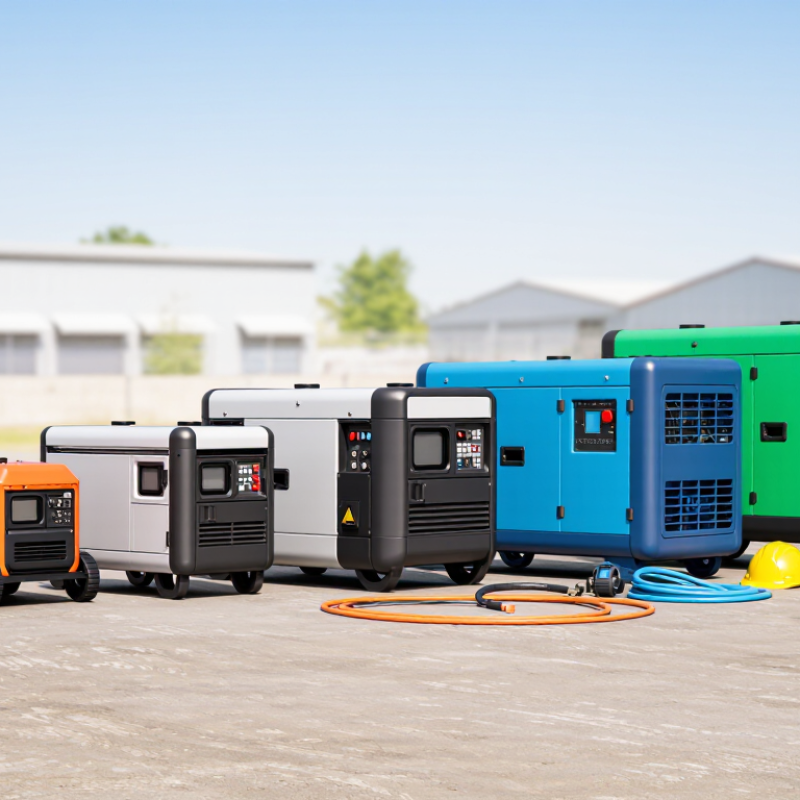
Generator Set Basics: Types, Capacity, and Common Applications
Generator sets pair an engine with an alternator to produce electricity when utility power is unavailable or impractical. Portable sets suit temporary needs, such as powering tools at a remote worksite. Standby units remain connected to a building’s electrical system and can start automatically during an outage. Inverter sets provide steadier output for sensitive electronics, though their available capacity varies. Each serves a different rhythm.
Capacity is more than a single wattage figure. Add the running watts of the equipment you expect to use, then account for brief starting surges from motors in refrigerators, pumps, or compressors. Check appliance labels and the generator’s continuous-output rating. A tidy load list can still miss a rarely used device. That happens. Fuel choice, runtime, ventilation, and noise also shape the decision. A small unit may suit lights and a router, while a workshop may need greater output for several tools. For a home connection, use properly installed transfer equipment and follow the unit’s operating instructions. Outdoor placement matters; exhaust must stay away from doors and windows. A little planning prevents overloaded circuits and frustrating interruptions.
| Generator Set Type | Typical Output | Common Fuel | Typical Configuration | Common Applications | Key Selection Consideration |
|---|---|---|---|---|---|
| Portable gasoline generator | About 2–10 kW | Gasoline | Single-phase; manually started or electric-start models | Temporary home backup, outdoor events, and small jobsite tools | Check running and starting wattage; operate outdoors, away from doors and windows. |
| Portable inverter generator | About 1–5 kW | Gasoline; some models use propane | Single-phase; electronically regulated output | Camping, recreational vehicles, sensitive electronics, and light-duty backup | Quiet operation and fuel efficiency are useful, but available output is usually lower than larger conventional sets. |
| Residential standby generator | About 7–26 kW | Natural gas or propane | Fixed installation with automatic transfer switch | Automatic backup for selected household circuits or much of a home | Size the system to the loads being backed up and confirm local fuel supply and installation requirements. |
| Commercial standby diesel generator | About 10–200 kW | Diesel | Stationary, typically three-phase, with an automatic transfer switch | Small commercial buildings, clinics, retail sites, and essential building services | Account for starting loads, fuel storage, ventilation, exhaust routing, and maintenance access. |
| Towable rental generator | About 20–500 kW | Diesel | Trailer-mounted; commonly three-phase | Construction sites, temporary events, emergency response, and planned outages | Match voltage, phase, connectors, and distribution equipment to the site; observe noise and emissions rules. |
| Industrial stationary diesel generator | About 100–3,000 kW | Diesel | Fixed installation; commonly three-phase | Factories, infrastructure, large facilities, and critical-load backup | Choose a rating appropriate to standby or prime duty and plan for fuel logistics and periodic load testing. |
| Natural-gas combined heat and power set | About 50–2,000 kW | Natural gas; some systems use biogas | Stationary engine-generator with heat recovery | Facilities with steady electrical demand and a useful need for recovered heat | Overall efficiency depends on using the recovered heat; assess the site’s year-round heat demand. |
| Dual-fuel generator set | About 100–2,000 kW | Diesel with natural gas, depending on system design | Usually stationary and three-phase | Industrial or remote sites seeking fuel flexibility and backup capability | Available output and fuel consumption can vary by operating mode; verify the manufacturer’s ratings for each fuel configuration. |
| Tractor PTO generator | About 15–100 kW | Tractor fuel, typically diesel | Driven by a tractor’s power take-off (PTO); often three-phase options are available | Farms, rural properties, and temporary agricultural power | Confirm tractor PTO power, shaft speed, voltage, and phase compatibility before connecting loads. |
| Marine generator set | About 3–100 kW | Diesel or gasoline, depending on vessel and system | Compact marine installation; single-phase or three-phase options | Electrical power aboard workboats, yachts, and other vessels | Account for vessel space, ventilation, cooling, exhaust, vibration, and applicable marine safety requirements. |
Note: Capacity ranges are approximate examples, not universal limits. Actual output depends on the model, rating, fuel, altitude, temperature, and installation. Size a generator by assessing both continuous demand and the starting requirements of connected equipment.