Best Electrical Current Tester for Accurate Readings?
When it comes to electrical projects, accuracy is key. Choosing the right Electrical Current Tester can make a significant difference. This tool ensures that you receive precise readings when working with various electrical systems. A reliable tester is vital for both professionals and DIY enthusiasts.
Not all electrical testers are created equal. Some offer advanced features, while others provide basic functionality. It is essential to understand your specific needs before making a purchase. A tester that fits your requirements will enhance safety and efficiency in your work. Pay attention to the tester's range and display for optimal usage.
Even the most experienced users can make mistakes. It's critical to regularly check and calibrate your Electrical Current Tester. A lack of proper maintenance can lead to inaccuracies. This can result in potential hazards or faulty installations. Reflecting on these aspects can help you become more proficient in your electrical endeavors.
Understanding Electrical Current Testers: Types and Functions
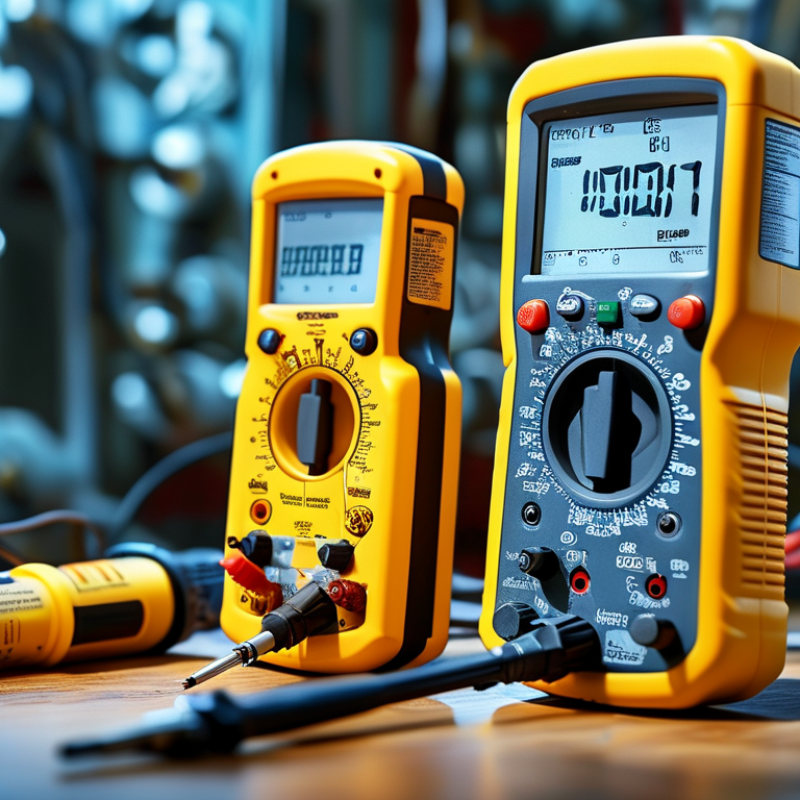
Understanding electrical current testers is essential for both professionals and DIY enthusiasts. These testers come in various types, each serving distinct functions. The most common types are multimeters, clamp meters, and analog testers. Multimeters measure voltage, current, and resistance, providing versatility. Clamp meters are ideal for measuring current without direct contact with live wires. Analog testers, while less common, offer a visual method of reading current levels.
Using the right tester can lead to more accurate measurements. However, many users struggle with calibration and settings. For instance, if the range is set incorrectly, readings can be misleading. Another challenge is understanding the differences between AC and DC measurements. It's critical to match the tester to the electrical system in use. Mistakes can result in faulty readings or damaged equipment.
Moreover, familiarity with safety precautions is crucial. Even trained individuals can make errors. A user might neglect to check for live circuits, exposing themselves to hazards. Every tool has its learning curve, and this is no exception. Regular practice and awareness can improve proficiency. These aspects highlight the need for ongoing education about electrical testing tools.
Key Features to Look for in an Accurate Electrical Current Tester
When selecting an electrical current tester, several key features ensure accurate readings. First, you should look for testers with a clear display. A backlit LCD improves visibility in dimly lit areas. This clarity helps prevent errors during measurements. Additionally, choose testers with a high sampling rate. Faster sampling leads to more precise readings. It is crucial for capturing rapid fluctuations in current.
Another important feature is the range of measurement. A broad range means versatility. You may need to measure everything from small electronics to heavy machinery. Look for testers with multiple settings. This adaptability is particularly useful for various projects. User-friendly interfaces are essential too. Complicated controls can lead to mistakes. Simple buttons and intuitive designs enhance accuracy.
Sometimes, issues arise with the tester itself. Calibration is key for reliable results. Regular checks ensure the device remains precise over time. Documenting these calibrations can be valuable for future reference. If the readings seem off, it’s important to reassess your technique. User error can happen, even with the best tools. Reflection on your methods can improve your accuracy significantly.
How to Properly Use an Electrical Current Tester for Best Results
Using an electrical current tester can seem daunting at first. However, understanding how to use this tool correctly is crucial for obtaining accurate readings. Start by ensuring that your tester is suited for the range of current you intend to measure. Always choose a tester that is easy to read and has clear markings. This can make a significant difference in your results.
Before you begin testing, safety is paramount. Wear appropriate gear, such as gloves and goggles, to protect yourself from electrical hazards. Ensure that the circuit is inactive before attaching the tester. When making connections, be cautious. Misconnections can lead to incorrect readings or even damage to the tester. If the needle fluctuates erratically, check your connections and recalibrate as needed.
When you've got everything set up, read the tester's display carefully. Take note of any patterns in the readings. If the numbers seem off, consider that you may need to adjust your technique. Accuracy plays a vital role in electrical work. Don’t rush through the process. Regular practice can enhance your skills. Keep a notepad handy to jot down readings or observations. Each session can teach you something valuable.
Top Recommended Electrical Current Testers for Home and Professional Use
When choosing an electrical current tester, accuracy and usability are key. For home and professional use, testers should provide precise readings while remaining user-friendly. Many testers come equipped with features like backlit displays and audible alerts. These functions enhance usability, especially in dimly lit areas. A good electrical tester should also have a durable design to withstand various working conditions.
There are different types of current testers available. Some are quite simple, while others offer advanced functionalities. For instance, multimeters can measure voltage, resistance, and current. They offer versatility for different projects. However, users must take the time to learn their functions. Without proper understanding, even the best devices can yield incorrect readings.
Professionals often consider safety features vital. Insulated probes and automatic shut-off functions can prevent errors and accidents. Yet, choosing the right tester is often a matter of personal preference. Some may prioritize size and portability, while others focus on advanced features. Each user should reflect on what they truly need. Balancing accuracy, functionality, and safety creates the ideal testing experience.
Comparative Review: Digital vs. Analog Electrical Current Testers
When deciding between digital and analog electrical current testers, it's important to consider their differences. Digital testers often provide more precise readings. According to industry studies, they can measure current fluctuations within 0.1% accuracy. This is crucial for professionals who rely on exact data.
Analog testers, on the other hand, can display trends and maintain an intuitive reading through their dial design. Many electricians appreciate their reliability, especially in noisy environments where digital displays might suffer from interference. However, analog models can be harder to read at a glance, especially for less experienced users.
Some users might prefer the straightforward nature of analog testers. Yet, they may not offer features like data logging or alerts. These factors are essential, especially in advanced applications. As tools evolve, there’s a shift towards digital solutions. A report by the Electrical Testing Institute indicates that 70% of professionals use digital testers for regular tasks. Consider your specific needs; both types have their merits depending on the context of the job.
Best Electrical Current Tester for Accurate Readings? - Comparative Review: Digital vs. Analog Electrical Current Testers
| Type | Accuracy | Range (A) | Display Type | Battery Life | Price (USD) |
| Digital | ±0.5% | 0.1 - 100 | LCD | 200 hours | $50 |
| Digital | ±0.3% | 0.2 - 200 | LCD with Backlight | 250 hours | $75 |
| Analog | ±2% | 1 - 10 | Analog Meter | N/A | $30 |
| Analog | ±1% | 2 - 20 | Analog Meter | N/A | $45 |