Best Camping Sleeping Bags for 2026 What to Consider?
A quality camping sleeping bag is essential for outdoor adventures. Choosing the right one can greatly impact your comfort and rest during trips. As we approach 2026, several factors deserve attention.
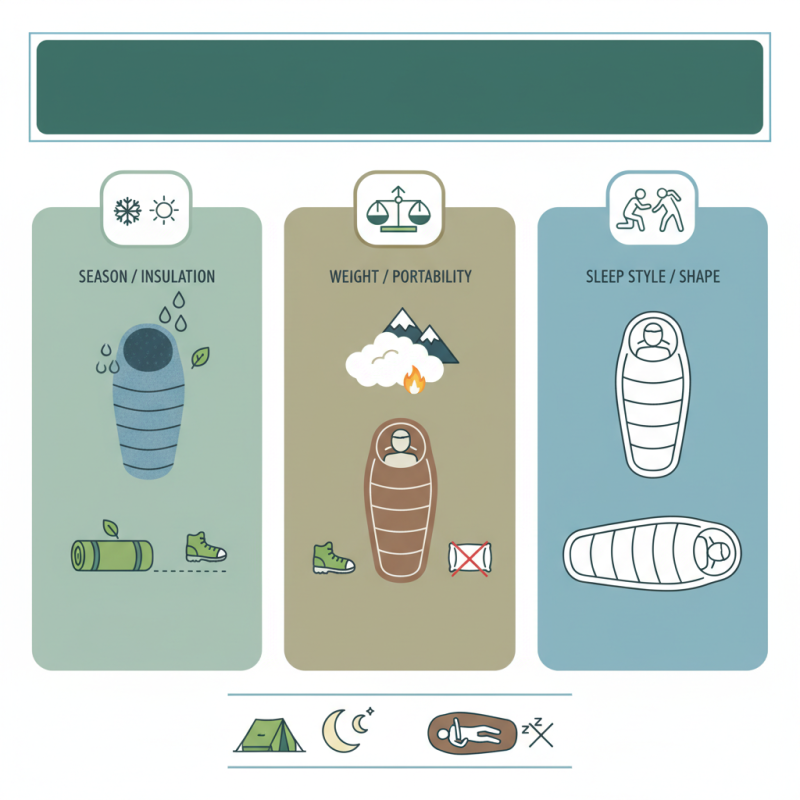
Consider the season in which you'll camp. Different temperatures require various insulation types. Synthetic materials might work for damp conditions, while down insulation offers warmth in colder climates. Weight is another crucial factor. Lightweight bags are easier to carry but may compromise comfort.
Lastly, think about sleep style. Side sleepers need more room than back sleepers. Testing a sleeping bag before purchasing can help you find the right fit. Remember, a camping sleeping bag that meets your needs can enhance your outdoor experience or leave you feeling restless.
Best Camping Sleeping Bags for 2026: Key Features to Evaluate
When choosing a camping sleeping bag, consider the insulation type. Down insulation is lightweight and compressible. It keeps you warm in cold weather. However, it loses warmth when wet. Synthetic insulation, on the other hand, dries quickly. It is bulkier but offers good insulation even in damp conditions. Each type has its pros and cons. Reflect on what matters most for your needs.
Next, evaluate the temperature rating. This rating indicates the lowest temperature at which the bag can keep you warm. If you camp in various climates, choose a versatile option. A three-season bag might be suitable for spring, summer, and fall. However, it’s not ideal for extreme cold or intense heat. Keep in mind that everyone feels temperature differently. A bag rated for 30°F may feel too cold for some.
Lastly, consider the weight and packability. If you hike to your campsite, a lighter bag is essential. Compact designs can save space in your pack. Yet, these can sometimes compromise on comfort. While you desire a portable option, ensure it still meets your comfort needs. Think about where you’ll camp most often. Are you trekking through the woods or parked at a campsite? This choice can impact what features you prioritize.
Types of Sleeping Bags: Which Design Suits Your Camping Style?
When choosing a sleeping bag, understanding the types available is crucial. There are three main designs: rectangular, mummy, and semi-rectangular. Each suits different camping styles and temperatures. Rectangular bags offer space and comfort, ideal for car camping. They allow more room to move. However, they are less efficient in retaining heat compared to other designs. For some, the extra space may lead to a chilly night.
Mummy bags are designed for cold weather. They fit snugly around the body. This design reduces heat loss significantly. However, some find them too constricting. If you toss and turn, a mummy bag might not be the best for you. Semi-rectangular bags strike a balance. They provide warmth while allowing some extra space. This design is versatile, making it a favorite among many campers.
Choosing the right sleeping bag depends on your style. What type of camping do you plan? If you enjoy luxury camping, a roomy rectangular bag may be perfect. But if backpacking is your goal, consider a lightweight mummy bag. There’s no one-size-fits-all solution. Reflect on your needs, and you’ll find the right match.
Best Camping Sleeping Bags for 2026: What to Consider?
| Type | Temperature Rating | Weight | Packed Size | Best For |
| Rectangular | 50°F and above | 3-5 lbs | 18" x 10" | Car Camping |
| Mummy | 20°F to 40°F | 2-4 lbs | 13" x 7" | Backpacking |
| Semi-Rectangular | 30°F and above | 3-4 lbs | 16" x 8" | Family Camping |
| Double | 40°F and above | 5-7 lbs | 20" x 12" | Couples Camping |
| Kids | 30°F to 50°F | 2-3 lbs | 12" x 7" | Youth Camping |
Insulation Materials: Comparing Down and Synthetic Options
When choosing a sleeping bag for camping, insulation materials play a vital role. Downs offer excellent warmth-to-weight ratios. They can compress well and are incredibly light. However, they tend to lose insulating properties when wet. On the other hand, synthetic options usually excel in wet conditions. They dry faster and offer decent insulation even when damp. According to a 2022 industry report, 65% of campers prefer synthetic materials for their versatility in unpredictable weather.
Tips: Consider your camping environment. If moisture is a concern, synthetic insulation may suit you better. For a colder, dry climate, down might be a great choice.
Yet, both materials have their drawbacks. Down can be expensive and less accessible for some campers. Synthetic options may feel bulkier and heavier, affecting your backpack's overall weight. It's essential to balance these factors based on your needs. Choosing a sleeping bag involves careful thought about insulation types and environmental conditions. Finding the right fit could mean the difference between a restful night or a chilly, uncomfortable experience.
Temperature Ratings: Understanding What You Really Need
When choosing sleeping bags for camping, temperature ratings are crucial. These ratings indicate the minimum temperature in which the bag will keep you warm. Many people assume a higher rating is always better. However, that can lead to discomfort. If it's too warm, you may end up sweating and feeling clammy.
It’s essential to assess your actual camping environment. Think about the season and the expected temperatures. A summer camping trip might require a 40-degree bag, while a trip in fall could need a 20-degree option. Consider going for bags that have adjustable features. Some sleeping bags have zippers for ventilation, allowing you to regulate warmth on the fly.
Think about your own comfort level as well. Some individuals may feel cold at temperatures others find pleasant. Testing a bag at home can help you gauge its effectiveness. At times, people overlook this step, only to regret their choice in the cold. Balancing your preferences and expected conditions can enhance your outdoor experience significantly. Always remember to check the materials used; insulation type matters a lot. It can make or break your night under the stars.
Weight and Packability: Choosing the Right Sleeping Bag for Travel
When selecting a sleeping bag for travel, weight and packability are crucial. You're likely hiking or backpacking. Every ounce matters. A lighter bag allows more room for food and gear. Choose a sleeping bag that compresses well. It should easily fit in your pack.
Consider the materials used. Down insulation provides excellent warmth without bulk. However, synthetic options can offer more wet-weather performance. It's essential to balance warmth with weight. Sometimes, you may need to sacrifice one for the other.
**Tips:** Check the bag's packed size. It should be compact. Look for compression sacks. These can save space in your pack. Always test the bag's comfort rating too. What feels warm at home may feel different outdoors. Don’t forget to reflect on your previous trips. What worked well? What didn’t? This insight is valuable for your next adventure.
Best Camping Sleeping Bags for 2026
When choosing a camping sleeping bag, weight and packability are crucial factors. The following bar chart illustrates the average weight and pack size of various sleeping bags suitable for travel in 2026.