
10 Best Bathroom Shelves for Every Bathroom

A crowded bathroom can make simple routines feel harder than they should. Bottles gather around the sink, towels have nowhere to dry, and small items disappear behind larger ones. The right Bathroom Shelf can free up useful space without making the room feel cramped. Still, not every design suits every bathroom. A shelf that looks perfect online may feel awkward beside a narrow shower or sit too low above a vanity. Small details matter.

This guide explores 10 bathroom shelves for different rooms, storage needs, and budgets. It considers practical features such as dimensions, mounting style, materials, weight capacity, and resistance to everyday moisture. Open shelves keep frequently used products visible, while cabinets can hide visual clutter. Freestanding units may help renters avoid drilling, though they can take up valuable floor space. There is no universal best choice. Measure the wall, check the installation requirements, and think about what you actually plan to store before deciding. Even careful planning can miss something; a bottle may be taller than expected, or a finish may need more upkeep than its photos suggest. These comparisons are meant to make those trade-offs easier to spot, so you can choose a shelf that works with your routine, not just your décor.
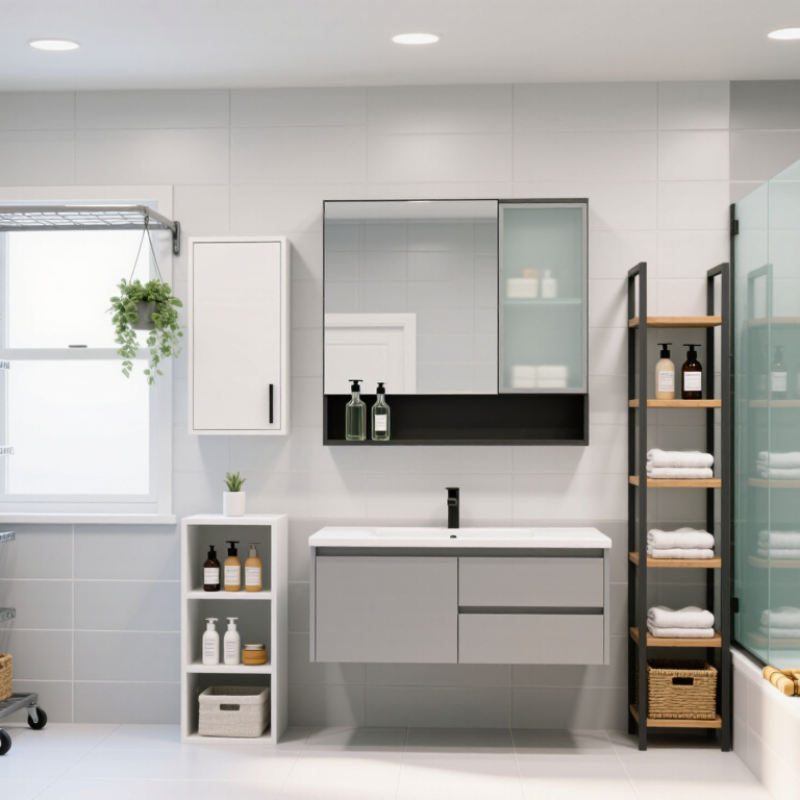
10 Best Bathroom Shelves for Every Bathroom

Understanding the Main Types of Bathroom Shelves

Bathroom shelves fall into several practical types, each solving a different storage problem. Wall-mounted shelves keep towels and daily products visible, but require secure fixing into suitable wall material. Corner shelves make use of awkward shower angles. Recessed niches sit flush with the wall, reducing bumps and clutter, though installation usually means planning before tiling. Freestanding and over-toilet units add storage without drilling, but can crowd a narrow bathroom. Small details matter: a raised edge helps keep a shampoo bottle from sliding onto a wet floor.

The 2024 U.S. Houzz Bathroom Trends Study reported that 84% of renovating homeowners upgraded their showers, making shower storage a common planning concern. A niche suits regularly used bottles; a removable caddy can be more flexible when needs change. Neither option is perfect. Niches are convenient, but their size and position are hard to change later. The U.S. Access Board’s ADA Standards set a 15-to-48-inch reach range for unobstructed forward reaches, a useful accessibility reference when positioning frequently used items. It is not a one-size-fits-all rule for every home. Check wall construction, moisture exposure, and reach before choosing a shelf; even attractive storage can become awkward when installed too high.

10 Best Bathroom Shelves for Every Bathroom — Understanding the Main Types

A practical comparison of common shelf types. Scores are general editorial assessments of typical designs, not product-test measurements. Higher scores are better; installation ease reflects how simple a typical setup is.

How to Compare Shelves by Material, Mounting, and Capacity

Bathroom shelves should be compared by material, mounting method, and rated capacity—not appearance alone. Stainless steel handles damp rooms well, while powder-coated metal can chip if its finish is scratched. Tempered glass looks light but shows water spots quickly. Sealed wood adds warmth, though repeated splashes can wear its finish. Small detail, big difference.

Mounting determines what a shelf can safely hold. Screws fixed into studs or suitable masonry usually offer firmer support than suction cups, which can loosen on textured or damp surfaces. Adhesive mounts need clean, dry walls and enough curing time. Check the stated load limit and installation instructions; tile, grout, and wallboard do not provide equal support. Houzz’s 2024 U.S. Bathroom Trends Study reported that 82% of renovating homeowners upgraded their showers, making shower storage a practical consideration. That figure describes renovation choices, not shelf strength. Not the same thing.

Match capacity to real use: a few shampoo bottles need less support than stacked towels or heavy jars. Leave room for wet hands and easy cleaning, too. A shelf placed above a narrow tub may look tidy but prove awkward to reach. One common oversight is measuring the shelf, not the bottles; tall containers can collide with the shelf above. I would still recheck the wall surface and load rating before buying, since product limits do not account for every installation.

Ten Bathroom Shelf Styles for Different Needs and Spaces

Bathroom shelves work best when they match the room’s routines, not just its dimensions. A floating ledge keeps hand towels beside the sink, while a recessed niche stores shampoo without narrowing a shower. Corner shelves use awkward shower angles; choose rounded edges to reduce bumps. The U.S. EPA’s WaterSense at Home guide notes that toilets, faucets, and showers together account for more than half of indoor water use. That moisture makes rust-resistant fittings and easy-to-clean surfaces practical choices.

For tight layouts, an over-toilet ladder shelf adds storage without taking floor space, and a narrow rolling cart can slip beside a vanity. A freestanding tiered unit suits renters who cannot drill into tile. Wall-mounted wire baskets drain quickly, though small bottles may wobble. Keep it dry. A glass shelf creates a light look above the basin, but fingerprints show fast. A pull-out shelf inside a vanity cabinet keeps spare soap and skincare out of sight.

The tenth option is a hanging shower caddy, useful when wall space is limited. Check its fit before buying; showerheads and doors vary. NKBA’s 2024 Bath Trends Report highlights storage and accessibility as continuing bathroom design considerations, so place daily-use items within comfortable reach. A shelf can look perfect in a photo and still feel awkward at home. Test the height with a towel or bottle before fixing it permanently.

Choosing a Shelf That Fits Your Bathroom Layout

A shelf should fit the room’s traffic, not just an empty patch of wall. Measure the space beside the sink, above the toilet, or inside a shower before choosing a style. Check door swings and drawer openings, too. A shelf that looks compact online may block a cabinet once installed. Small detail.

In a narrow bathroom, a shallow wall shelf can hold daily items without crowding the walkway. Near a sink, leave enough room for the faucet and mirror, and keep frequently used toiletries within easy reach. Over-toilet shelves use vertical space, but check the tank lid and plumbing access first. In a shower, choose materials suited to regular moisture and confirm the shelf can be secured safely. A corner unit can work well, though its depth may be awkward for larger bottles.

Measure twice, then mark the shelf outline with painter’s tape. Open the door and stand where you normally get dressed. Does the shelf feel intrusive? It is easy to overlook headroom or a towel’s reach when measuring alone. Also consider what you’ll store: heavy jars need stronger support than a few washcloths. Leave breathing room. If the layout is unusual, a smaller shelf—or no shelf at all—may be the more practical choice.

Installation, Cleaning, and Long-Term Care of Bathroom Shelves

Before mounting a bathroom shelf, check the wall material and the shelf’s likely load. Tile, drywall, and masonry need different anchors. Use a level, mark holes with painter’s tape, and check for plumbing before drilling. Near a shower, choose corrosion-resistant hardware and seal openings with suitable bathroom sealant. Measure twice. Then drill slowly. Overtightening can crack tile, while weak anchors may loosen under wet towels or heavy bottles. A shelf should feel steady before you trust it with daily essentials.

Cleaning works best when it is routine, not aggressive. Wipe glass, metal, or sealed wood with a soft cloth and mild soap, then dry corners where water collects. Avoid abrasive pads; they can dull finishes and scratch surfaces. Check brackets every few months, especially after moving heavy items. Look for rust, swollen wood, loose screws, or dark marks around the mounts. Fix small problems early. A faint stain may seem harmless, yet it can signal trapped moisture beneath a shelf liner. That is easy to miss. Remove liners occasionally, let the surface dry fully, and replace damaged parts rather than hiding warning signs. Bathroom humidity is persistent. Good care means checking what sits underneath, not just polishing what is visible.

10 Best Bathroom Shelves for Every Bathroom — Installation, Cleaning, and Long-Term Care
Shelf Type Best For Typical Material Installation Cleaning Long-Term Care Practical Considerations
Wall-mounted glass shelf Small bathrooms where an open, light appearance is preferred Tempered glass with metal brackets Fasten brackets into wall studs where possible; use anchors suitable for the wall type. Wipe with a soft cloth and mild glass cleaner; dry the brackets to limit water spots. Check bracket screws periodically and inspect the glass for chips or cracks. Tempered glass is stronger than ordinary glass but can still break if damaged or poorly supported. Keep heavy items off it.
Stainless-steel corner shelf Shower corners and compact layouts Stainless steel Use the supplied mounting method and seal penetrations in wet areas as directed; confirm the wall can support the load. Rinse away soap residue and wipe dry with a soft cloth; avoid abrasive pads. Inspect fasteners and seams for looseness or corrosion, especially in frequently wet locations. A corner shape makes use of otherwise unused space. Stainless-steel grades vary in corrosion resistance.
Adhesive-mounted shower shelf Rentals or installations where drilling is not suitable Plastic, coated metal, or stainless steel with adhesive pads Apply only to a clean, smooth, dry surface and follow the adhesive cure time before loading. Remove the shelf if the design allows; clean with mild soap and water, then dry the mounting area. Check adhesion regularly and replace pads if edges lift or the shelf begins to move. Adhesive performance depends on surface texture, moisture, temperature, and the stated weight limit. It may not suit wallpaper, grout lines, or textured tile.
Freestanding over-toilet etagere Bathrooms needing storage without wall drilling Coated steel, solid wood, or engineered wood Assemble on a level floor and secure the unit to the wall with an anti-tip fitting when provided. Wipe shelves with a damp cloth and dry promptly; clean around the toilet and floor regularly. Tighten assembly fasteners as needed and protect wood-based panels from standing water. Measure the toilet, ceiling, and plumbing clearance before purchase. Keep heavy items on lower shelves.
Recessed shower niche shelf Remodels and showers where flush storage is desired Tile, stone, or a waterproof prefabricated niche with a shelf Plan framing, waterproofing, and tile layout before installation; work should follow applicable building requirements. Use a non-abrasive bathroom cleaner appropriate for the tile and grout; rinse and dry after cleaning. Inspect grout and sealant for cracks or gaps and repair them promptly to help prevent water intrusion. Provides built-in storage without projecting into the shower, but installation is more involved than adding an exposed shelf.
Wood wall shelf Dry areas for towels, decorative items, or spare supplies Sealed solid wood or moisture-resistant wood construction Attach to studs or use appropriate anchors; keep the shelf away from direct, repeated splashing. Dust or wipe with a slightly damp cloth and dry immediately; avoid soaking the surface. Inspect the finish for peeling or swelling and renew the protective coating when needed. Wood adds warmth but requires more moisture protection than glass, ceramic, or metal.
Wire shower caddy shelf Showers needing drainage and easy access to toiletries Coated steel or stainless steel wire Hang from a compatible showerhead or mount using the included hardware; follow the product instructions. Rinse off soap buildup and scrub gently with a soft brush; dry areas that retain water. Check hooks, joints, and coating for wear; replace the unit if rust or structural damage appears. Open wire construction drains quickly, but bottles may need a flat base or retaining rail to stay upright.
Tile-in ceramic shelf Coordinated tiled showers and permanent installations Glazed ceramic or porcelain Set into the tile installation with suitable support and waterproofing; best planned during a renovation. Clean with a mild, non-abrasive cleaner and a soft cloth; avoid harsh products that could damage grout or glaze. Check surrounding grout and sealant periodically and repair cracks or gaps. Durable and easy to wipe, but the shelf location is fixed after installation.
Floating wall shelf Vanity walls and dry storage areas Sealed wood, metal, glass, or composite board Install the concealed bracket into studs when possible; use anchors rated for the wall and intended load. Wipe with a soft, damp cloth and dry; choose cleaner based on the shelf material. Check for sagging or loose hardware and keep water from pooling on the surface. Creates a clean, uncluttered look, but concealed hardware can make correct installation especially important.
Over-door towel and storage rack Bathrooms with limited wall space and a suitable door Coated steel or stainless steel Fit the hooks over a compatible door and check that the door closes freely without pinching the rack. Wipe with a damp cloth and dry the hooks and joints to reduce moisture buildup. Inspect the door finish for scratches and check the rack for movement or worn protective pads. Requires no drilling, but door thickness, clearance, and the rack’s load rating must be checked.
Load and safety note: Shelf capacity varies by design, wall construction, fasteners, and installation quality. Follow the manufacturer’s stated load limit, use hardware appropriate for the wall, and avoid placing heavy or breakable items above people or in areas where they could fall.
Go to Top