Top 10 Benefits of Aerogel Blankets for Insulation?
Aerogel Blankets are revolutionizing insulation technology. These remarkable materials provide outstanding thermal resistance. They serve a variety of applications, from residential homes to avant-garde industrial uses. Their lightweight nature allows for easy handling and installation.
These blankets create a barrier against extreme temperatures. Imagine a chilly winter night where warmth is preserved effortlessly. The Aerogel Blanket makes that possible. It effectively minimizes heat loss, which can lead to significant energy savings. However, some may question their cost versus traditional insulation options.
Despite the initial investment, the long-term benefits are undeniable. Users often report lower heating bills and increased comfort. This innovation also contributes to sustainability efforts, but it's essential to consider challenges as well. There can be issues with moisture retention if not installed correctly. Thus, while the Aerogel Blanket presents great advantages, careful application is key for optimal performance.
What Is Aerogel and Its Unique Properties for Insulation?
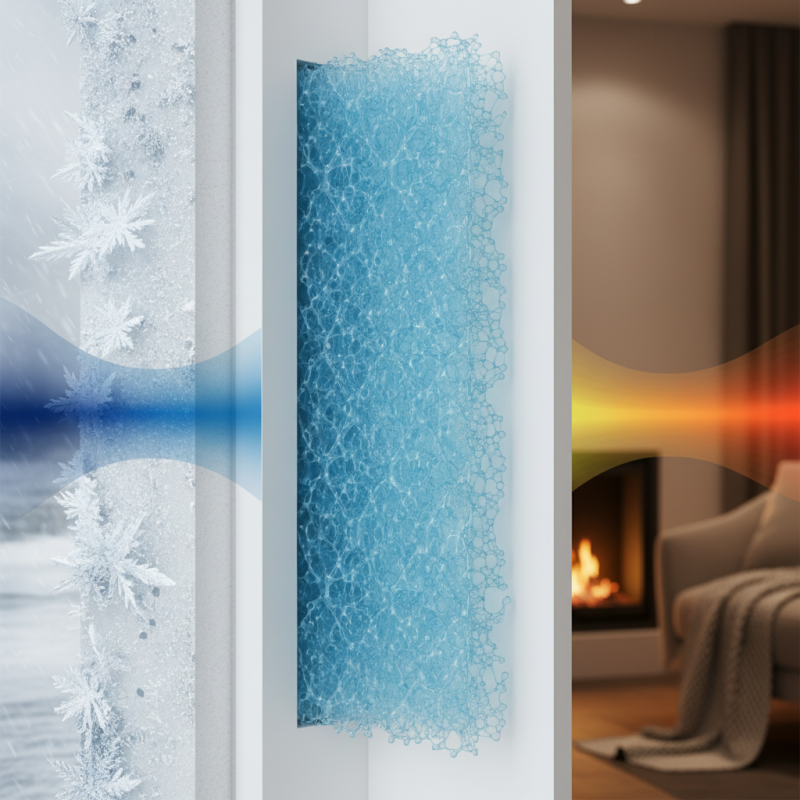
Aerogel is a fascinating material known for its exceptional insulating properties. This unique substance is made by removing the liquid from a gel, leaving behind a solid that is mostly air. Its structure resembles a sponge, filled with tiny pores. As a result, aerogel blankets can effectively trap heat or cold, making them ideal for various applications. They are incredibly lightweight, which adds to their versatility. Despite their fragile appearance, these blankets can withstand extreme temperatures.
One may wonder about their practical use. Aerogel blankets offer a thin yet powerful solution for insulation needs. They are often used in space exploration, where traditional materials fall short. However, on the ground, the cost of production can be high. This raises questions about accessibility for everyday use. While many benefits exist, one must consider practicality and affordability. Finding balance in sustainability and proper usage is essential. Overall, aerogel blankets demonstrate both potency and complexity in the world of insulation.
The Science Behind Aerogel Blankets and Thermal Efficiency
Aerogel blankets have revolutionized the field of insulation due to their unique properties. Made primarily from air, these blankets are remarkably light yet incredibly effective. Their thermal efficiency is unmatched, making them ideal for various applications. The structure of aerogel is what sets them apart; it retains heat while preventing cold from penetrating. This is achieved through a network of tiny pores that trap air.
Scientists have researched the science behind aerogel for years. The ability to insulate without significant weight is impressive. In areas where space is limited, aerogel excels. Yet, while the benefits are clear, there are still challenges. The production process can be complex and costly. This raises questions about accessibility and affordability. Additionally, not all aerogels are created equal; some may be less effective depending on their composition.
When using aerogel blankets, installation can also be tricky. Users must ensure they are properly placed to maximize benefits. Overall, while aerogel shows promise, there is room for improvement. Continued research is necessary to overcome limitations and enhance performance.
Top Benefits of Aerogel Blankets in Residential Applications
Aerogel blankets offer remarkable insulation benefits, especially in residential settings. These lightweight materials trap air pockets, which slows down heat transfer. Homes with aerogel insulation can maintain a comfortable temperature year-round. This can lead to decreased energy costs and improved energy efficiency.
In addition to thermal performance, aerogel blankets are fire-resistant. This means they can provide safety in case of emergencies. Their ability to repel moisture also helps prevent mold growth and improves indoor air quality. While they are effective, some homeowners may find the upfront cost concerning. There's a delicate balance between initial investment and long-term savings.
Installation can pose challenges. These blankets require proper fitting to maximize benefits. A gap or improper layering can compromise insulation efficiency. Despite these considerations, aerogel blankets remain a compelling choice for modern homes. Their lightweight design and effectiveness are hard to overlook.
Industrial Uses of Aerogel Blankets for Enhanced Insulation
Aerogel blankets are transforming industrial insulation. These lightweight materials are composed mostly of air, which grants them remarkable thermal resistance. According to a report by the International Journal of Thermal Sciences, aerogel blankets boast a thermal conductivity as low as 0.013 W/m·K. This performance makes them ideal for applications where space and weight are critical.
Industries such as aerospace, oil and gas, and construction are utilizing aerogel blankets for enhanced insulation. In aerospace, they reduce weight, contributing to fuel efficiency. In oil and gas, they protect piping in extreme conditions. This insulation maintains optimal temperatures, reducing energy costs. However, there are challenges. The production process can be costly and time-consuming. Not every operation can afford such investment, leading to slower adoption rates.
Aerogel blankets also endure scrutiny regarding their long-term durability. While they resist moisture and temperature fluctuations, real-world performance can vary. Companies must evaluate operational needs carefully. The balance between cost, performance, and durability is essential. Some projects might benefit from traditional materials instead. Hence, the decision demands thoughtful consideration.
Top 10 Benefits of Aerogel Blankets for Insulation
Aerogel blankets are known for their unique properties that make them ideal for insulation. The chart above illustrates the top 10 benefits, highlighting features such as high thermal insulation and fire resistance, demonstrating their effectiveness and versatility across various industrial applications.
Comparative Analysis: Aerogel Blankets vs. Traditional Insulation Materials
Aerogel blankets are gaining attention in the insulation industry. Their lightweight structure offers several advantages over traditional materials. For instance, they can achieve an R-value of 10 to 15 per inch. In contrast, fiberglass typically offers an R-value of 2.9 to 4.3. This significant difference highlights aerogel’s superior thermal efficiency.
Another critical factor is moisture resistance. Traditional insulation materials, like cellulose and fiberglass, can absorb moisture. This leads to mold and deteriorated efficiency. Aerogel, however, is hydrophobic and does not retain water. According to a recent study, aerogel blankets can reduce water vapor transmission by 90%. This durability enhances their performance in various climates, making them more reliable.
Cost is often a barrier for many buyers. Aerogel blankets can be more expensive than conventional insulation options. Yet, the long-term savings in energy efficiency can offset these initial costs. Users might need to reassess their budgeting to invest wisely. Additionally, aerogel's environmental impact benefits may not be fully realized yet. The manufacturing process remains costly, and more sustainable production methods need further exploration.
Top 10 Benefits of Aerogel Blankets for Insulation
| Benefit | Aerogel Blankets | Traditional Insulation |
| Thermal Performance | Excellent insulation with low thermal conductivity | Good, but generally higher thermal conductivity |
| Weight | Lightweight and easy to handle | Heavier, which can complicate installation |
| Space Efficiency | Thinner layers can provide superior insulation | Requires thicker layers for comparable insulation |
| Water Resistance | Highly resistant to moisture | Can absorb moisture, reducing effectiveness |
| Fire Safety | Non-combustible and fire-resistant | Can be flammable, depending on the material |
| Environmental Impact | Often made from eco-friendly materials | Can have a larger carbon footprint |
| Longevity | Durable and long-lasting performance | May degrade or settle over time |
| Ease of Installation | Simple to install with minimal mess | More complex installation process |
| Sound Insulation | Effective at sound reduction | Varies widely depending on material |
| Cost Efficiency | Higher upfront cost but lower long-term savings | Lower initial cost but higher energy bills |