What Is Aluminium Coil Sheet Used For?
Aluminium Coil Sheet is used wherever a lightweight, formable metal can be shaped into long, consistent sections. It arrives as a rolled coil, then manufacturers cut, bend, stamp, or profile it for specific products. That format can reduce handling and material waste in high-volume production. Small details matter. Alloy, temper, thickness, and coating all affect strength, flexibility, corrosion resistance, and finish. A bright surface alone does not tell the whole story.
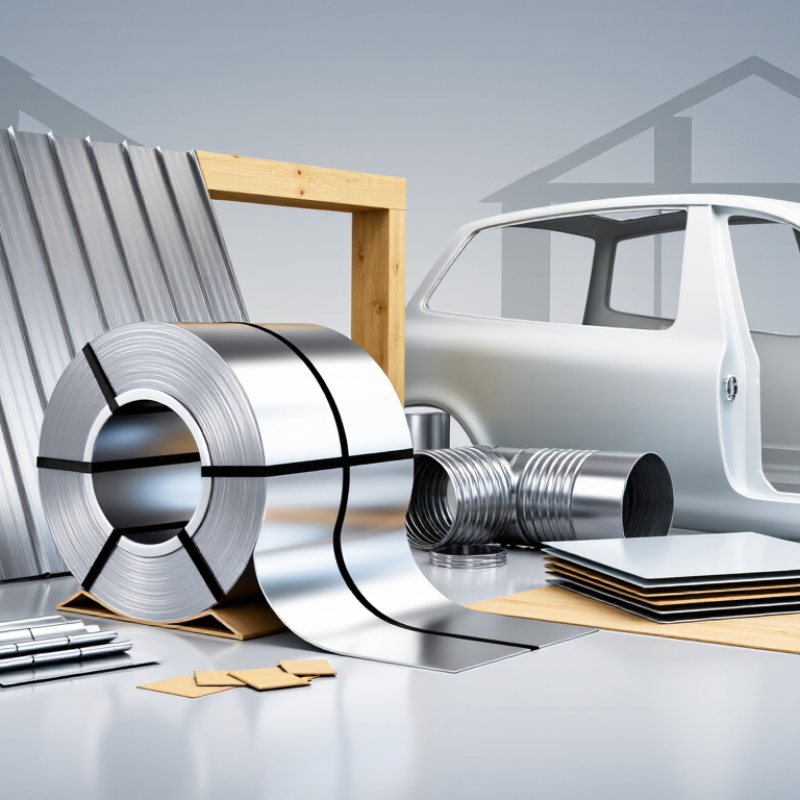
Common applications include building cladding, roofing, gutters, vehicle panels, appliance housings, and packaging components. On a building, a coated sheet may form a weather-facing panel; in a workshop, a thinner grade might become a duct or trim piece. Manufacturers also use aluminium in heat exchangers because it conducts heat effectively and weighs less than many alternatives. Yet no single specification suits every job. A sheet that bends cleanly may not provide the stiffness a wide panel needs. That trade-off deserves a closer look.
This guide explores how Aluminium Coil Sheet is selected and used across industries, with attention to grades, finishes, fabrication, and practical performance. It will also consider limits, including denting, coating wear, and the need to match material properties to operating conditions. Real results depend on the product specification and manufacturing process, so examples should guide decisions rather than replace technical review. A careful choice starts with the application.
What Aluminium Coil Sheet Is and How It Is Produced
Aluminium coil sheet is a continuous strip of rolled aluminium, wound into a compact coil for storage and transport. Its thickness, width, alloy, and temper vary with the intended application. The coil form lets manufacturers feed material into cutting, bending, and forming lines with less handling between stages. It may later become roofing panels, building facades, vehicle parts, or HVAC components. Small details matter.
Production usually begins by casting aluminium into a slab. The slab is heated and hot-rolled, then cold-rolled through successive passes to reach the required thickness and surface finish. Annealing can soften the metal and adjust its formability. Edges are trimmed, and the finished strip is recoiled; some products receive a protective or decorative coating. Process settings affect strength and surface quality, so specifications should match the forming method. Not every coil behaves identically.
This is a large industrial supply chain. The International Aluminium Institute reported about 70.6 million tonnes of global primary aluminium production in 2023. That figure describes primary metal, not coil output, but it indicates the scale of the material base supporting rolled products. For buyers and fabricators, checking alloy, temper, thickness tolerance, and coating requirements is practical. A shiny surface alone tells little about how the sheet will perform.
Properties That Make Aluminium Coil Sheet Useful
Aluminium coil sheet is valued for its low weight, corrosion resistance, and ability to be formed into different shapes. A thin protective oxide layer develops naturally on its surface, helping it withstand ordinary exposure to moisture. This makes it useful for roofing panels, building cladding, HVAC parts, and vehicle components. That matters when reducing structural weight without giving up a durable surface.
The material also conducts heat and electricity well, and its smooth surface can reflect light. These properties suit applications such as heat exchangers and decorative panels. However, performance depends on alloy, temper, thickness, and coating. A soft temper may bend easily but dent more readily. Stronger options can be harder to form. No single grade does everything. I would check the intended forming process and exposure conditions before choosing a coil; overlooking either can lead to a disappointing result.
Tips: Check the supplier’s technical data for alloy, temper, and thickness. For outdoor use, confirm that the finish suits the environment, especially near salt spray.
Common Applications Across Major Industries
Aluminium coil sheet serves industries that need broad, lightweight, corrosion-resistant material. The International Aluminium Institute’s 2022 end-use profile assigns roughly 28% of aluminium demand to transport, 24% to building and construction, and 16% to packaging. These figures cover aluminium products overall, not coil alone, but they show where coil-based materials can matter. In transport, sheet is formed into truck and trailer panels, vehicle body parts, and heat-exchanger fins. A lighter panel can reduce vehicle weight, though performance depends on alloy, thickness, and design.
On building sites, coated coil becomes roofing, wall cladding, gutters, and flashing. Installers value long lengths and consistent surfaces; scratches can still spoil a finished façade.
Packaging converters roll thin aluminium into foil and container stock, where barrier properties help protect food from light, moisture, and air. Electrical manufacturers also use coil for transformer windings and other components, selected for conductivity and formability.
The International Energy Agency’s The Future of Hydrogen (2019) notes that aluminium is used in some electrolyser components, though it is not the main material in every design. Coil is versatile, but not a universal fix. Choosing the wrong temper or coating can lead to forming problems or premature surface damage.
How Alloy and Temper Influence Its Uses
Aluminium coil sheet is selected by alloy and temper, not by thickness alone. Alloy 3003 offers good formability and corrosion resistance, making it useful for heat-exchanger fins, cookware, and building components. Alloy 5052 provides stronger corrosion resistance in marine and vehicle panels. The Aluminum Association’s alloy and temper guidance distinguishes these compositions because small chemistry changes affect strength, forming, and weldability. Temper describes how the metal was processed. For example, H14 sheet is strain-hardened, while softer O temper bends more readily. Not interchangeable.
That difference matters on the production floor. A tight bend in a hard temper can crack at the edge; a softer temper may dent more easily in service. The International Aluminium Institute’s end-use estimates place transport at roughly one-quarter of aluminium demand, reflecting the material’s role in vehicles and transport equipment. In practice, 5xxx alloys often suit formed panels, while heat-treated 6xxx alloys offer higher strength where their forming limits are acceptable. Those are tendencies, not guarantees. Coil width, thickness, bend radius, joining method, and surface finish still need testing against the actual part. A temper designation alone cannot predict every result, and overlooking that can mean scrap.
What Is Aluminium Coil Sheet Used For? - How Alloy and Temper Influence Its Uses | Alloy | Common Temper | Typical Characteristics | Common Coil or Sheet Uses | Use Considerations |
| 1050 | O, H14 | Commercially pure aluminium; high electrical and thermal conductivity, strong corrosion resistance, and good formability. | Reflectors, electrical components, heat-transfer parts, and general-purpose formed sheet. | Not generally selected where high structural strength is required. O temper is softer and more formable than H14. |
| 3003 | O, H14, H24 | Manganese-alloyed; good corrosion resistance, workability, and moderate strength. | Heat-exchanger fins, roofing and siding, tanks, cookware, and general sheet-metal parts. | O temper suits deeper forming; H14 is stronger and stiffer but less formable. It is not heat-treatable for strengthening. |
| 3105 | H14, H24 | Non-heat-treatable alloy with good corrosion resistance, formability, and moderate strength. | Building products such as painted siding, gutters, downspouts, and roofing components. | Coil coating and forming requirements influence temper selection; H24 is partially annealed after strain hardening. |
| 5052 | O, H32, H34 | Magnesium-alloyed; good corrosion resistance, especially in marine atmospheres, with higher strength than 1xxx and 3xxx sheet alloys. | Marine and transport panels, enclosures, fuel tanks, pressure vessels, and formed components. | O temper supports more demanding forming; H32 and H34 provide greater strength with reduced formability. Not strengthened by heat treatment. |
| 5005 | H32, H34 | Magnesium-alloyed sheet with good corrosion resistance and a surface finish often suited to architectural anodizing. | Architectural panels, trim, decorative components, and building facades. | For visible anodized work, alloy, temper, surface quality, and batch consistency should be specified together. |
| 6061 | T4, T6 | Heat-treatable alloy with relatively high strength, good corrosion resistance, and useful machinability. | Structural panels, equipment parts, and components requiring greater strength than common packaging or building sheet alloys. | T6 offers higher strength but is less suitable for tight-radius forming than softer tempers. It is less commonly used for general-purpose coil applications. |
| 8011 | O, H14, H18 | Common foil-stock alloy with good workability and barrier properties in thin gauges. | Packaging foil, container foil, household foil, and related thin-gauge products. | O temper is soft and highly formable; harder H tempers improve strength and stiffness for handling, depending on product design. |
Temper guide: O indicates annealed, soft material; H indicates strain-hardened material, sometimes followed by partial annealing or stabilization; T indicates a heat-treated temper. Exact properties vary with product thickness, processing route, and the applicable product standard, so confirm the required specification before selection.
Choosing Aluminium Coil Sheet for a Specific Application
Choosing aluminium coil sheet starts with the job, not the catalogue. For roofing, check thickness, coating durability, and exposure to salt or standing water. For formed panels or ductwork, alloy and temper matter because the sheet must bend without cracking. A stiff sheet may feel reassuring, but it can be harder to roll into tight profiles. Ask the fabricator to confirm the bend radius for the selected temper and gauge. Measure twice. Small details change the result.
Tips: Request a sample and test it with the intended forming method. Check the finish under the lighting where the sheet will be installed. Confirm coil width, thickness tolerance, and protective film requirements before ordering. These checks can prevent avoidable trimming or surface damage.
For outdoor use, consider rain, heat, and nearby pollutants, not just appearance. In food or building interiors, cleanability and finish consistency may matter more. I have seen specifications focus heavily on alloy while overlooking how the sheet will be stored and handled. That is easy to miss. Keep coils dry, avoid dragging sheets across one another, and clarify packaging needs with the supplier. The best choice is usually a practical balance of formability, strength, finish, and service conditions.