Top Activated Carbon Trends at the 139th Canton Fair?
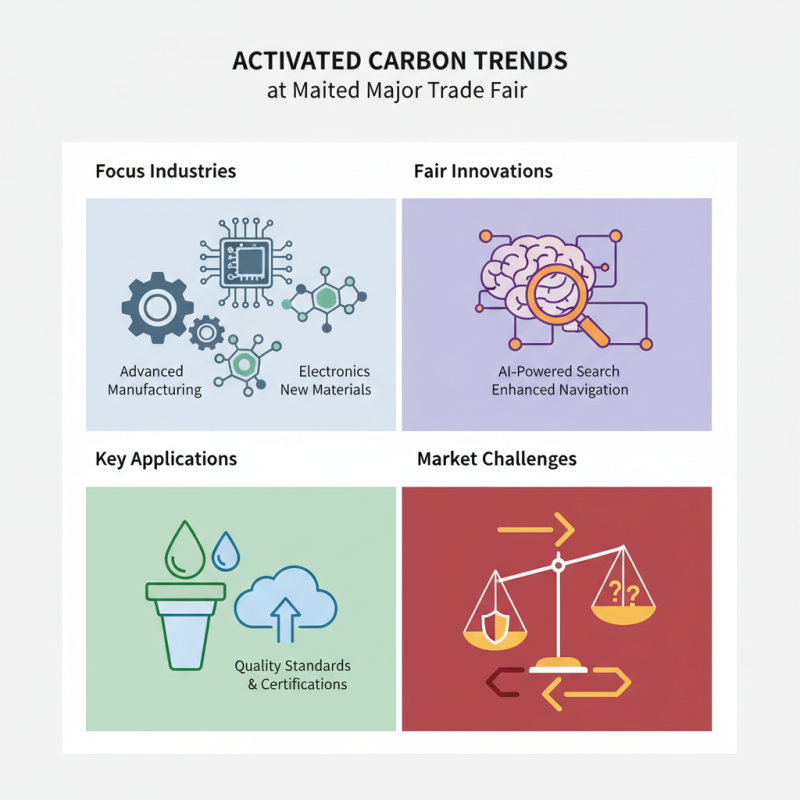
The 139th Canton Fair is an essential event for industries such as activated carbon. This year's fair will focus on advanced manufacturing, electronics, and new materials. Activated carbon products play a vital role across various sectors like air and water purification.
More than 1.55 million square meters of exhibition space offers ample opportunities for suppliers and buyers. The introduction of AI features revolutionizes the experience, allowing attendees to locate certified activated carbon suppliers more efficiently. Enhanced navigation saves time, improving business outcomes.
However, the rapidly evolving market presents challenges. Buyers need to assess the quality and certifications of activated carbon products closely. Not every supplier meets the desired standards. Reflection on product efficacy and compliance remains crucial in this competitive landscape.
Key Features of Activated Carbon Exhibited at the 139th Canton Fair
At the 139th Canton Fair, activated carbon technology was front and center. A variety of products showcased the latest developments in this vital industry. According to a recent market report, the global activated carbon market is projected to reach $6 billion by 2025. This growth highlights the increasing demand for effective air and water purification solutions.
Key features of the activated carbon products included granulated and powdered forms. Visitors noted the rise in demand for coconut shell-based activated carbon due to its high adsorption capacity. This sustainable option aligns with growing environmental concerns. However, many manufacturers faced challenges in sourcing quality raw materials. It remains crucial for the industry to ensure consistent supply chains.
Another exciting trend was the introduction of innovative applications in the medical and pharmaceutical sectors. Activated carbon is being studied for uses in drug delivery systems. Yet, some products lacked sufficient data to support these claims. This points to the need for rigorous testing and validation in new markets. Overall, the fair highlighted both progress and areas in need of improvement within the activated carbon landscape.
Innovative Technologies in Activated Carbon Production at the Fair
The 139th Canton Fair showcased some exciting innovations in activated carbon production. Many exhibitors presented new manufacturing techniques aimed at improving efficiency. Advanced methods such as steam activation and carbonization processes are gaining traction. These technologies promise higher adsorption capabilities and reduced impurities.
Some presentations highlighted environmentally friendly practices. It's evident that sustainability is becoming a priority. Techniques that utilize renewable resources are being explored. However, challenges remain in balancing production efficiency and eco-friendliness. Finding the right materials that meet quality standards is not always straightforward.
Attendees engaged in discussions about industry trends. Various viewpoints emerged regarding future developments. There is a need for collaboration between manufacturers and researchers. Innovation doesn't happen in isolation. The path forward is not clear-cut, and reflection on current practices is vital. This fair underscored the importance of adapting to an evolving market.
Top Activated Carbon Trends at the 139th Canton Fair
| Trend | Description | Innovative Technology | Environmental Impact |
| Nano-Activated Carbon | Development of nano-sized activated carbon for enhanced adsorption capacity. | Synthesis methods using bio-waste materials. | Reduced carbon footprint and waste management. |
| Green Manufacturing | Shift towards environmentally friendly production processes. | Use of steam activation instead of chemical agents. | Minimized pollutants and sustainable practices. |
| Recyclable Options | Creating activated carbon that can be regenerated and reused. | New regeneration processes improving lifecycle. | Promotes circular economy and waste reduction. |
| Customizable Carbon Solutions | Tailored activated carbon products for specific industry needs. | Advanced tailoring techniques at molecular level. | Enhanced efficiency and reduced chemical use. |
| Smart Activated Carbon | Incorporation of sensors and monitoring systems. | Integration of IoT technology in carbon filtration systems. | Real-time pollution monitoring and data collection. |
Market Trends for Activated Carbon: Insights from Industry Experts
The 139th Canton Fair shed light on the latest activated carbon trends. Industry experts highlighted a shift towards more sustainable production methods. The demand for eco-friendly activated carbon is rising rapidly. According to recent market reports, the global activated carbon market is projected to reach $6.5 billion by 2026. This growth is driven by increased awareness of environmental issues and air quality.
Innovative applications are emerging. Activated carbon is now utilized beyond water purification. Industries are using it in air filtration and chemical processing. This diversification creates new opportunities, but it also poses challenges. Companies must adapt quickly to changing regulations and market needs.
Tips: When exploring these trends, focus on sustainable practices. Look for suppliers prioritizing eco-friendly processes. Consider the long-term benefits of investing in sustainable activated carbon. Keep an eye on market shifts, as adaptation is crucial in this evolving landscape.
Sustainability Practices in Activated Carbon Manufacturing Highlighted
At the 139th Canton Fair, sustainability emerged as a central theme in activated carbon manufacturing. Many manufacturers demonstrated eco-friendly practices. They highlighted the use of renewable resources and waste recycling methods. For instance, some companies showcased their carbon sourced from agricultural waste. This approach reduces landfill waste and promotes circular economy principles.
However, there remain challenges in fully implementing these sustainable practices. Some manufacturers struggle with balancing production efficiency and environmental concerns. It’s essential to address these gaps. Though many innovations are promising, they often require further refinement. Conversations about sustainability are gaining traction, yet action is crucial.
Moreover, the fair revealed a variety of technologies aimed at improving activated carbon production. New techniques for energy efficiency were discussed passionately. Yet, the true impact of these innovations often needs validation. With continuous improvement, the sector can lead the way in greener manufacturing practices. Active participation in sustainability efforts will benefit the industry and the planet long-term.
Emerging Applications of Activated Carbon in Various Industries
The 139th Canton Fair highlighted emerging applications of activated carbon across various industries. This material is gaining traction due to its unique properties. In recent years, the global activated carbon market has been projected to reach $5.8 billion by 2027, with a compound annual growth rate (CAGR) of 11.5%. This indicates a growing recognition of its versatility.
Activated carbon is now widely used in air and water purification. For instance, the automotive industry utilizes it for cabin air filters. The healthcare sector also benefits from activated carbon in drug delivery systems and detoxification therapies. Additionally, the food and beverage industry employs it to refine sugar and improve the taste of products. Such applications reveal the potential for activating carbon to meet diverse needs.
However, challenges remain. The sourcing of raw materials can be inconsistent. Quality control varies among manufacturers. These issues could hinder the progress of the industry. Moreover, environmental concerns around production processes need addressing. Striking a balance between innovation and sustainability is crucial for future growth. As activated carbon continues to adapt, its full potential is yet to be realized.
Top Activated Carbon Trends at the 139th Canton Fair