2026 Best Milling Machinery Types for Global Buyers?
In 2026, global buyers will face a crowded Milling Machinery market. Machine catalogs often highlight speed, power, and automation. Those figures matter, but they do not tell the whole purchasing story.
Dr. Scott Smith, a respected machining researcher, has said, “Every cutting process balances speed, force, heat, and tool life.” This principle remains practical for buyers comparing vertical mills, horizontal mills, five-axis centers, and compact CNC machines. A workshop cutting aluminum panels needs different capabilities from a factory machining hardened steel molds. The spindle may look impressive on paper. However, its real value appears during long production runs, when vibration, chip evacuation, and thermal stability become visible.
The strongest 2026 choices will connect machine design with measurable production needs. Buyers should examine work envelope, spindle torque, axis travel, control compatibility, maintenance access, and local technical support. Energy consumption also deserves attention, especially where machines operate across several shifts. A low purchase price can become expensive when spare parts arrive slowly or operators need lengthy training.
Small details matter.
A useful comparison should include sample components, cycle-time estimates, tooling costs, and five-year service expectations. Yet no ranking can fit every factory. That is the imperfect part of this topic. A highly automated machine may overwhelm a small workshop, while a basic model may restrict a growing manufacturer. This guide examines the best Milling Machinery types for global buyers, using practical criteria, expert insight, and realistic production conditions.
What Is Milling Machinery and How Does It Work?
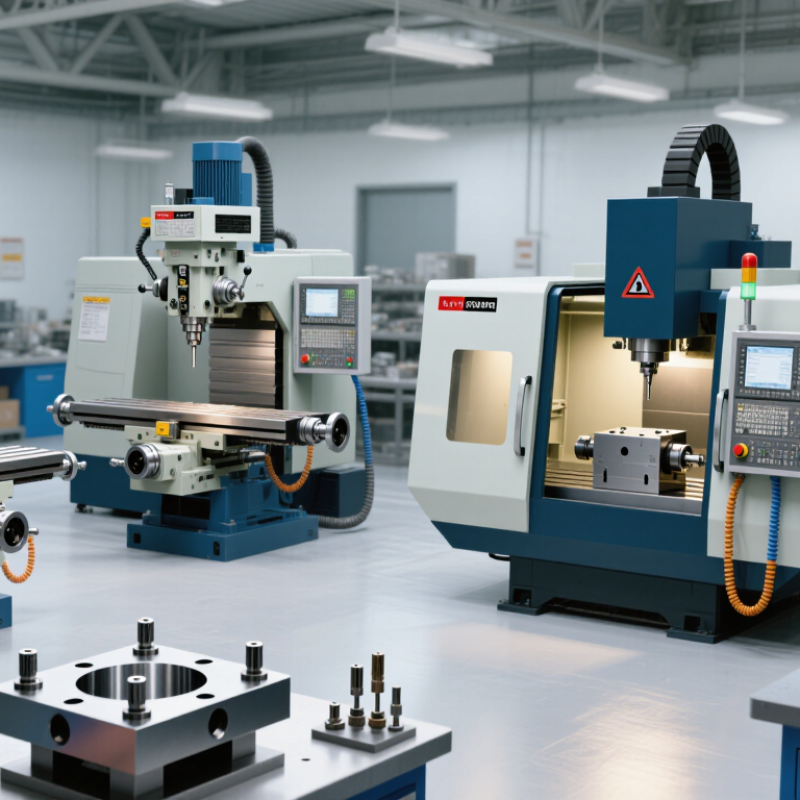
Milling machinery removes material with rotating cutters, shaping metal, plastic, or composite parts. A spindle turns the tool while the table moves the workpiece along programmed axes. Three-axis machines handle common plates and brackets. Five-axis models reach angled surfaces and reduce repeated clamping. Computer numerical control converts digital drawings into precise movements, feeds, and cutting depths.
The process sounds simple, but tool choice changes everything. A face mill creates flat surfaces. An end mill cuts slots, pockets, and shoulders. Coolant controls heat, while rigid fixturing limits vibration and chatter. The International Federation of Robotics recorded 541,302 industrial robot installations worldwide in 2023. This figure shows why automation now affects milling-cell design, inspection, and material handling. Deloitte’s 2024 Smart Manufacturing Survey found that 86% of manufacturers expect smart manufacturing to remain a major competitiveness factor within five years. Yet automation does not fix weak process planning. I have seen accurate machines produce poor parts after incorrect tool offsets.
Tips: Match machine travel to your largest expected part, not today’s smallest job. Check spindle speed, torque, axis accuracy, chip evacuation, and service access. Ask for cutting trials using your real material and tolerances. Measure cycle time, scrap risk, and operator effort together. The fastest quote may become expensive after installation. Also, buyer assumptions can be wrong. A five-axis machine is not automatically better for every workshop.
Major Milling Machinery Types and Their Industrial Uses
2026 Best Milling Machinery Types for Global Buyers?
Major Milling Machinery Types and Their Industrial Uses
Milling machinery differs by axis count, spindle position, and production duty. Vertical milling machines suit brackets, plates, molds, and repair work. Horizontal mills handle deep slots and heavy material removal. Five-axis machining centers produce complex aerospace, medical, and energy components with fewer setups. This reduces alignment errors. According to MarketsandMarkets’ 2024 CNC machine market report, the sector may grow from about USD 83.8 billion in 2024 to USD 115 billion by 2029. That growth reflects wider automation and tighter quality requirements.
Industrial use determines the best configuration. Three-axis machines remain practical for standard aluminum and steel parts. Four-axis equipment improves access to multiple faces. Five-axis systems support turbine blades, orthopedic parts, and complex dies. CNC turning-milling centers combine rotating tools with workpiece rotation. They save floor space, but programming becomes harder. That trade-off is often underestimated. The International Federation of Robotics reported 541,302 industrial robot installations in 2023, showing stronger factory automation demand, including automated milling cells.
Tips: Check spindle power, table size, tool capacity, and local service support before buying. Request sample cuts using your actual material. A cheaper machine can become expensive through downtime, training, and poor chip evacuation. Buyers should also verify electrical standards, safety certifications, and achievable tolerance. Do not trust brochure accuracy alone. Supplier claims need measurement.
Key Specifications Global Buyers Should Compare in 2026
2026 Best Milling Machinery Types for Global Buyers?
Global buyers should compare milling machines by application, not catalog size. Vertical machining centers suit general parts, molds, and compact production cells. Horizontal machines improve chip evacuation during deep side cutting. Five-axis mills reduce repositioning and can machine complex surfaces in fewer setups. A three-axis machine may still be the wiser choice for repeated flat components.
Check spindle speed, torque, taper type, table load, and working travels together. High speed helps aluminum, but heavy steel cutting needs stable torque. Measure positioning accuracy and repeatability under warm operating conditions. Cold test results can mislead. Ask for thermal compensation data and sample-cut records from comparable materials. Control response, tool-change time, coolant pressure, and chip removal also affect real output. A machine may look fast, yet lose hours during manual cleaning.
Installation details deserve equal attention. Confirm electrical voltage, phase requirements, floor loading, ambient temperature, and compressed-air quality before ordering. Verify local training, remote diagnostics, spare-part availability, and service response times. Safety guarding should support the intended process and comply with applicable regional requirements. I would not choose automation without checking operator skill and maintenance habits. That assumption often fails. Energy consumption per finished part can reveal more than motor power alone. Leave room for future tooling, larger fixtures, and honest production growth.
Automation, Energy Efficiency, and Smart Milling Technologies
2026 Best Milling Machinery Types for Global Buyers
Automation is reshaping roller, hammer, pin, and stone milling systems. Modern controls adjust feed rates, grinding pressure, and airflow in real time. Operators can monitor motor load from a touchscreen or remote dashboard. This reduces guesswork during busy production periods. Still, automation does not replace skilled inspection. Dust buildup can distort sensors and trigger poor adjustments.
Energy efficiency now depends on the complete milling line. High-efficiency motors help, but process design matters more. Variable-speed drives can match power use with changing material loads. Improved classifiers may reduce unnecessary recirculation and heat. Buyers should request measured energy data per tonne, not vague efficiency claims. A short test run often reveals more than a polished brochure.
Smart milling technologies also support predictive maintenance. Vibration sensors can detect bearing wear before unusual noise becomes serious. Temperature alerts may prevent costly stoppages. Data logging helps compare batches across different climates and power systems. Global buyers should check voltage compatibility, network security, spare-part access, and local technician training. These details are easy to overlook. No machine is perfectly smart. A reliable manual backup still matters when connectivity fails or a sensor gives false information.
How to Select, Source, and Evaluate Milling Equipment Globally
Global buyers should define the process before comparing milling machinery. Choose bed, knee, gantry, or five-axis designs by material, envelope, tolerance, and batch size. A small job shop may need rigidity more than headline spindle speed. Aluminum may benefit from higher rpm. Hardened steel often requires torque and thermal stability. Confirm table capacity with the actual fixture, not a brochure photograph. Fortune Business Insights estimated the CNC machine market at about US$83 billion in 2023, showing strong demand but also intense supplier competition.
Source equipment through documented specifications and independent verification. Request cutting trials using your material, drawings, tools, and target tolerances. Review spindle runout, positioning accuracy, repeatability, power requirements, software compatibility, and operator training. ISO 230-2 provides a useful framework for checking positioning performance. The World Bank’s 2023 Logistics Performance Index covered 139 economies, highlighting customs, shipment reliability, and infrastructure as practical sourcing risks. Ask for packed dimensions, lifting points, insurance terms, spare-part lead times, and local service coverage.
Evaluate total cost over five years. Include tooling, coolant systems, electricity, calibration, downtime, and technician travel. A cheaper machine can become expensive after one failed installation. I would also inspect the factory acceptance report, although paperwork can hide weak test conditions. The checklist is not perfect. Require video evidence, signed records, and a repeat test before payment milestones. That discipline reduces surprises across borders.
2026 Best Milling Machinery Types for Global Buyers
Representative spindle-speed benchmarks for comparing common milling machine types. Actual specifications vary by machine size, tooling system, material, and supplier configuration.
How to use this chart: Higher spindle speed can support smaller tools and faster machining of aluminum and other non-ferrous materials, while lower-speed, high-torque designs are often preferred for large workpieces and difficult-to-cut metals. Confirm spindle power, torque, axis travel, table load, accuracy, electrical standards, and after-sales support before sourcing globally.